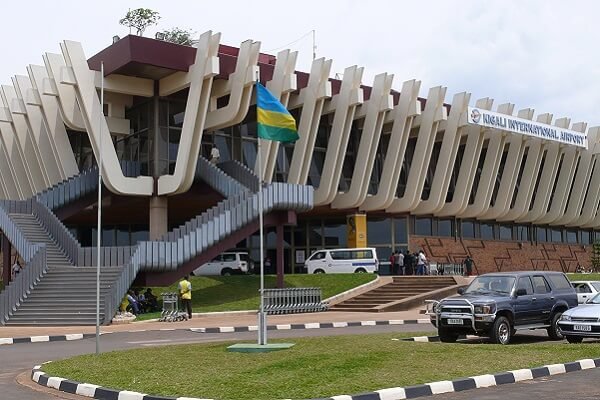
Kigali airport arrival is, for most travellers, the first twenty minutes of a Rwanda trip — and getting it right matters more than it might seem. Rwanda’s international airport is the main entry point for anyone trekking mountain gorillas in Volcanoes National Park, visiting Akagera, or beginning a Rwanda safari. The arrivals process is generally straightforward by regional standards, but it depends on having arranged the right things before you fly, and on understanding how the airport connects to the rest of your itinerary.
This guide is honest about its limits. Airport procedures, fees, ground transport rates and visa-on-arrival eligibility change, and much of what you might want to know is specific to your nationality and your airline. What this guide does is set out the process clearly, flag what needs confirming, and explain how arrival connects to the trip you have actually come for. For the city itself, see the site’s guide to things to do in Kigali.
The Basics: Kigali Airport Arrival
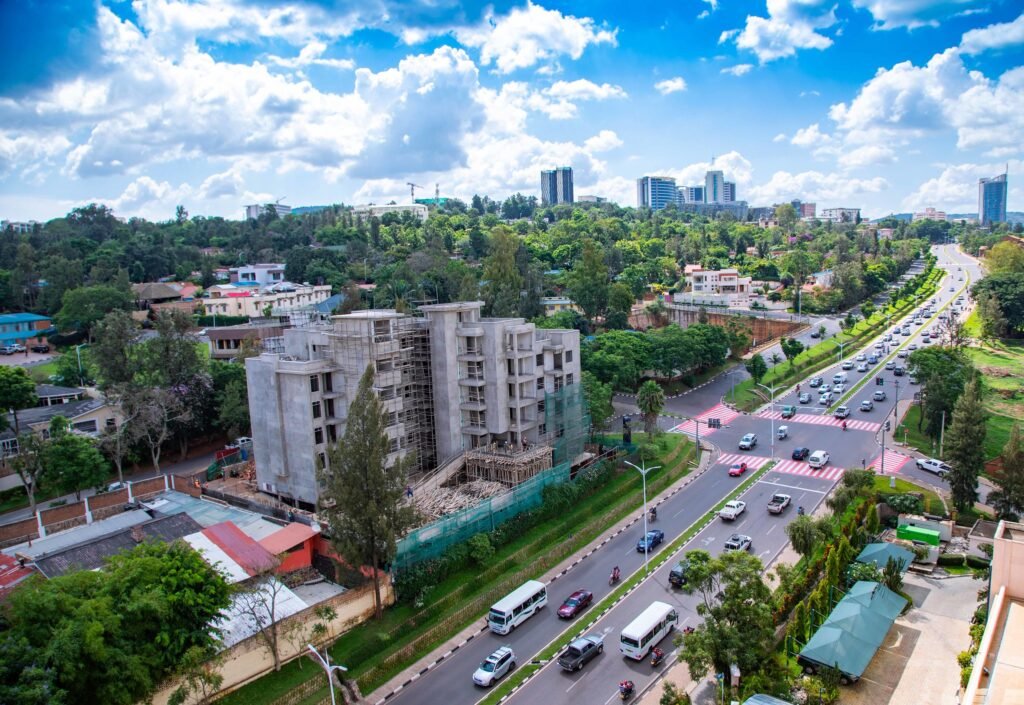
Rwanda’s main international gateway is Kigali International Airport (airport code KGL), located in the Kanombe area on the eastern edge of Kigali. It is the country’s only international airport, handling the majority of incoming international flights and connecting Rwanda to East Africa, Europe, the Middle East and other African destinations.
Two practical implications follow from that. First, unless you are entering Rwanda overland from Uganda or Tanzania, you will arrive at KGL. Second, most flights into Kigali land either in the evening or after an overnight, which affects how you plan the first night of your trip.
The airport is compact by international standards, and the arrivals process — immigration, baggage, customs — is typically completed in a manageable amount of time. That does not mean it is instant, particularly if a long-haul flight lands simultaneously with others. The honest planning advice is to allow for the process rather than assuming a specific number of minutes, and to build onward arrangements around a realistic window rather than a tight one.
Entry Requirements: What to Confirm Before You Fly
Rwanda’s visa arrangements are the single most important thing to sort before arrival, and they are also where the most up-to-date information matters most.
Rwanda e-visa: $50 for single entry or $70 for multiple entry, applied for at irembo.gov.rw. This is the standard route for visitors and should be arranged before travel, not left to arrival. The e-visa covers entry for the period specified, and travellers should carry a printed copy as well as a digital one.
Visa-on-arrival eligibility varies by nationality and changes periodically. Rwanda has historically offered visa-on-arrival to citizens of certain countries, but the specifics are set by the Rwandan immigration authority and cannot be assumed from a general guide. Do not assume eligibility for visa-on-arrival without confirming through the Rwandan immigration portal or your airline before travelling.
The East African Tourist Visa (EATV) at $100 covers Uganda, Kenya and Rwanda for 90 days of multi-entry travel. It does not cover Tanzania. For a Rwanda-only trip, the standard e-visa ($50) is cheaper. The EATV earns its place when combining multiple East African countries, when multi-entry is needed, or when the route crosses borders more than once. The site’s Uganda visa requirements guide covers the arithmetic in detail.
Two additional documents matter. Yellow fever certification requirements depend on where you are arriving from and current Rwandan regulations — confirm with a travel health professional or the Rwandan immigration portal before travel, as rules change. And the passport you travel on should have enough validity for entry; usual international norms apply, but confirm specific requirements before travel.
One clarification worth repeating because it circulates widely: the Uganda–Russia visa waiver announced in October 2026 covers diplomatic and service passports only. It does not apply to ordinary tourist passports and has not yet entered into force.
All visa fees and entry requirements should be confirmed before travel — rules change, and the figures above were last checked in November 2026.
The Arrival Process, Step by Step
The arrivals process at Kigali follows the standard international pattern: disembarkation, immigration, baggage reclaim, customs, arrivals hall. What follows is the general framework, not a minute-by-minute account, because the specifics depend on your flight and the day.
Before landing: complete any arrival card or health declaration your airline distributes. Keep your passport, visa (printed copy recommended), and yellow fever certificate where you can reach them easily.
Immigration: queue for the appropriate line (visa holders, or visa-on-arrival if eligible). Present your passport, visa, and any health documentation requested. The process is normally straightforward, but do not expect it to be instant.
Baggage reclaim: standard international baggage reclaim. Kigali is a smaller airport than most long-haul hubs, which means reclaim is often quick, but this depends on the flight and the day.
Customs: standard customs declaration. Rwanda has a strict plastic bag policy, and enforcement happens at points of entry — do not pack plastic bags. Rwanda’s specific customs regulations should be checked before travel if you are carrying anything that might be restricted.
Arrivals hall: this is where you meet your transfer, arrange ground transport, or find the airport’s other services. Once you have exited into the arrivals hall, the main decisions are about transport and connectivity — covered below.
If something does not go as expected — a delayed visa check, a lost bag, a customs query — the airport’s information desk and your airline’s representative are the first points of contact. Having your operator’s contact details accessible is also worth doing, since a licensed operator can assist with transfers or arrange adjustments.
Getting Into Kigali and Onward
Kigali International Airport sits on the eastern side of the city, and the transfer into central Kigali is typically a short drive rather than a major journey. The specific drive time depends on traffic and the time of day.
Three transport options exist, and each suits different travellers.
Pre-arranged transfer through your operator or lodge. This is the standard approach for safari travellers. The driver meets you in the arrivals hall, and the transfer is included in the trip package or arranged in advance. It removes the first decision of the trip and is the most reliable option for travellers arriving after a long flight.
Airport taxi. Available outside the arrivals hall. Fares should be negotiated or agreed before entering the vehicle, and confirming the rate with your accommodation or operator in advance is useful for context. Confirm current rates on arrival rather than assuming.
Ride-hailing apps. Kigali has ride-hailing available, though coverage at the airport itself varies. If you intend to use one, confirm it works at arrivals before depending on it as your only option.
The choice between these is largely about reliability. For travellers arriving to begin a safari, a pre-arranged transfer is the standard and the sensible default. For independent travellers staying in the city, a taxi or ride-hailing app is fine, provided the fare is agreed in advance.
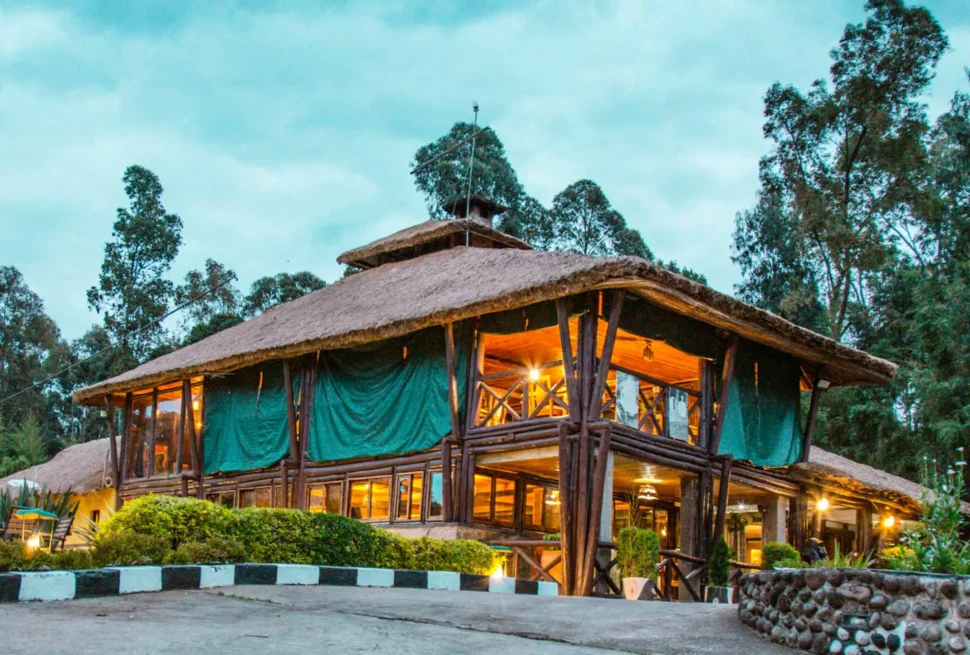
The Rwanda gorilla trekking accommodation guide covers where to base yourself near the gorilla parks if you are heading directly to Volcanoes National Park rather than staying in Kigali. The where to stay in Kigali guide covers city accommodation.
Connecting to Your Safari: What to Arrange Before You Fly
This is where the arrival guide becomes specifically useful for safari travellers, because the choices you make on landing shape the first day of the trip.
Gorilla permits must already be secured. Rwanda’s gorilla permit is from $1,500 per person and carries no low-season discount. Permits are date-specific and capped at eight visitors per gorilla family, and availability is not guaranteed at short notice. If your Rwanda trip includes a gorilla trek, the permit date should have been secured months before you arrive at the airport — not something to arrange on landing. The permit booking guide explains why the permit date anchors the trip.
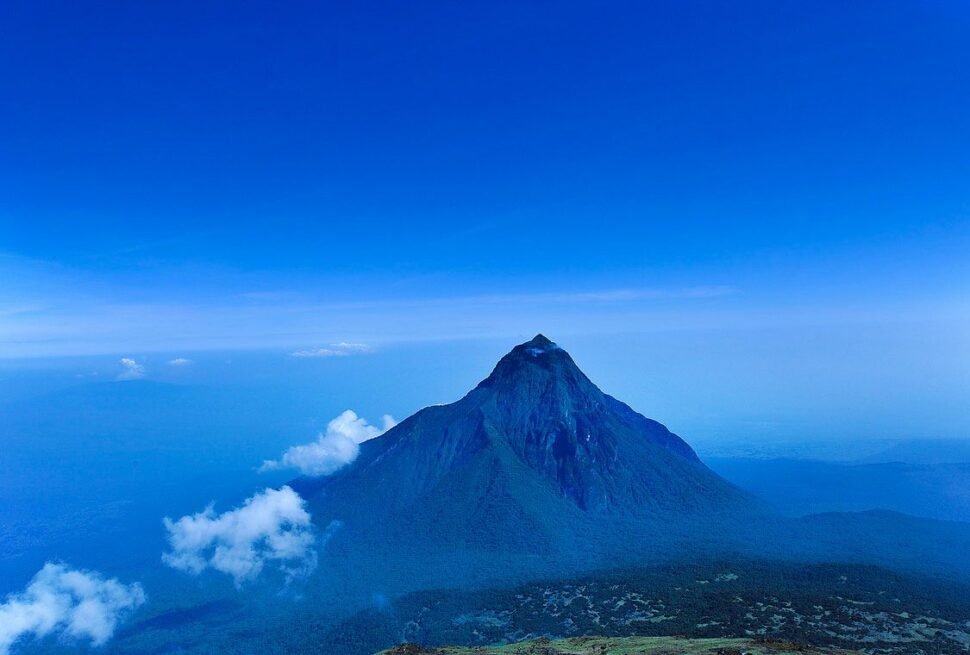
The transfer to Volcanoes National Park is a real drive. Kigali to Volcanoes National Park is a substantial transfer, not a short hop. Most itineraries either overnight in Kigali the night of arrival and transfer the next day, or transfer directly toward the park on arrival. The first option is more comfortable after a long flight; the second saves a day but requires the flight to land early enough. Confirm the current transfer arrangements with your operator.
Akagera is in the opposite direction. If your itinerary includes Akagera National Park in the east of the country, the transfer is different from the Volcanoes route. A combined Rwanda itinerary needs both legs arranged so that the arrival order makes sense.
Build in a night on arrival for any early trekking morning. Gorilla trekking briefings happen before dawn. An overnight in Kigali or near the park before the trek is not wasted time — it is what makes the trekking morning manageable. Trying to arrive internationally, transfer to the park, and trek the next morning is possible but produces a very long first two days.
For a fuller picture of how arrival connects to the wider trip, the how many days in Uganda guide and how many days for an East Africa safari guide both work through trip length, which is closely related to how much time is needed between arrival and the first trek.
Connectivity and Money
Two practical considerations after arrival are often overlooked.
SIM cards and mobile data. Local SIM cards are available in Rwanda, but whether they are available at the airport itself, what the current process is, and what they cost should be confirmed on arrival rather than assumed. International roaming, a local eSIM, or waiting until you reach your accommodation are all viable alternatives.
Currency and cards. Rwandan francs are the local currency, and while major hotels and lodges accept cards, smaller establishments and market traders usually do not. ATMs are available in Kigali but not necessarily at the airport or in the parks. The safest planning advice is to confirm with your accommodation what payment methods they accept, and to carry a modest amount of local currency for incidentals. Specific exchange rates and card acceptance should be checked at the time — this is not something a general article can answer.
What It Costs
The costs of arrival are smaller than the trip itself, but they are worth budgeting for. The table separates verified costs from those that must be confirmed.
| Element | Where | Price (per person) |
|---|---|---|
| Rwanda e-visa | Applied for at irembo.gov.rw before travel | $50 single entry / $70 multiple entry |
| East African Tourist Visa | Covers Uganda + Kenya + Rwanda; not Tanzania | $100 (90 days, multi-entry) |
| Gorilla trekking permit — Rwanda | Volcanoes National Park | From $1,500 (no low-season discount) |
| Gorilla trekking permit — Uganda (for comparison) | Bwindi Impenetrable NP and Mgahinga Gorilla NP | From $800 (From $600 in April, May and November) |
| Airport transfer to Kigali | Pre-arranged, taxi or ride-hailing | Confirm current rate when booking |
| Kigali accommodation | City hotels and guesthouses | Confirm current rates when booking |
| Transfer to Volcanoes National Park | Arranged through operator or lodge | Confirm current rate when booking |
The permit and visa figures are verified. The airport transfer, accommodation and park transfer are not, and should be confirmed at the time of booking — these vary by operator, season and vehicle type.
Permit prices and visa fees are set by the Rwanda Development Board and Rwandan immigration authorities, and are revised periodically — verify current rates before travel. Official sources are the Rwanda Development Board and the immigration portal at irembo.gov.rw.
Frequently Asked Questions
Do you need a visa on arrival in Rwanda?
Most visitors need a visa, and the standard route is the e-visa ($50 single entry / $70 multiple entry) applied for at irembo.gov.rw before travel. Visa-on-arrival eligibility varies by nationality and changes — confirm current rules through the Rwandan immigration portal before travelling rather than assuming.
How far is Kigali airport from the city centre?
The airport is on the eastern edge of Kigali, and the transfer into central Kigali is typically a short drive. The specific drive time depends on traffic and time of day. A pre-arranged transfer is the standard option for safari travellers.
How far is Kigali airport from Volcanoes National Park?
It is a substantial transfer rather than a short hop. The site’s dedicated guide to Kigali-to-Volcanoes distance covers the routing. Most itineraries overnight in Kigali or near the park before trekking, rather than transferring and trekking in one sequence.
Can I arrange a gorilla permit on arrival?
No — gorilla permits are date-specific, capped at eight visitors per gorilla family, and availability is not guaranteed at short notice. Permits should be secured months before travel. The permit booking guide explains why the permit date anchors the trip.
Is Kigali airport efficient?
Kigali International Airport is compact and the arrivals process is typically manageable, but specific processing times vary by flight and day. Build onward arrangements around a realistic window rather than a tight connection.
Is there anything I should not bring into Rwanda?
Rwanda has a strict plastic bag policy, and enforcement happens at points of entry — do not pack plastic bags. Other customs restrictions should be checked before travel through official Rwandan customs channels.
Should I carry cash or cards in Rwanda?
Major hotels and lodges accept cards, but smaller establishments, market traders and some remote areas usually do not. Carry a modest amount of local currency for incidentals and confirm payment methods with your accommodation in advance. ATMs are available in Kigali but not necessarily at the airport or in the parks.
Is a transfer included in a Rwanda safari package?
This depends entirely on the operator and the itinerary. Transfer arrangements should be confirmed in writing before travel, and any inclusions specified precisely. Confirm at the time of booking rather than assuming.
How to Book
The most useful thing to sort before travel is not the airport itself but what comes next — the visa, the permit date, and the transfer arrangement. Secure the gorilla permit before anything else, since it anchors the trip. Then arrange accommodation and transfers, and finally flights. Afraeka Adventures is a licensed Ugandan operator based in Entebbe and Kampala, running safaris and primate trekking in Uganda, Rwanda, Kenya and Tanzania since 2018.
Contact Afraeka Adventures at info@afraekaadventures.com or use the enquiry form on our website with your dates, group size and arrival information so that transfers can be arranged around your actual flight. Useful starting points:
- Rwanda safaris — the wider picture
- Rwanda gorilla trekking — the main trekking product
- Rwanda gorilla trekking permit booking — securing the permit date
- Rwanda gorilla trekking accommodation — where to base yourself near the parks
- Things to do in Kigali — the city itself
- Where to stay in Kigali — city accommodation
- Uganda visa requirements — the EATV arithmetic
- All tour packages
- Enquiry form