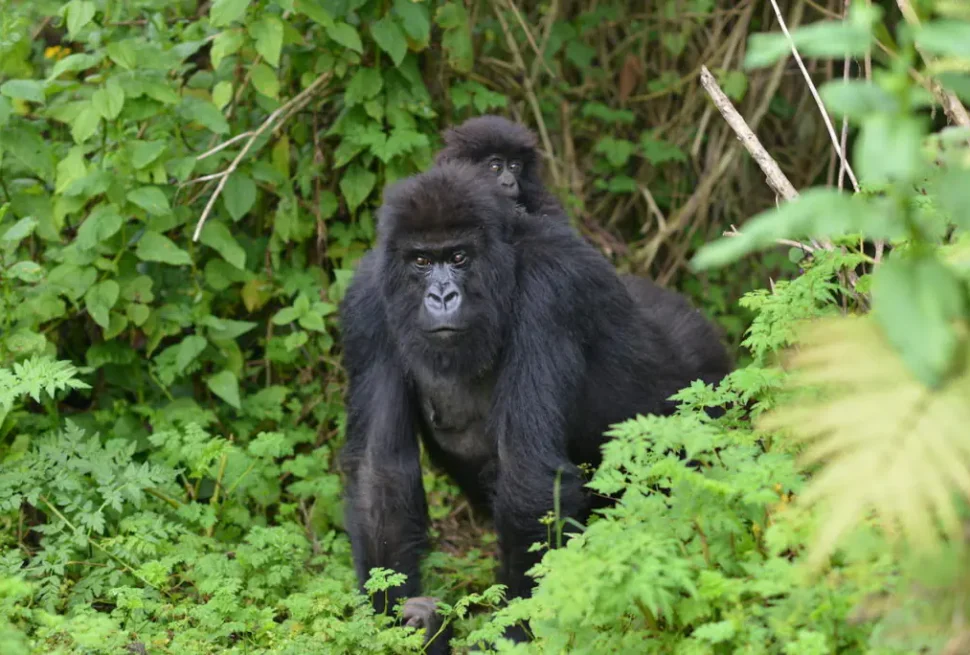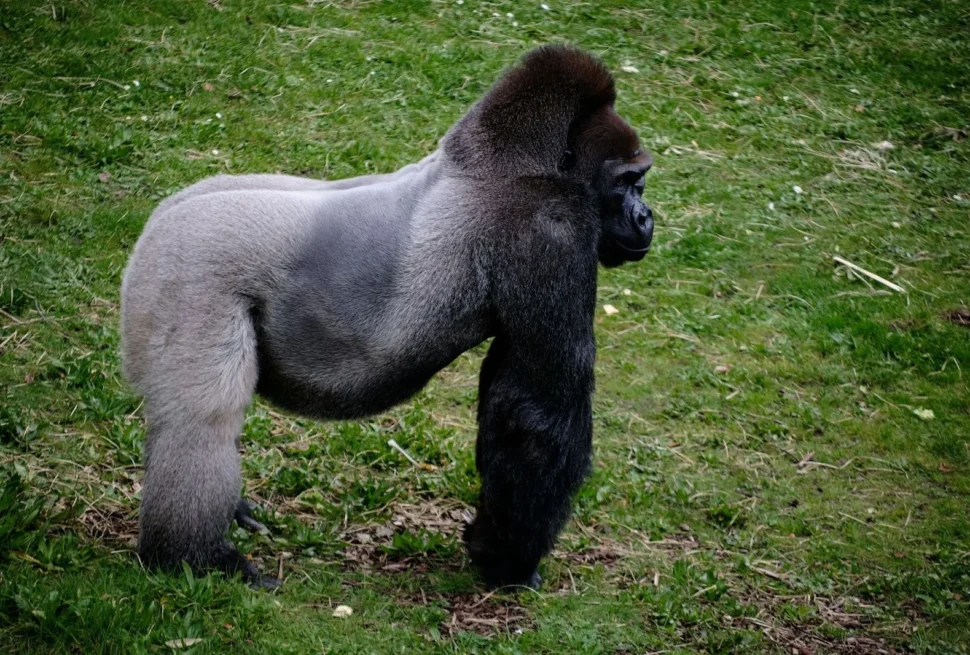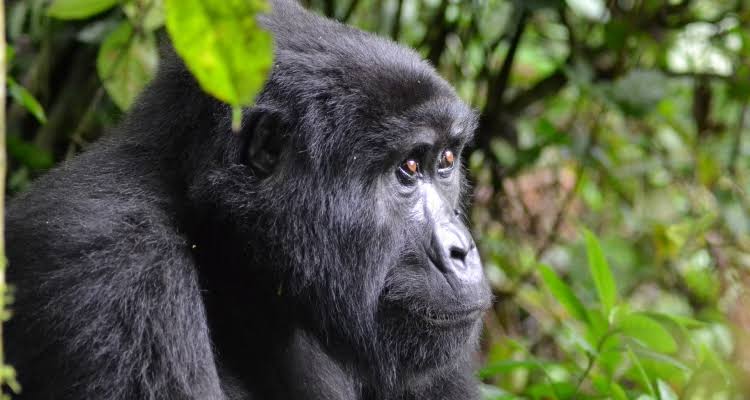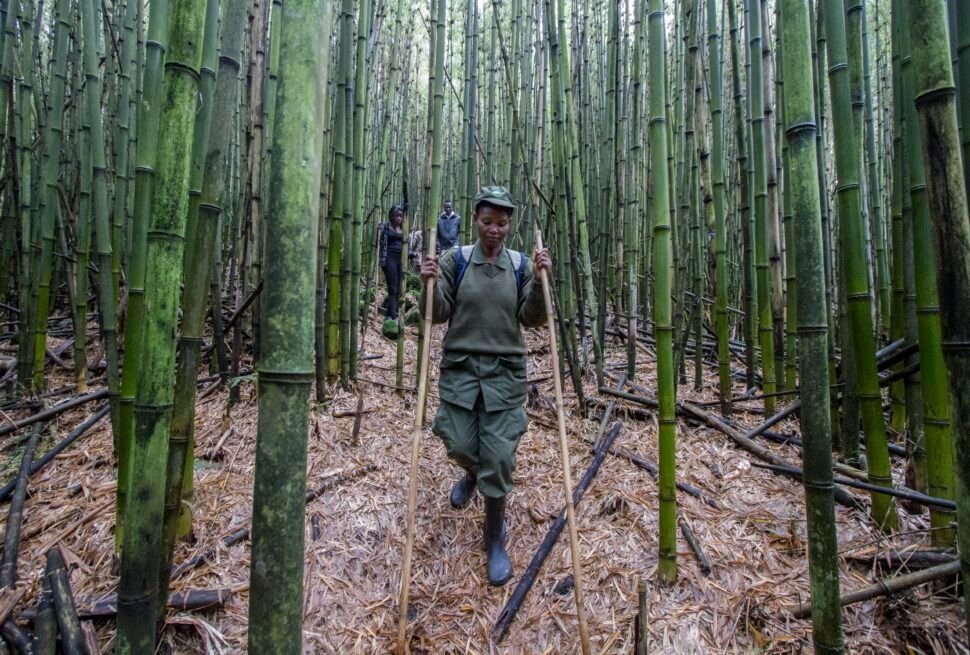
Where does gorilla permit money go? A large share of it goes to the parks themselves — rangers, trackers, infrastructure and protection — and a defined portion is channelled to the communities that live with the consequences of bordering a national park. The mechanism is called revenue sharing, it works differently in Uganda and Rwanda, and it is one of the more interesting parts of how gorilla tourism is structured.
This article sets out both systems: what is shared, how much, who receives it and what it pays for. It also sets out the criticism, because revenue sharing is not a perfect system and the honest version of the story includes the parts that do not work as well as they should.
The Uganda gorilla trekking guide covers the permit and the trek itself. This article is about what happens to the money after the permit is paid.
The Short Answer: Parks First, Communities Second
A gorilla permit is a payment to a national park authority, not a donation and not a fee paid to a tour operator. In Uganda, the permit is issued by the Uganda Wildlife Authority. In Rwanda, it is issued through the Rwanda Development Board.
The bulk of the money funds the park system: ranger and tracker salaries, patrols, veterinary support, infrastructure and the general cost of protecting a forest and its wildlife. A defined slice is then shared with communities, and the two countries define that slice differently.
In Uganda, the mechanism is 20% of annual park revenue, plus a separate $10 gorilla levy on every gorilla permit sold at Bwindi. In Rwanda, the mechanism is 10% of national park tourism revenue, applied across the park system and including gorilla permit income.
Those two figures — 20% plus $10 in Uganda, 10% in Rwanda — are the core of the answer. The rest of this article explains what they mean in practice.
Uganda: 20% of Park Revenue Plus a $10 Gorilla Levy
Uganda’s revenue sharing scheme has two components, and they are worth separating because they are often conflated.
The 20% park revenue share
The Uganda Wildlife Authority shares 20% of its annual park revenue with the people surrounding national parks and wildlife reserves. The policy was piloted between 1995 and 1998 and formalised from 2000, and it is recognised in Ugandan wildlife legislation. It applies across the protected area system, not only to the gorilla parks.
This is the broader of the two mechanisms. It is funded from park revenue generally — entry fees and other park income — and it is distributed to districts adjacent to protected areas.
The $10 gorilla levy
On top of the 20% share, communities around Bwindi Impenetrable National Park receive $10 from every gorilla trekking permit sold. The levy was increased from $5 to $10 effective 1 July 2015, and it is the gorilla-specific component of the scheme.
The levy is generated only from the parks where gorilla tracking takes place — Bwindi Impenetrable and Mgahinga Gorilla National Parks. It is a fixed dollar amount per permit, not a percentage, which means it scales directly with trekking numbers.
How the money is distributed
The distribution runs through local government rather than directly to households. Revenue sharing funds are sent by the Uganda Wildlife Authority to the districts, which retain 5% to cover administration costs and pass the remaining 95% to sub-counties for agreed projects. Only villages that share a boundary with the park are included, on the reasoning that they bear more of the costs of conservation — crop damage, restricted access and human-wildlife conflict — than villages further away.
What it pays for
The funds are spent on projects that meet one of two criteria: they must reduce human-wildlife conflict, or they must improve the livelihoods of households in frontline villages.
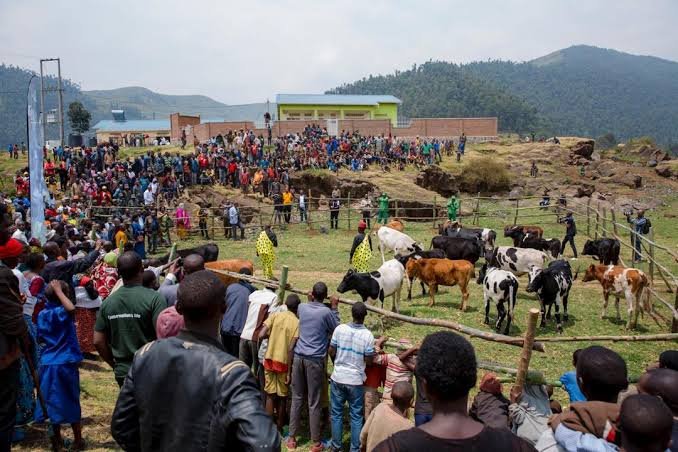
At household level, funded projects have included goat rearing, piggeries, tree planting, beekeeping and Irish potato growing. At community level, funding has gone to schools, health centres, feeder roads, water tanks and measures to reduce crop damage, such as planting Mauritius thorn hedges.
A worked example
The scale is visible in the disbursements. In June 2025, the Uganda Wildlife Authority disbursed UGX 2,197,559,618 to communities around the Bwindi-Mgahinga Conservation Area, drawn from park entry fees and the gorilla permit levy. The allocation was split across Kanungu, Kisoro and Rubanda districts and was directed to schools, health facilities, water systems and alternative livelihoods identified through local consultation.
The Uganda Wildlife Authority revenue sharing page and the authority’s news releases carry the current figures and project lists.
Rwanda: 10% of National Park Tourism Revenue
Rwanda’s mechanism is simpler in structure and broader in scope. The Rwanda Development Board allocates 10% of national park tourism revenue to communities living near protected areas. That 10% applies across the national park system, and it includes gorilla permit income from Volcanoes National Park.
The programme has been running for around two decades and has funded a large number of community projects. The Rwanda Development Board has reported that the scheme has supported nearly 1,300 projects with more than RWF 23 billion, directed at education, healthcare, water access and livelihoods.
The allocations are made to districts rather than to individual households. For the districts neighbouring Volcanoes National Park, the annual allocation runs to roughly RWF 1.98 billion, divided between Musanze, Nyabihu, Burera and Rubavu. The district-level split is published, which makes the flow of money more visible than in some systems.
The 10% is also linked to Rwanda’s wider conservation planning. The Volcanoes Community Resilience Project, for example, combines revenue sharing with park expansion — around 3,740 hectares of expansion and 6,620 hectares of buffer zones — and with a relocation and housing programme for households in the expansion area. Revenue sharing is one part of a larger package rather than the whole of it.
Side by Side: Uganda and Rwanda Compared
| Element | Uganda | Rwanda |
|---|---|---|
| Main mechanism | 20% of annual park revenue | 10% of national park tourism revenue |
| Gorilla-specific mechanism | $10 levy per gorilla permit sold at Bwindi and Mgahinga | No separate gorilla levy — gorilla permit income sits within the 10% |
| Gorilla permit price (per person) | From $800 (From $600 in April, May and November) | $1,500 — no low season discount |
| Distribution route | UWA → districts (5% admin) → sub-counties → projects | RDB → districts → projects |
| Eligibility | Villages sharing a boundary with the park | Communities living near protected areas |
| Typical projects | Schools, health centres, water, livestock, crop-damage mitigation | Schools, health centres, water, livelihoods, housing and resettlement linked to park expansion |
Two differences stand out. Uganda has a dedicated per-permit gorilla levy; Rwanda folds gorilla income into a general park revenue share. And Uganda’s eligibility rule is explicitly boundary-based, while Rwanda’s is framed around communities near protected areas more broadly.
Does It Work? The Honest Version
Revenue sharing is a genuine mechanism and it has delivered visible projects. It is also criticised, and the criticism is worth stating rather than smoothing over.
The main critiques are these. First, the amounts per household are modest relative to the costs of living next to a park, and the scheme has been described in academic assessments as not always sufficient to achieve both conservation and welfare objectives. Second, distribution has been criticised for governance problems in some periods, with funds not always reaching intended beneficiaries. Third, the poorest frontline households have not always been adequately engaged, which limits the scheme’s effect on the people most exposed to human-wildlife conflict.
These critiques are part of the record. They do not mean the mechanism is fake or that the projects are not real — the disbursement figures and project lists are published and verifiable. They mean revenue sharing is a developing system rather than a finished one, and that the gap between the policy and the household experience is the thing to watch.
For a traveller, the practical implication is modest but real: the community component of a permit is a genuine share of the fee, it is publicly reported, and it is one reason the permit costs what it does.
What a Gorilla Trekking Trip Costs
Verified costs are set out below. The permit and visa figures are fixed and confirmed; other elements vary by operator, lodge and itinerary and should be confirmed at the time of booking.
| Element | Where | Price (per person) |
|---|---|---|
| Uganda gorilla permit | Bwindi Impenetrable NP and Mgahinga Gorilla NP | From $800 (From $600 in April, May and November) |
| Rwanda gorilla permit | Volcanoes National Park — no low season discount | $1,500 |
| Uganda gorilla habituation experience | Rushaga sector, Bwindi only — 4 hours | From $1,500 |
| Uganda e-visa | Applied for at visas.immigration.go.ug before travel | $50 |
| Rwanda e-visa — single entry | Applied for at irembo.gov.rw before travel | $50 |
| East African Tourist Visa | Uganda + Kenya + Rwanda, 90 days multi-entry; does not cover Tanzania | $100 |
| Porter fee | Set locally at the trailhead or park headquarters | Confirm current rate when booking |
| Accommodation near the trailhead | Bwindi, Mgahinga, Kinigi and Musanze | Confirm current rate when booking |
| Chimpanzee trekking permit | Kibale Forest and other forests | Confirm current rate when booking |
Permit and park fees are set by the relevant authorities and revised periodically. Verify current rates before travel (verify current requirements before travel — rules change).
Frequently Asked Questions
Where does gorilla permit money go?
Most of it funds the park system — rangers, trackers, patrols, veterinary support and infrastructure. A defined share goes to communities through revenue sharing. In Uganda that is 20% of annual park revenue plus a $10 levy per gorilla permit at Bwindi and Mgahinga. In Rwanda it is 10% of national park tourism revenue.
How much of the gorilla permit goes to communities in Uganda?
Two components. Communities receive a share of the 20% of annual park revenue that UWA distributes, and around Bwindi they also receive $10 from every gorilla permit sold. The $10 levy was increased from $5 on 1 July 2015.
What is the Uganda gorilla levy?
It is a fixed $10 per gorilla permit sold at Bwindi Impenetrable and Mgahinga Gorilla National Parks, paid to communities around those parks. It is separate from the 20% park revenue share and is specific to the gorilla parks.
Does Rwanda share gorilla permit revenue with communities?
Yes. The Rwanda Development Board allocates 10% of national park tourism revenue to communities near protected areas, and gorilla permit income from Volcanoes National Park is part of that revenue. There is no separate gorilla levy as in Uganda.
Who benefits from gorilla tourism?
Several groups. The park authorities receive the permit revenue and use it to run and protect the parks. Communities near the parks receive revenue sharing funds for schools, health centres, water and livelihoods. Local people are also employed as guides, porters, trackers and park staff.
Is gorilla permit money used for conservation?
Yes. The larger part of permit revenue funds the park system and its protection work. Revenue sharing is the community-directed component, and it sits alongside the conservation spending rather than replacing it.
How are revenue sharing funds distributed?
In Uganda, UWA sends funds to districts, which retain 5% for administration and pass 95% to sub-counties for agreed projects. Only villages bordering the park are eligible. In Rwanda, the Rwanda Development Board allocates funds to districts neighbouring the parks.
Do local communities actually receive the money?
The disbursements and project lists are publicly reported, so the flow is verifiable. The scheme has also been criticised in academic assessments for governance problems and for not always reaching the poorest frontline households. Both things are true: the projects are real, and the system is still improving.
How to Book
The permit is the fixed, dated cost that funds the park and the community share, and it is the part of the booking that should be confirmed first. Afraeka Adventures is a licensed Ugandan operator based in Entebbe and Kampala, running safaris and primate trekking in Uganda, Rwanda, Kenya and Tanzania since 2018.
Contact Afraeka Adventures at info@afraekaadventures.com or use the enquiry form on our website with your dates, group size and whether you want to trek in Uganda, Rwanda or both. Useful starting points:
- Uganda gorilla trekking — permits, sectors and what the trek involves
- Bwindi gorilla trekking — sectors, trailheads and the forest
- Rwanda gorilla trekking — Volcanoes National Park and the Rwanda permit
- Uganda safari packages — itineraries that include a trek
- Rwanda safaris — itineraries across the country
- Uganda and Rwanda tours — combined itineraries
- East Africa multi-country safaris
- All tour packages
- Enquiry form