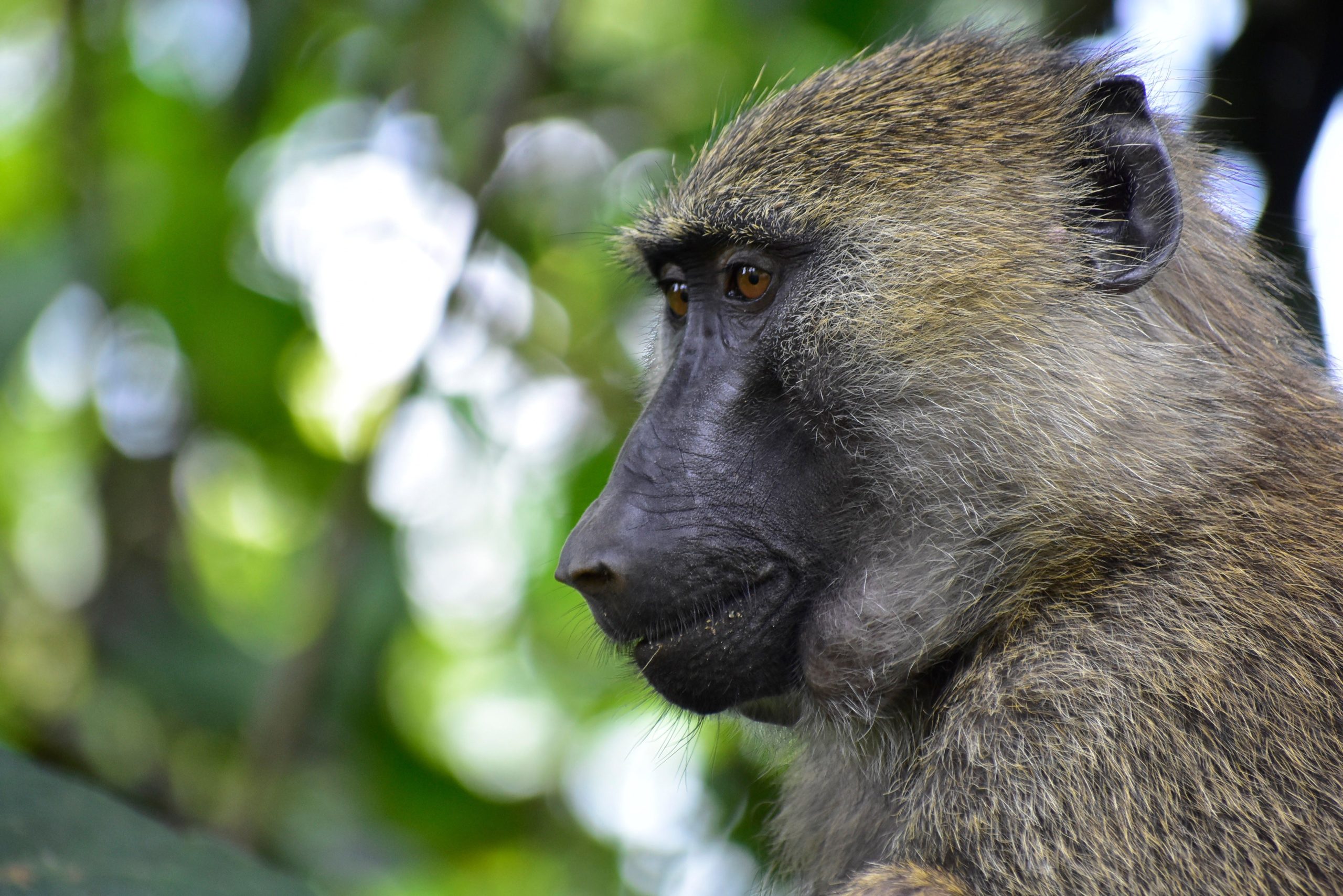
A Rwanda national parks safari itinerary takes you through three distinct ecosystems, each with its own wildlife, landscapes, and experiences. Despite being one of Africa’s smallest countries, Rwanda offers remarkable biodiversity—from the misty volcanic forests of Volcanoes National Park to the ancient rainforest of Nyungwe and the savannah plains of Akagera. This guide outlines a comprehensive 10-day journey through all three parks, with practical tips, wildlife highlights, and everything you need to plan your adventure.
Rwanda’s national parks are managed through partnerships between the Rwanda Development Board and organisations like African Parks. This collaborative approach ensures that tourism directly supports conservation and local communities, making your safari a force for good.
Overview of Rwanda’s National Parks
Rwanda has three main national parks, each offering a unique safari experience:
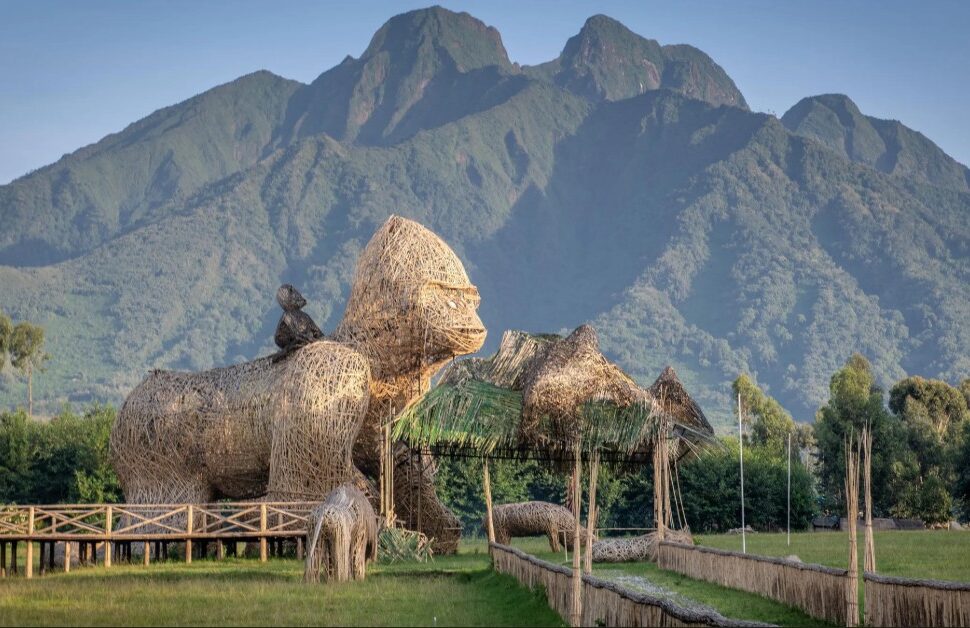
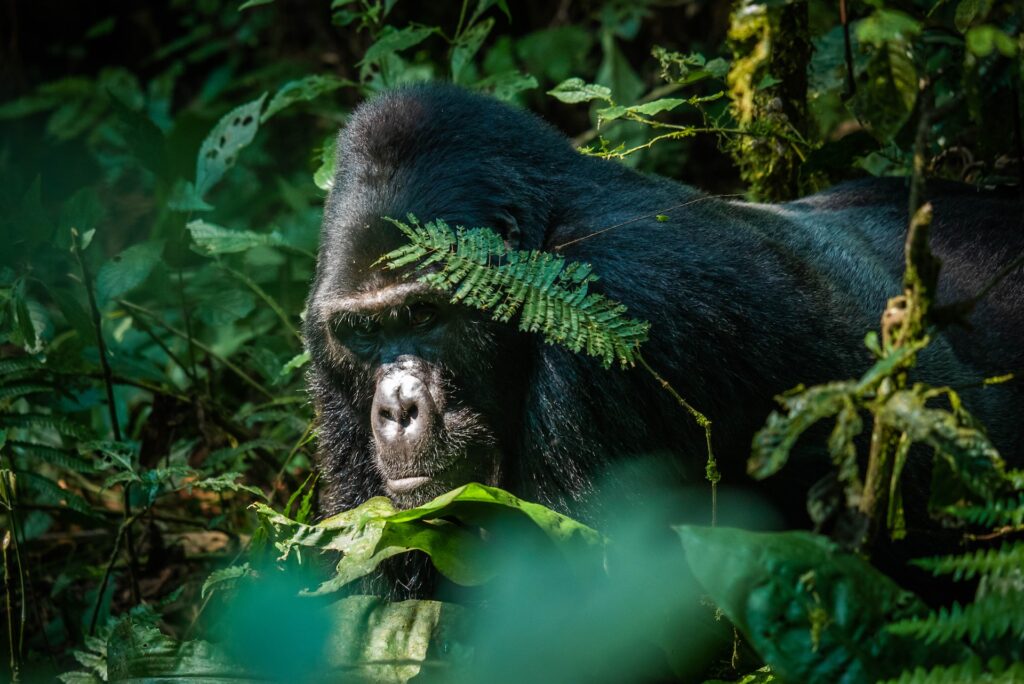
- Volcanoes National Park: Located in the northwest, this park is part of the Virunga Massif and is famous for mountain gorilla trekking. It also offers golden monkey trekking, the Dian Fossey hike, and cultural experiences.
- Nyungwe Forest National Park: Located in the southwest, Nyungwe is one of Africa’s oldest rainforests. It’s home to chimpanzees, colobus monkeys, and over 300 bird species, plus the famous canopy walkway.
- Akagera National Park: Located in the east along the Tanzanian border, Akagera is a savannah park with the Big Five, boat safaris on Lake Ihema, and excellent birdwatching.
The parks are well-connected by road, and a 10-day itinerary allows you to experience all three without feeling rushed. If you have less time, you can focus on one or two parks. For a shorter option, see our 7-Day Uganda-Rwanda Primates Safari.
When to Visit Rwanda’s National Parks
Rwanda is a year-round destination, but each season offers a different experience:
- June to September (Long Dry Season): The best time for gorilla trekking and game viewing. Trails are drier, and wildlife is easier to spot. This is peak season, so book early.
- December to February (Short Dry Season): Good conditions for trekking and game drives, with fewer crowds than June–September.
- March to May (Long Rainy Season): Lush scenery, fewer tourists, and lower lodge rates. Trekking can be muddy and challenging, but the parks are beautifully green.
- October to November (Short Rainy Season): Similar to March–May but shorter. A good time for birdwatching as migratory species arrive.
For the best overall experience, aim for the dry seasons. However, even in the wet season, you’ll still see plenty of wildlife—you’ll just need waterproof gear and a spirit of adventure.
10-Day Rwanda National Parks Safari Itinerary
Day 1: Arrival in Kigali
Your safari begins in Kigali, Rwanda’s capital and one of Africa’s cleanest, safest cities. On arrival at Kigali International Airport, you’ll be met by your driver-guide and transferred to your hotel. Depending on your arrival time, you may have the opportunity to explore the city.
We recommend visiting the Kigali Genocide Memorial, a UNESCO World Heritage Site that provides essential context for Rwanda’s history and remarkable recovery. The memorial is a place of reflection and education, and it’s an experience that stays with many visitors long after their safari ends.
In the evening, enjoy a welcome dinner at one of Kigali’s excellent restaurants. The city has a growing culinary scene, with options ranging from traditional Rwandan dishes to international cuisine.
Accommodation: Kigali offers a range of hotels, from boutique guesthouses to five-star properties like The Retreat by Heaven and Kigali Serena Hotel.
Day 2: Kigali to Volcanoes National Park
After breakfast, you’ll drive northwest to Volcanoes National Park. The journey takes about two to three hours and offers beautiful views of Rwanda’s rolling hills and terraced farmland. You’ll arrive at your lodge in time for lunch.
In the afternoon, you can visit the Dian Fossey Gorilla Fund’s Ellen DeGeneres Campus—a state-of-the-art conservation and research facility that tells the story of gorilla conservation in Rwanda. Alternatively, take a guided walk to a local community to learn about traditional Rwandan life, or simply relax at your lodge and prepare for the next day’s trek.
Accommodation: Lodges near Volcanoes National Park range from comfortable mid-range options to ultra-luxury properties like Bisate Lodge and One&Only Gorilla’s Nest.
Day 3: Gorilla Trekking in Volcanoes National Park
Today is the highlight of your Rwanda safari: gorilla trekking. After an early breakfast, you’ll drive to the park headquarters for a briefing by park officials. You’ll be assigned to a gorilla family based on your fitness level and preferences.
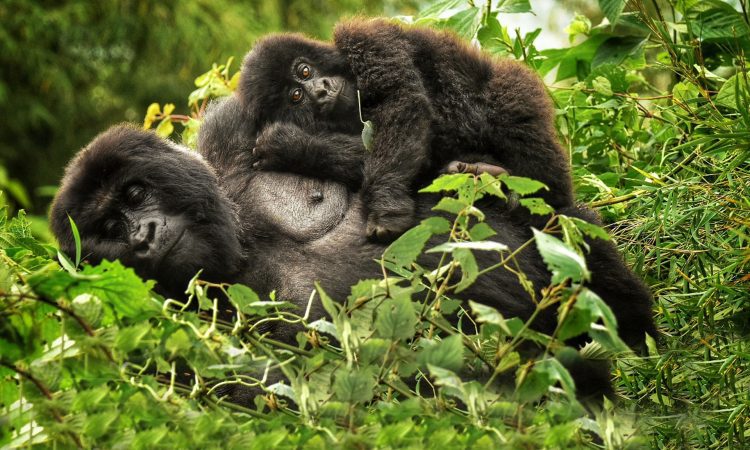
The trek can take anywhere from 30 minutes to several hours, depending on where the gorillas are located. You’ll hike through bamboo forests and volcanic slopes, accompanied by experienced trackers. When you finally reach the gorillas, you’ll spend one unforgettable hour observing them in their natural habitat. Watching a silverback protect his family, seeing infants play, and observing the complex social dynamics is an experience that stays with you forever.
After the trek, return to your lodge for a celebratory lunch and an afternoon at leisure. Many lodges offer complimentary massages for returning trekkers—a welcome treat after a long hike.
Accommodation: Same as Day 2.
Day 4: Golden Monkeys and Cultural Experience
This morning, you have the option to trek golden monkeys—a playful and endangered primate found only in the Virunga Mountains. Golden monkey trekking is less strenuous than gorilla trekking and offers a delightful contrast to the previous day’s experience. These lively primates are known for their acrobatic movements and curious nature.
In the afternoon, enjoy a private cultural experience at the Ibyiwacu Cultural Village. Learn about traditional Rwandan dance, medicine, and crafts in an authentic setting. Your visit directly supports the local community, as the village is a community-based tourism initiative. You can participate in drumming, learn about banana beer production, and even try your hand at archery.
Accommodation: Same as Day 2.
Day 5: Transfer to Nyungwe Forest National Park
After breakfast, you’ll begin your journey to Nyungwe Forest National Park in southwestern Rwanda. The drive takes approximately five to six hours, passing through the beautiful Lake Kivu region. You’ll have the option to stop for lunch in Kibuye (Karongi) or Gisenyi (Rubavu) and enjoy views of the lake.
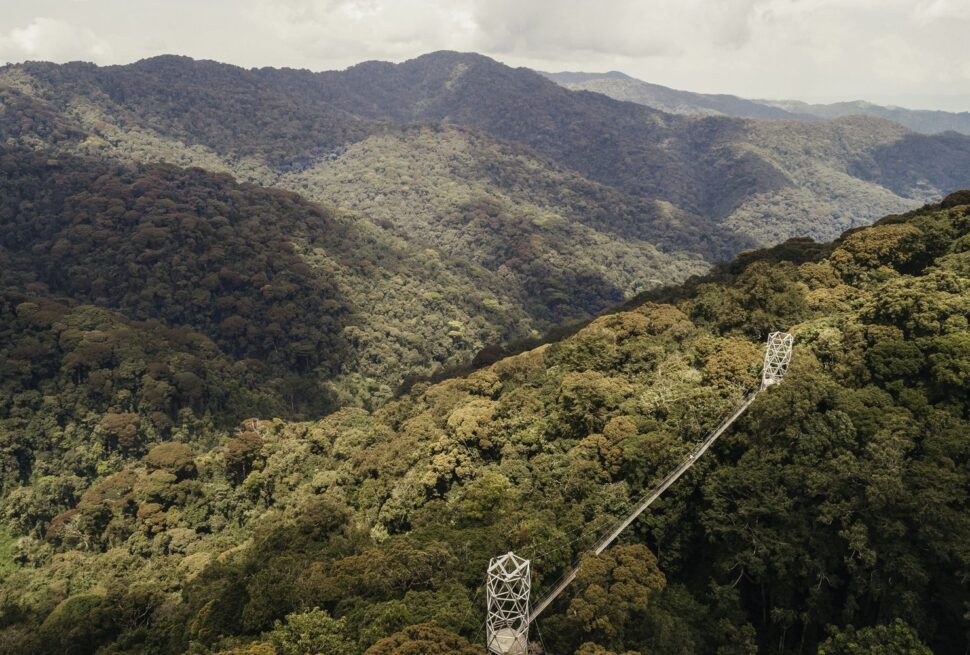
Nyungwe is one of Africa’s oldest rainforests, dating back to the Ice Age. It’s home to 13 primate species, including chimpanzees and colobus monkeys, as well as over 300 bird species. The park is also known for its thrilling canopy walkway, one of only a few of its kind in Africa.
Accommodation: One&Only Nyungwe House (luxury) or Nyungwe Top View Hill Hotel (mid-range). Both offer stunning views and easy access to park activities.
Day 6: Nyungwe Forest – Chimpanzee Trekking and Canopy Walk
Today, you’ll experience the best of Nyungwe Forest. Start early with chimpanzee trekking—chimpanzees are most active at dawn, and your guide will take you deep into the forest to find them. Watching these fascinating primates interact, groom, and play is a highlight for many visitors.
In the afternoon, experience the famous canopy walkway—a suspended bridge 70 metres above the forest floor. The walkway offers breathtaking views of the forest canopy and a unique perspective on the ecosystem. It’s a thrilling experience and a great opportunity for photography.
If time permits, enjoy a guided nature walk to spot colobus monkeys, grey-cheeked mangabeys, and various bird species. Nyungwe is a birdwatcher’s paradise, with species like the Rwenzori turaco and the blue-headed sunbird.
Accommodation: Same as Day 5.
Day 7: Nyungwe to Akagera National Park
After a final morning in Nyungwe, you’ll transfer to Akagera National Park in eastern Rwanda. The drive takes approximately six to seven hours, passing through Kigali and into the eastern savannah. Alternatively, you can opt for a domestic flight from Kamembe to Kigali to save time.
Akagera is a conservation success story. Following decades of poaching and habitat loss, the park has been revitalised through a partnership between the Rwanda Development Board and African Parks. Lions and rhinos have been reintroduced, and the park is now home to the Big Five.
Accommodation: Akagera offers a range of lodges and tented camps, from mid-range to luxury, many with stunning views over the park or Lake Ihema.
Day 8: Akagera National Park – Big Five Game Drive
Today, you’ll enjoy a full day of game drives in Akagera. The park’s varied habitats—savannah, wetlands, and lakes—support a remarkable diversity of wildlife. You can expect to see elephants, buffalo, zebras, giraffes, and a variety of antelope species. With luck, you may also spot lions, leopards, and rhinos.
In the afternoon, enjoy a boat safari on Lake Ihema. The lake is home to hippos, crocodiles, and a stunning array of birdlife, including fish eagles and kingfishers. The boat safari offers a different perspective on the park and is a highlight for many visitors.
Accommodation: Same as Day 7.
Day 9: Akagera – Night Drive and Birdwatching
This morning, you can opt for another game drive or a guided nature walk. Akagera is also a birdwatcher’s paradise, with over 500 species recorded, including the elusive shoebill stork. The park’s wetlands are particularly good for birding.
In the evening, enjoy a night drive to spot nocturnal animals like leopards, genets, and bushbabies. Night drives offer a completely different perspective on the park and are a thrilling way to end your safari.
Accommodation: Same as Day 7.
Day 10: Return to Kigali and Departure
After breakfast, you’ll drive back to Kigali. The journey takes about two to three hours. Depending on your flight time, you may have the opportunity to do some last-minute shopping at the craft markets or enjoy a final meal in the city.
You’ll be transferred to Kigali International Airport for your departure flight. If you have more time, consider extending your safari with a visit to Lake Kivu for relaxation or a combined Uganda-Rwanda itinerary. For a comprehensive option, see our 16-Day Rwanda and Uganda Gorilla Trekking & Big Five Safari.
Wildlife Highlights by Park
Each of Rwanda’s national parks offers a unique wildlife experience. Here’s what you can expect:
| Park | Key Wildlife | Best Activities |
|---|---|---|
| Volcanoes National Park | Mountain gorillas, golden monkeys, buffalo, bushbuck, over 200 bird species | Gorilla trekking, golden monkey trekking, Dian Fossey hike, cultural visits |
| Nyungwe Forest National Park | Chimpanzees, colobus monkeys, grey-cheeked mangabeys, over 300 bird species | Chimpanzee trekking, canopy walkway, nature walks, birdwatching |
| Akagera National Park | Lions, leopards, elephants, rhinos, buffalo, giraffes, zebras, hippos, crocodiles, over 500 bird species | Game drives, boat safaris, night drives, birdwatching |
Conservation in Rwanda’s National Parks
Rwanda is a global leader in conservation, and its national parks are at the heart of these efforts. The Volcanoes National Park gorilla population has grown steadily thanks to intensive anti-poaching patrols, veterinary care, and community engagement programmes. The Dian Fossey Gorilla Fund and other organisations work tirelessly to protect these endangered primates.
In Akagera, the reintroduction of lions and rhinos has been a remarkable success. The park is now a model for conservation-led tourism, with revenues supporting park management and local communities. Similarly, Nyungwe Forest is protected through a combination of park rangers, research stations, and community outreach programmes.
When you visit Rwanda’s national parks, your permit fees and lodge stays directly contribute to these conservation efforts. It’s tourism that makes a difference.
What to Pack for a Rwanda National Parks Safari
Packing for a multi-park safari requires careful planning. Here’s a suggested list:
- Clothing: Neutral-coloured layers (greens, browns, khakis), long-sleeved shirts, long trousers, a warm fleece or jacket for cool mornings and evenings, a waterproof jacket, and comfortable hiking boots.
- Accessories: Sun hat, sunglasses, sunscreen, insect repellent, binoculars, camera with zoom lens, and a small daypack for treks.
- Documents: Passport, visa, yellow fever certificate, travel insurance, and printed copies of your itinerary.
- Other: Reusable water bottle, power adapter (Rwanda uses Type C and J plugs), and a good book for downtime.
Most lodges offer laundry service, so you can pack light. Dress codes are generally smart-casual, but there’s no need for formal attire.
Health and Safety Tips
Rwanda is generally a safe country with a low crime rate. However, as with any travel, it’s wise to take standard precautions. Luxury safari operators provide comprehensive support, including 24/7 emergency assistance.
- Yellow fever: A yellow fever certificate is required for entry if you are arriving from a country with yellow fever transmission.
- Malaria: Rwanda is a malaria-risk country, so antimalarial medication is recommended. Consult your doctor before travel.
- Altitude: Volcanoes National Park is at high altitude (2,500–4,500 metres), so take it easy on the first day and stay hydrated.
- Travel insurance: Comprehensive travel insurance that covers medical evacuation is strongly recommended.
For the latest health advisories, consult your government’s travel health website or a travel medicine clinic. For visa and entry requirements, see the Rwanda Directorate General of Immigration and Emigration.
Planning one week? See our 7-day Rwanda safari itinerary for a day-by-day route through Volcanoes, Lake Kivu and Nyungwe.
Frequently Asked Questions
How many national parks are in Rwanda?
Rwanda has three main national parks: Volcanoes National Park, Nyungwe Forest National Park, and Akagera National Park.
Can I visit all three parks in one trip?
Yes. A 10-day itinerary allows you to visit all three parks comfortably. If you have less time, you can focus on one or two parks.
Which park is best for gorilla trekking?
Volcanoes National Park is the only park in Rwanda where you can trek mountain gorillas. It’s also home to golden monkeys and offers the Dian Fossey hike.
Is Akagera worth visiting?
Absolutely. Akagera is a conservation success story and offers the Big Five, boat safaris, and excellent birdwatching. It’s a great contrast to the rainforest parks.
What is the best time to visit Rwanda’s national parks?
The dry seasons (June–September and December–February) offer the best conditions for trekking and game viewing. However, the parks are open year-round.
Start Planning Your Rwanda National Parks Safari
Every safari we create is tailored to your interests, budget, and travel dates. Whether you dream of gorillas, chimpanzees, or the Big Five, we’ll design the perfect itinerary for you.
Contact us today to begin planning your unforgettable Rwanda national parks safari.
Plan Your Rwanda Safari With Afraeka Adventures
Turn this guide into a real itinerary. Our local team plans your dates, permits and lodges around your budget.
Official sources and further reading
About the author: Victoria Kayaga
Victoria Kayaga is a Ugandan-born safari expert and the founder of Afraeka Adventures, with over 7 years of experience in the East African tourism industry. She specializes in gorilla trekking, wildlife safaris and multi-country itineraries across Uganda, Rwanda, Kenya and Tanzania.