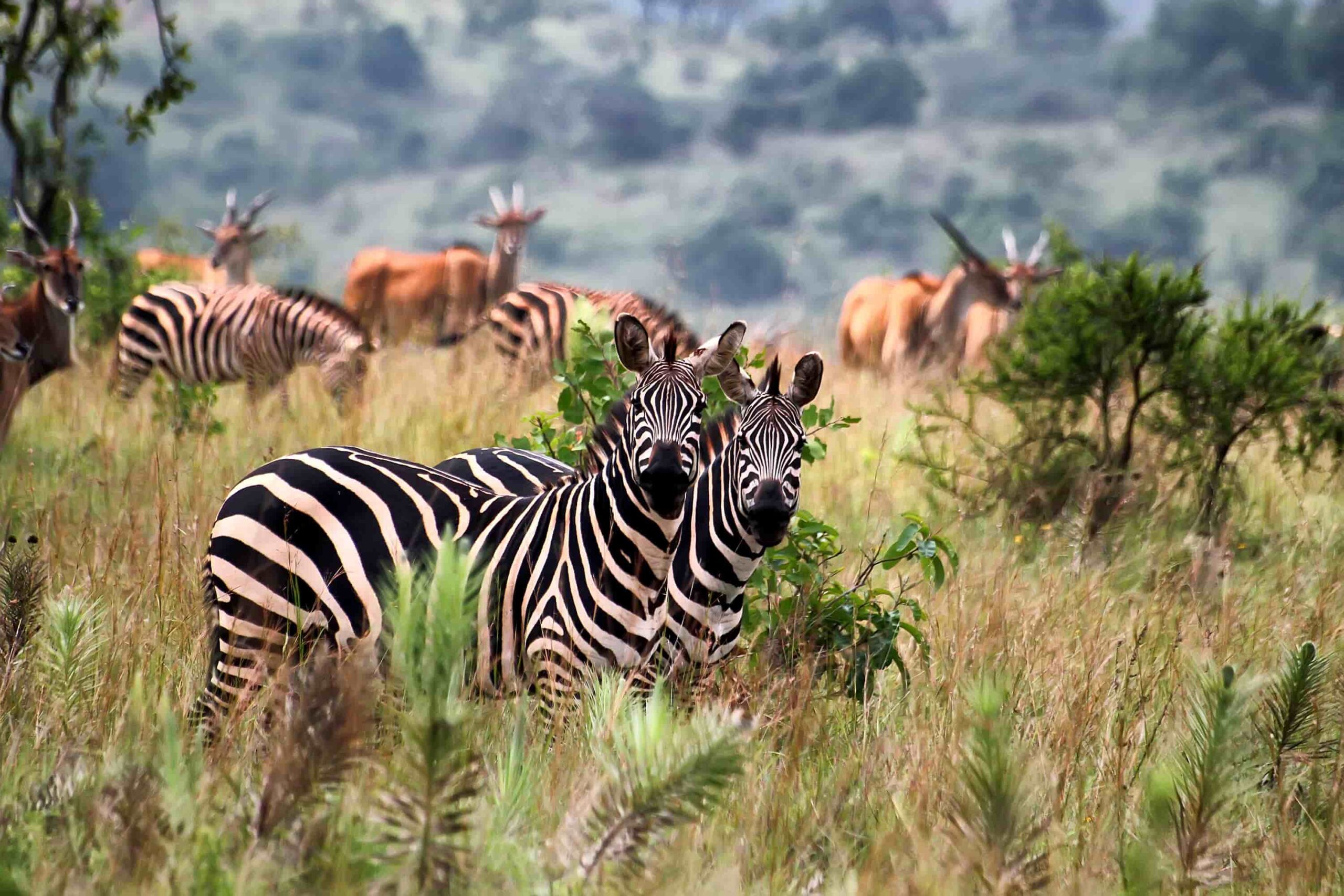
Planning an Akagera safari? Understanding the costs and available activities is essential for creating a memorable and well-budgeted trip. Akagera National Park, Rwanda’s only savannah park, offers an incredible wildlife experience—the Big Five, boat safaris, night drives, and over 500 bird species—often at a fraction of the cost of East Africa’s more famous parks. This guide breaks down all the cost factors you need to know and details every activity available, so you can plan with confidence. Akagera safari cost and activities
Rather than listing fixed prices, this guide explains what influences the cost of an Akagera safari, how to budget effectively, and where you can save. All facts are drawn from the Rwanda Development Board (RDB), African Parks, and reputable tour operators.
Why Akagera National Park is a Must-Visit
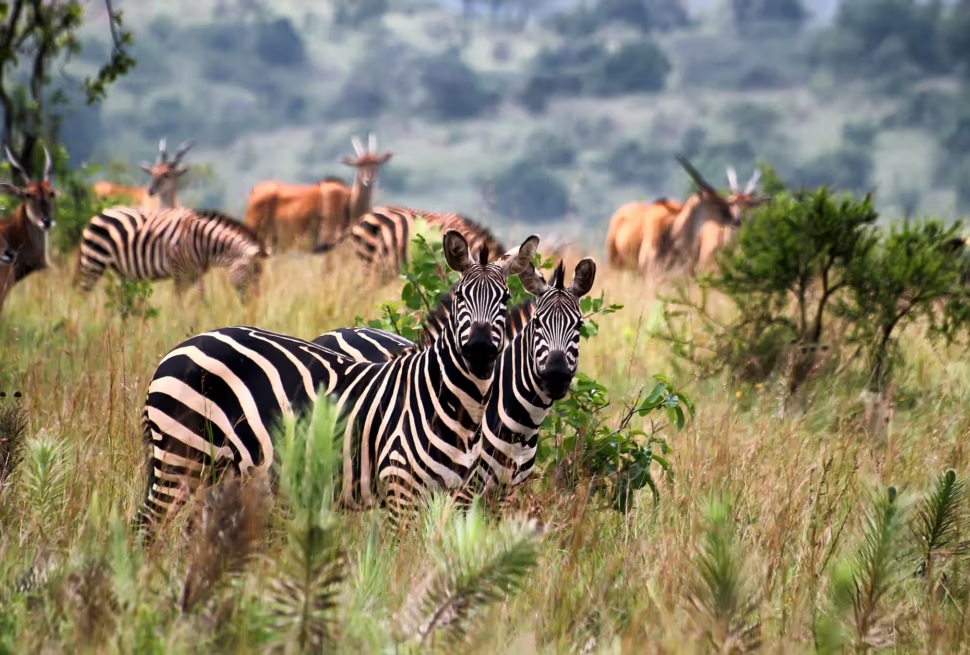
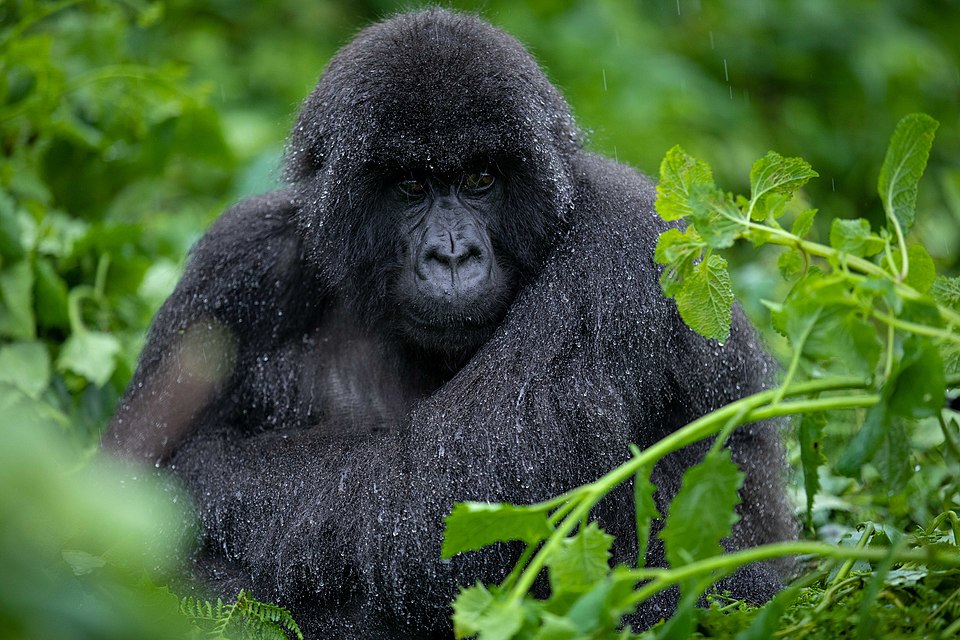
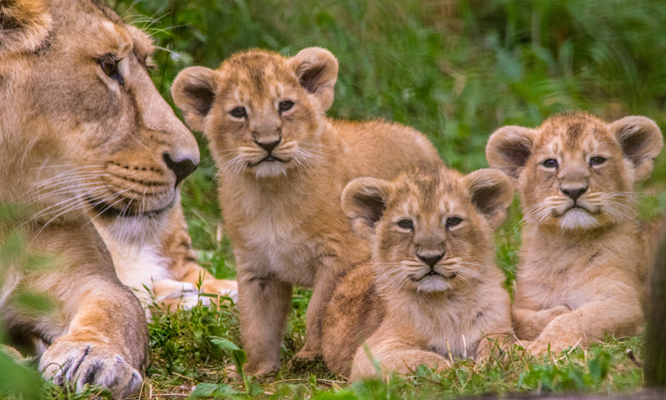
Akagera National Park is a conservation success story. After being devastated by poaching in the 1990s, the park was revitalised through a partnership between the Rwanda Development Board and African Parks. Lions and rhinos have been reintroduced, and today Akagera is home to the Big Five—lion, leopard, elephant, buffalo, and rhino—as well as giraffes, zebras, hippos, crocodiles, and a stunning variety of antelope.
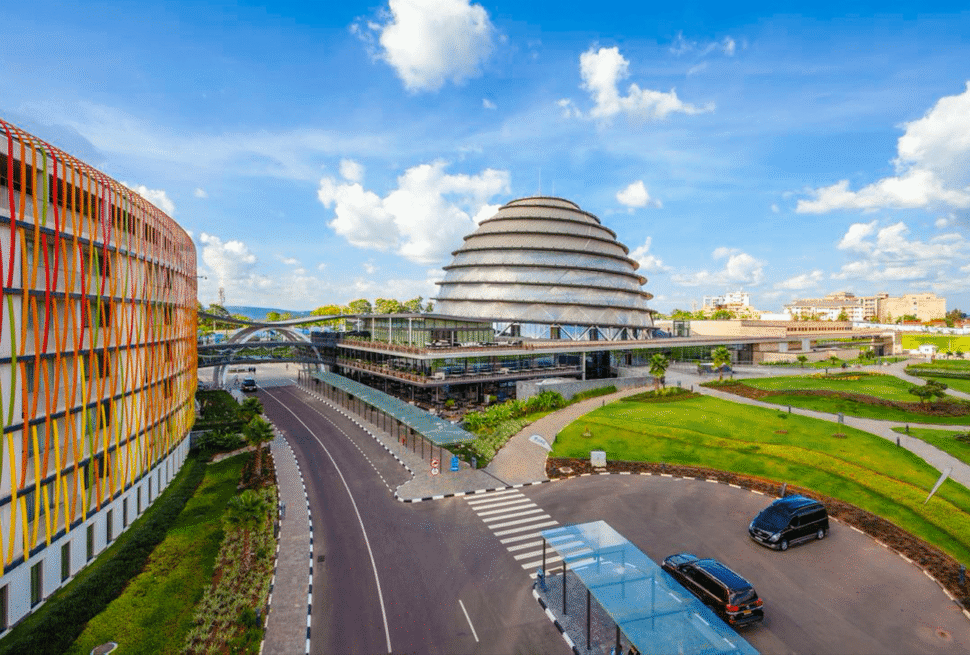
Unlike many safari destinations, Akagera is rarely crowded. You can enjoy game drives without convoys of vehicles, and the park’s varied habitats—savannah, wetlands, and lakes—offer a diverse and rewarding experience. It’s also easily accessible from Kigali, making it perfect for a short safari or an add-on to a gorilla trekking trip.
For a combined Rwanda-Uganda safari that includes Akagera, see our 16-Day Rwanda and Uganda Gorilla Trekking & Big Five Safari.
What Influences Akagera safari cost and activities?
The total cost of an Akagera safari depends on several factors. Understanding these will help you budget and make informed choices.
1. Park Entry Fees
The Rwanda Development Board sets park entry fees for Akagera. These fees vary by visitor category—international visitors, African Union citizens, and Rwandan citizens—and are charged per person, per day. The fees contribute directly to park management, anti-poaching patrols, and community development programmes. The longer you stay, the more entry fees you accumulate, so it’s worth planning your days efficiently.
2. Accommodation
Accommodation is often the largest variable cost. Akagera offers options ranging from budget campsites to luxury tented camps. The choice you make—camping versus a lodge, mid-range versus ultra-luxury—will significantly affect your overall budget. Staying inside the park is more convenient but generally costs more than staying outside. Full-board rates (including meals) are common at lodges and can simplify budgeting.
3. Transportation
Getting to and around Akagera requires transportation. Options include private 4×4 vehicles with a driver-guide, self-drive vehicle hire, or joining a group tour. Private transfers from Kigali are the most convenient but also the most expensive. Self-drive can reduce costs but requires comfort with local driving conditions. Group tours share transport costs, lowering the per-person expense.
4. Activities
Game drives are usually included in package prices, but specialised activities like night drives, boat safaris, fishing, and cultural visits may carry additional fees. The more activities you add, the higher your total cost. Prioritising your must-do experiences will help you manage your budget.
5. Meals and Drinks
Most lodges include meals in their rates, especially at the mid-range and luxury levels. If you are camping or staying at a basic guesthouse, you’ll need to budget for food separately. Alcoholic drinks and premium beverages are typically not included.
6. Season and Timing
Peak season (June–September and December–February) generally means higher accommodation rates and more demand. Low season (March–May and October–November) often offers lower lodge rates and fewer crowds. Park entry fees remain constant year-round, but your overall costs can be lower in the low season.
How to Budget for an Akagera Safari
Because prices change and depend on your choices, the best approach is to decide on your priorities and then request quotes from tour operators. Here’s a framework for budgeting:
- Decide on your travel style: Budget, mid-range, or luxury. This will dictate accommodation and transport choices.
- Choose your duration: A 2-day trip is cheaper than a 5-day trip, but longer stays offer better value per day and more wildlife experiences.
- Select your activities: Game drives are essential. Boat safaris and night drives are highly recommended. Other activities are optional.
- Consider the season: Travelling in low season can reduce accommodation costs.
- Book as a package: Operators often negotiate better rates than booking separately, and packages simplify budgeting.
- Ask about inclusions: Clarify what is included—park fees, meals, activities, transport—so you can compare quotes accurately.
For a personalised quote tailored to your budget and interests, contact us.
How to Save on Your Akagera Safari
- Travel in low season: March–May and October–November offer lower lodge rates and fewer crowds.
- Join a group tour: Sharing transport and guide costs reduces per-person expenses.
- Stay outside the park: Accommodation near the park entrance can be cheaper than inside.
- Limit extra activities: Focus on game drives and one boat safari; night drives are optional.
- Book as a package: Operators often negotiate better rates than booking separately.
- Self-drive: If you’re comfortable driving, renting a 4×4 and camping can significantly cut costs.
- Travel with a group: Larger groups can share costs, reducing per-person expenses.
Top Activities in Akagera National Park
Game Drives
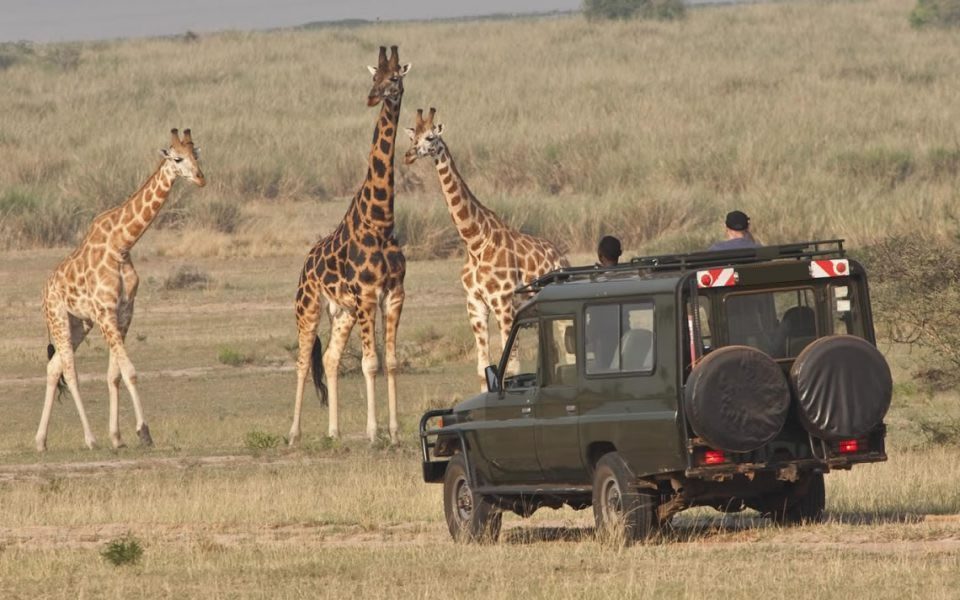
Game drives are the core safari activity in Akagera. The park’s network of tracks takes you through savannah, woodland, and wetlands. Morning drives are best for predators, while afternoon drives offer excellent light for photography. With a knowledgeable guide, you’ll spot elephants, buffalo, giraffes, zebras, and a variety of antelope. Lions and leopards are also present, though sightings are not guaranteed. Game drives are typically included in package prices.
Boat Safaris on Lake Ihema
A boat safari on Lake Ihema is a highlight of any Akagera visit. The lake is home to large pods of hippos and numerous crocodiles, and the birdlife is spectacular. You’ll glide past kingfishers, fish eagles, and herons, and with luck, spot the elusive shoebill stork. Boat safaris typically last 1–2 hours and are suitable for all ages. They are often included in packages or available as an add-on.
Night Drives
Night drives offer a completely different perspective on Akagera. With a spotlight and an expert guide, you’ll search for nocturnal animals like leopards, genets, bushbabies, and owls. Night drives are conducted in special vehicles and are a thrilling way to see predators in action. They must be booked in advance and usually carry an additional fee.
Birdwatching
With over 500 recorded species, Akagera is a birdwatcher’s paradise. The park’s wetlands are particularly productive, attracting papyrus gonoleks, swamp flycatchers, and carmine bee-eaters. Migratory species arrive during the rainy seasons, making October–November and March–May excellent for birding. Guided birding walks are available for an additional fee.
Fishing
Catch-and-release fishing is available on Lake Ihema (seasonal). The lake is home to tilapia and other species. Fishing equipment can be provided, and a guide will take you to the best spots. It’s a relaxing way to enjoy the park’s natural beauty. There is usually a fee for fishing permits.
Cultural Visits
Visit local communities around Akagera to learn about traditional Rwandan life. You can participate in drumming, craft-making, and farming activities. These visits provide insight into the culture of the people who live alongside the park and directly support community development. Cultural visits typically involve a small fee.
Walking Safaris
Guided walking safaris are available in certain areas of Akagera. Walking allows you to appreciate the smaller details—plants, insects, and tracks—that you miss from a vehicle. Walks are led by armed rangers and are a great way to connect with the bush. Walking safaris usually require an additional fee.
Accommodation Options in and Around Akagera
Akagera offers accommodation for all budgets:
- Budget: Campsites and basic guesthouses. Bring your own tent or hire on-site. Facilities are simple but adequate.
- Mid-range: Comfortable lodges and seasonal bush camps with en-suite rooms and meals included. Examples include Akagera Game Lodge and Karenge Bush Camp.
- Luxury: High-end tented camps with premium service, gourmet dining, and exclusive locations. Examples include Ruzizi Tented Lodge and Magashi Camp.
Staying inside the park allows you to maximise your safari time and enjoy the sounds of the bush at night. Lodges often offer additional activities like guided walks and cultural visits.
Best Time to Visit Akagera for Wildlife and Value
The dry seasons (June–September and December–February) offer the best wildlife viewing. Animals congregate around water sources, and vegetation is thinner, making them easier to spot. This is peak season, so book accommodation early.
The wet seasons (March–May and October–November) offer lush scenery, excellent birdwatching, and lower lodge rates. Some roads may be muddy, but the park remains accessible. For budget-conscious travellers, the wet season can offer significant savings.
What to Pack for an Akagera Safari
- Clothing: Neutral-coloured layers, long-sleeved shirts, long trousers, warm fleece for early mornings, hat, and comfortable walking shoes.
- Accessories: Sunscreen, insect repellent, binoculars, camera with zoom lens, and a small daypack.
- Documents: Passport, visa, travel insurance, and printed itinerary.
- Other: Reusable water bottle, power adapter (Type C and J), and a good book for downtime.
Health and Safety in Akagera
- Malaria: Akagera is in a malaria-risk area, so antimalarial medication is recommended. Consult your doctor.
- Yellow fever: A certificate is required if arriving from a country with yellow fever transmission.
- Sun protection: The sun can be strong, so wear sunscreen and a hat.
- Water: Drink bottled or purified water only.
- Wildlife: Always follow your guide’s instructions and keep a safe distance from animals.
For the latest entry requirements, visit the Rwanda Directorate General of Immigration and Emigration.
Frequently Asked Questions
What factors affect the cost of an Akagera safari?
The main factors are park entry fees, accommodation type, transportation, activities chosen, meals, and the season in which you travel. Package deals can simplify budgeting and often offer better value.
What activities are available in Akagera?
Game drives, boat safaris, night drives, birdwatching, fishing, cultural visits, and walking safaris. Game drives and boat safaris are the most popular.
Is Akagera worth visiting?
Absolutely. Akagera offers the Big Five, excellent birdwatching, and a beautiful savannah landscape—all without the crowds of larger parks. It’s a fantastic addition to any Rwanda itinerary.
Can I do a day trip to Akagera from Kigali?
Yes, a day trip is possible, but it’s rushed. We recommend at least 2–3 days to fully experience the park.
What is the best time to visit Akagera?
The dry seasons (June–September and December–February) offer the best wildlife viewing. The wet seasons offer lower prices and excellent birdwatching.
Start Planning Your Akagera Safari
Every safari we create is tailored to your interests, budget, and travel dates. Whether you want a short 2-day escape or a comprehensive 5-day adventure, we’ll design the perfect itinerary for you.
Contact us today to begin planning your unforgettable Akagera National Park safari.
Plan Your Rwanda Safari With Afraeka Adventures
Turn this guide into a real itinerary. Our local team plans your dates, permits and lodges around your budget.
Official sources and further reading
About the author: Victoria Kayaga
Victoria Kayaga is a Ugandan-born safari expert and the founder of Afraeka Adventures, with over 7 years of experience in the East African tourism industry. She specializes in gorilla trekking, wildlife safaris and multi-country itineraries across Uganda, Rwanda, Kenya and Tanzania.