
A Rwanda primate safari is one of the most concentrated primate experiences on Earth. Despite its small size, Rwanda packs in mountain gorillas, chimpanzees, golden monkeys, Ruwenzori colobus, L’Hoest’s monkeys, grey-cheeked mangabeys, and more—all within a compact, safe, and easily navigable country. The Albertine Rift, which runs through Rwanda’s western forests, is one of Africa’s most important biodiversity hotspots for primates, and Rwanda’s three key parks—Volcanoes, Nyungwe, and Gishwati-Mukura—each offer a different primate experience. This guide explains what a Rwanda primate safari involves, which species you can see, where and when to go, sample itineraries, permits, accommodation, and the practical details that make the difference.
Rwanda’s parks are managed by the Rwanda Development Board (RDB), and tourism is promoted by Visit Rwanda. Permits for gorillas, chimpanzees, and golden monkeys are issued by the RDB. For the main primate trekking hub, see our Rwanda gorilla trekking guide. For the broader safari overview, see our Rwanda safaris hub.
Why Rwanda is a Top Primate Destination
Rwanda is one of the best countries in Africa for a dedicated primate safari. The reasons are compelling:
- Extraordinary diversity: Rwanda is home to 13 primate species in Nyungwe alone, plus gorillas and golden monkeys in Volcanoes, and chimpanzees in Gishwati-Mukura.
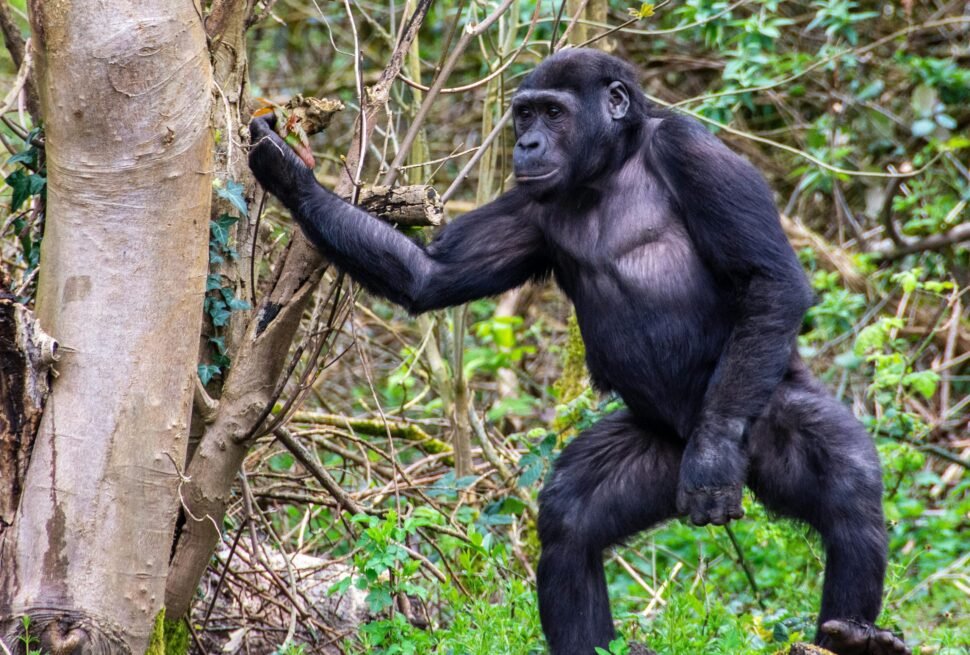
- Mountain gorillas: Rwanda’s Volcanoes National Park is one of only three places in the world where you can trek mountain gorillas.
- Endangered species: Golden monkeys, mountain gorillas, and chimpanzees are all endangered or critically endangered, making sightings especially meaningful.
- Compact geography: Distances are short, so you can combine gorillas, chimpanzees, and golden monkeys in a single week.
- Well-managed parks: Rwanda’s parks are professionally managed, with strict rules that protect primates and ensure a low-impact experience.
- Safety and infrastructure: Rwanda is safe, clean, and easy to navigate, making travel between parks stress-free.
- Conservation impact: Permits and lodge stays directly fund conservation and community programmes.
The result is a safari that is both deeply rewarding and logistically manageable—something that’s rare for multi-species primate trips.
The Primates You Can See
Rwanda’s forests are home to a remarkable range of primates. Here’s what you can expect to see.
| Species | Where | Notes |
|---|---|---|
| Mountain gorilla | Volcanoes National Park | Endangered; one of the world’s most sought-after wildlife experiences. |
| Chimpanzee | Nyungwe Forest, Gishwati-Mukura | Endangered; habituated communities in both parks. |
| Golden monkey | Volcanoes National Park | Endangered; endemic to the Virunga Mountains. |
| Ruwenzori colobus | Nyungwe Forest | Troops of up to 300—one of the largest primate groups in Africa. |
| L’Hoest’s monkey | Nyungwe Forest | Rare and beautiful; found in the forest understory. |
| Grey-cheeked mangabey | Nyungwe, Gishwati-Mukura | Common in forest interiors. |
| Blue monkey | Nyungwe, Gishwati-Mukura | Common and confiding. |
| Red-tailed monkey | Nyungwe | Common in forest edges and interiors. |
| Vervet monkey | Around lodges and savannah edges | Common and bold. |
| Olive baboon | Nyungwe edges, Akagera | Common and bold. |
Not every primate requires a permit. Gorillas, chimpanzees, and golden monkeys require permits and guided treks; other species are seen on nature walks, forest trails, and game drives.
Where to Go on a Rwanda Primate Safari
Rwanda has three main primate destinations, each offering a different experience.
Volcanoes National Park
Volcanoes National Park is Rwanda’s premier primate destination. Located in the northwest, it is part of the Virunga Massif and is home to mountain gorillas, golden monkeys, and a rich array of birds and other wildlife. The park also offers the Dian Fossey hike, cultural visits to the Iby’iwacu Cultural Village, and the Ellen DeGeneres Campus of the Dian Fossey Gorilla Fund.
Gorilla trekking is the headline experience, and the minimum age is 15. Golden monkey trekking is a lively, shorter alternative, and is open to visitors aged 12 and over. For more, see our Rwanda gorilla trekking guide and our Rwanda golden monkey trekking itinerary.
Nyungwe Forest National Park
Nyungwe Forest is one of Africa’s oldest rainforests and the most primate-rich forest in Rwanda. It is home to 13 primate species, including chimpanzees, Ruwenzori colobus, golden monkeys, L’Hoest’s monkeys, and grey-cheeked mangabeys. The park also offers the famous canopy walkway and over 300 bird species.
Chimpanzee trekking is the highlight, and the forest is wilder and more adventurous than Uganda’s Kibale. For more, see our Nyungwe National Park guide, our Nyungwe Forest chimpanzee trekking itinerary, and our colobus monkey tracking Nyungwe guide.
Gishwati-Mukura National Park
Gishwati-Mukura is Rwanda’s newest national park, a small but important forest fragment in the northwest. It is home to chimpanzees, golden monkeys, and a variety of birds, and it is a remarkable conservation success story. The park offers chimpanzee trekking and guided nature walks. For more, see our Gishwati Mukura National Park guide.
Best Time for a Rwanda Primate Safari
Rwanda is a year-round primate destination, but the best time depends on your priorities.
- June to September (long dry season): The best conditions for trekking, with drier trails and easier hiking. Peak season, so book permits and lodges early.
- December to February (short dry season): Good conditions with fewer crowds than June–September.
- March to May (long rainy season): Lush scenery, excellent birding, and lower lodge rates. Trails can be muddy and slippery, especially in Nyungwe and Volcanoes.
- October to November (short rainy season): Similar but shorter. A good time for birders.
For a broader seasonal overview, see our best time to visit Rwanda guide. For wet-weather preparation, see our Rwanda rainy season safari planning guide.
Sample Rwanda Primate Safari Itineraries
Rwanda primate safaris can be tailored to different interests and trip lengths. Here are three sample itineraries, from a short gorilla-focused escape to a comprehensive primate adventure.
5-Day Gorilla and Golden Monkey Escape
Day 1: Arrive in Kigali. Visit the Kigali Genocide Memorial and explore the city.
Day 2: Drive to Volcanoes National Park. Afternoon cultural visit to Iby’iwacu Cultural Village.
Day 3: Gorilla trekking in the morning. Afternoon at leisure or a short nature walk.
Day 4: Golden monkey trekking in the morning. Afternoon transfer to Lake Kivu.
Day 5: Morning at Lake Kivu. Transfer to Kigali for departure.
This itinerary is ideal for travellers with limited time who want a focused primate experience. It includes gorillas, golden monkeys, and Lake Kivu.
8-Day Gorillas, Chimpanzees and Golden Monkeys
Day 1: Arrive in Kigali. Genocide Memorial, Kimironko Market, and dinner in the city.
Day 2: Drive to Volcanoes National Park. Ellen DeGeneres Campus and cultural visit.
Day 3: Gorilla trekking. Afternoon at leisure.
Day 4: Golden monkey trekking. Afternoon transfer to Lake Kivu.
Day 5: Lake Kivu morning. Transfer to Nyungwe Forest.
Day 6: Chimpanzee trekking in Nyungwe. Afternoon canopy walkway.
Day 7: Colobus monkey trekking or nature walk. Afternoon transfer to Kigali.
Day 8: Departure from Kigali International Airport.
This itinerary combines all three flagship primate experiences—gorillas, chimpanzees, and golden monkeys—with Lake Kivu and the Nyungwe canopy walkway.
12-Day Comprehensive Primate Safari
Days 1–2: Arrive in Kigali. City tour and cultural experiences.
Days 3–5: Volcanoes National Park. Gorilla trekking, golden monkeys, Dian Fossey hike, cultural visits.
Days 6–7: Lake Kivu. Lakeside relaxation and coffee tours.
Days 8–9: Nyungwe Forest. Chimpanzee trekking, colobus monkey tracking, canopy walkway, birding.
Days 10–11: Gishwati-Mukura National Park. Chimpanzee trekking and nature walks.
Day 12: Return to Kigali and departure.
This itinerary is the most comprehensive, combining all three primate destinations with lakes and culture. For a combined Rwanda-Uganda primate safari, see our Uganda Rwanda primate safari itinerary and our 7-Day Uganda-Rwanda Primates Safari.
Permits for a Rwanda Primate Safari
A Rwanda primate safari requires multiple permits, each issued by the RDB. Here’s what to know.
Gorilla Permits
Gorilla permits are the most sought-after and should be booked as early as possible—six to nine months ahead for peak season, and 12–18 months ahead for festive-season dates. For costs and inclusions, see our Rwanda gorilla permit cost guide. For last-minute options, see our last minute gorilla permits Rwanda guide.
Golden Monkey Permits
Golden monkey permits are issued by the RDB and are generally easier to secure than gorilla permits. They should still be booked in advance, especially in peak season. For more, see our Rwanda golden monkey trekking itinerary.
Chimpanzee Permits
Chimpanzee permits for Nyungwe and Gishwati-Mukura are issued by the RDB. They are generally easier to secure than gorilla permits, but should still be booked in advance. For costs, see our Nyungwe chimpanzee trekking cost guide.
For current rates and booking procedures, visit the Rwanda Development Board. Most visitors book permits as part of a package that includes accommodation, transport, and guiding.
Where to Stay on a Rwanda Primate Safari
Accommodation is one of the most important decisions for a primate safari, and the best lodges sell out early. Here’s a guide by destination.
Volcanoes National Park
Options range from ultra-luxury lodges like Bisate Lodge, One&Only Gorilla’s Nest, and Singita Kwitonda Lodge to comfortable mid-range lodges and budget guesthouses. Staying close to the park headquarters in Kinigi reduces transfer times on trekking mornings. For more, see our best lodges in Volcanoes National Park guide and our where to stay in Musanze guide.
Nyungwe Forest
The standout option is One&Only Nyungwe House, a luxury lodge set on a former tea plantation at the edge of the forest. There are also mid-range lodges and guesthouses near the park entrance, including Nyungwe Top View Hill Hotel. For more, see our best lodges in Nyungwe guide.
Lake Kivu
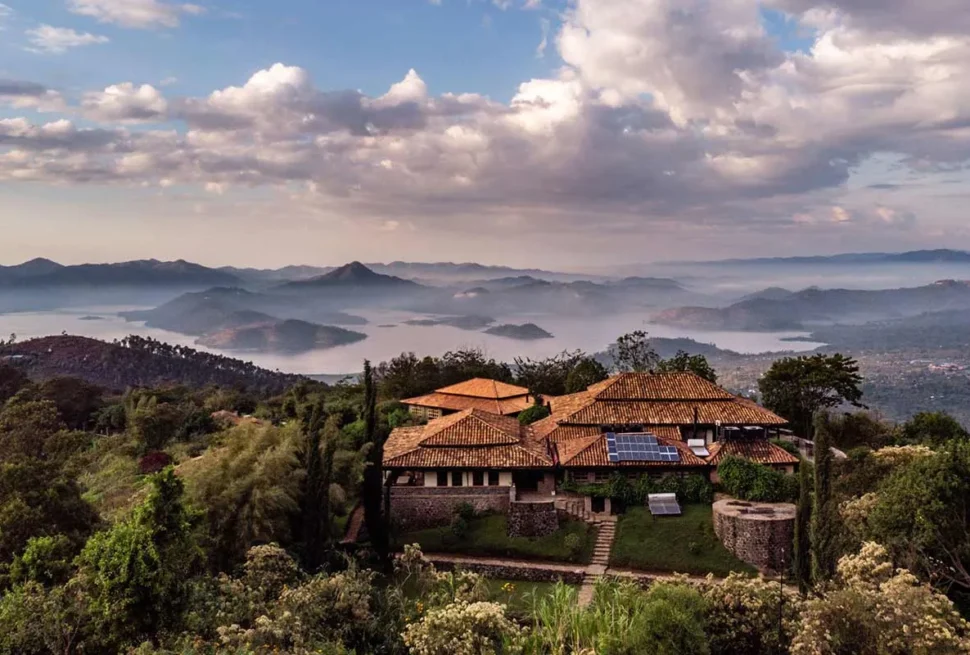
Gisenyi and Kibuye have a range of lakeside lodges, from budget guesthouses to luxury resorts. Lake Kivu Serena Hotel and Mantis Kivu Marina Bay Hotel are popular choices in Gisenyi, while Cormoran Lodge is a favourite in Kibuye. For more, see our best hotels on Lake Kivu guide.
Kigali
Kigali has the widest range of accommodation, from boutique guesthouses to five-star hotels. For neighbourhood guidance, see our where to stay in Kigali guide.
What to Pack for a Rwanda Primate Safari
- Clothing: Neutral-coloured layers, long-sleeved shirts, long trousers, a waterproof jacket, a warm fleece for cool mornings at altitude, and sturdy hiking boots with good grip.
- Accessories: Sun hat, sunglasses, sunscreen, insect repellent, binoculars, camera with zoom lens, and a small daypack.
- Documents: Passport, visa, yellow fever certificate, travel insurance, printed permits, and copies of your itinerary.
- Health: Antimalarial medication, any prescription medicines, a basic first-aid kit, and rehydration sachets.
- Gear: Gloves and gaiters for muddy trekking days, a dry bag for camera gear, and a walking stick (available locally).
- Other: Reusable water bottle, universal power adapter (Type C and J sockets), and a good book for downtime.
Most lodges offer laundry service, so you can pack light. Dress in layers, as temperatures vary between the cool highlands and the warmer lakeshore. For a full packing list, see our what to pack for Rwanda guide.
Health and Safety on a Rwanda Primate Safari
- Malaria: Rwanda is a malaria-risk country, including national parks. Antimalarial medication is recommended—consult your doctor before travel.
- Yellow fever: A certificate is required for entry to Rwanda if arriving from a country with yellow fever transmission.
- Altitude: Volcanoes National Park and Nyungwe are at high altitude. Take it easy on the first day and stay hydrated.
- Respiratory illness: Do not trek if you have a cold, flu, or other respiratory illness—primates are vulnerable to human diseases.
- Travel insurance: Comprehensive insurance covering medical evacuation is strongly recommended.
- Water: Drink bottled or purified water only.
- Wildlife safety: Follow your guide’s instructions at all times. Keep a safe distance from primates and never feed them.
- Fitness: Be honest about your fitness level. Treks can be matched to your ability, but gorilla and chimpanzee trekking are physically demanding.
For the latest entry requirements, visit the Rwanda Directorate General of Immigration and Emigration. For health preparations, see our vaccines for Rwanda guide. For a broader safety overview, see our is Rwanda safe for tourists guide.
Primate Trekking Rules in Rwanda
Rwanda has strict rules for primate trekking, designed to protect both visitors and primates. Key rules include:
- Minimum age: 15 years for gorilla trekking and 12 years for golden monkey trekking. Chimpanzee trekking also has an age limit, which we confirm when you book.
- Distance: Keep at least 7 metres from primates.
- Health: Do not trek if you have a cold, flu, or other respiratory illness.
- Time limit: One hour with gorillas and chimpanzees, and one hour with golden monkeys.
- No flash photography: Flash can disturb primates.
- No feeding: Never feed primates.
- Follow your guide: Guides are trained to keep you safe and to protect the primates.
For more on the rules, see our gorilla trekking rules in Rwanda guide.
Frequently Asked Questions
What primates can I see in Rwanda?
Rwanda is home to mountain gorillas, chimpanzees, golden monkeys, Ruwenzori colobus, L’Hoest’s monkeys, grey-cheeked mangabeys, blue monkeys, red-tailed monkeys, vervet monkeys, and olive baboons—up to 10 species, depending on luck and effort.
How many days do I need for a Rwanda primate safari?
A minimum of 5 days is recommended for gorillas and golden monkeys. Seven to ten days allows you to add chimpanzees in Nyungwe and Lake Kivu. Twelve days allows a comprehensive trip covering all three primate destinations.
Where can I see chimpanzees in Rwanda?
Chimpanzees can be seen in Nyungwe Forest and Gishwati-Mukura National Park. Nyungwe is the most popular and offers the most reliable sightings. For more, see our Nyungwe Forest chimpanzee trekking itinerary.
Is a Rwanda primate safari suitable for families?
Gorilla trekking has a minimum age of 15 (golden monkey trekking is 12), and chimpanzee trekking has an age limit too, so families with younger children cannot trek gorillas. However, families with younger children can enjoy other primate experiences, such as colobus monkey tracking, nature walks, the Nyungwe canopy walkway, and cultural visits. For more, see our Uganda Rwanda family safari itinerary.
How far in advance should I book?
For peak season, book six to nine months ahead for permits and lodges. For festive-season dates, book 12–18 months ahead. For low season, three to six months may be sufficient, but earlier is always better.
Can I combine a Rwanda primate safari with other countries?
Yes. Many travellers combine Rwanda with Uganda for gorillas in Bwindi, chimpanzees in Kibale, and savannah wildlife in Queen Elizabeth. For a combined itinerary, see our Uganda Rwanda primate safari itinerary and our 7-Day Uganda-Rwanda Primates Safari.
Start Planning Your Rwanda Primate Safari
Every safari we create is tailored to your interests, budget, and travel dates. Whether you want a short gorilla-focused trip or a comprehensive primate adventure, we’ll design an itinerary that makes the most of Rwanda’s extraordinary primate diversity.
Contact us today to begin planning your Rwanda primate safari.
Last updated: October 2026. Fees, permits and park rules are set by the Rwanda Development Board and can change; we confirm current details when you book.
Official sources and further reading
About the author: Victoria Kayaga
Victoria Kayaga is a Ugandan-born safari expert and the founder of Afraeka Adventures, with over 7 years of experience in the East African tourism industry. She specializes in gorilla trekking, wildlife safaris and multi-country itineraries across Uganda, Rwanda, Kenya and Tanzania.