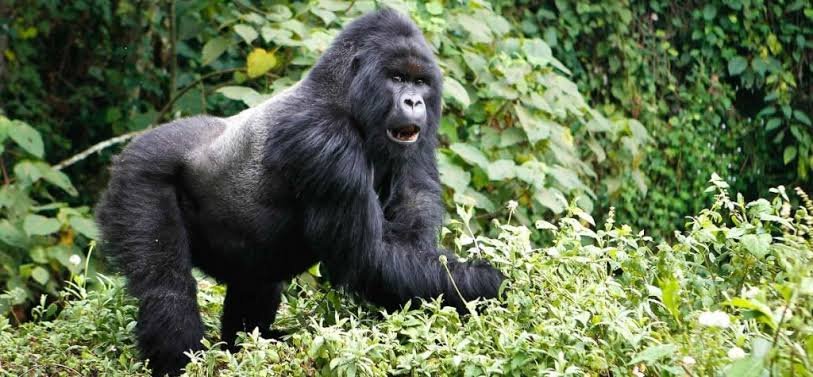
Gorilla trekking in July is the most competitive version of the experience in East Africa. July sits in the middle of the main dry season, forest trails in Uganda’s Bwindi Impenetrable National Park and Rwanda’s Volcanoes National Park are firmer than in the rains, and demand for the fixed daily permit allocation reaches its annual peak alongside the December holiday period. The result is a month that offers the best trekking conditions of the year and the tightest availability — which makes planning, not luck, the deciding factor.
This guide is about July specifically: what the month actually delivers, why demand spikes, how Uganda and Rwanda differ during it, and what the booking timeline has to look like. It is part of a wider gorilla trekking cluster covering the main product and the month-by-month picture — this article zooms in on the one month that needs the most forward planning.
Why July Is Different — and Why It Isn’t
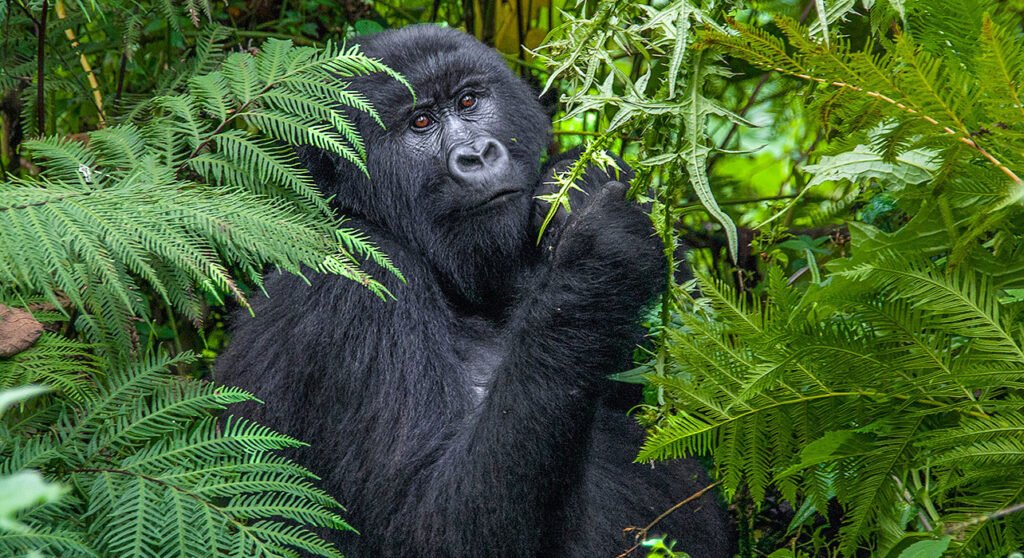
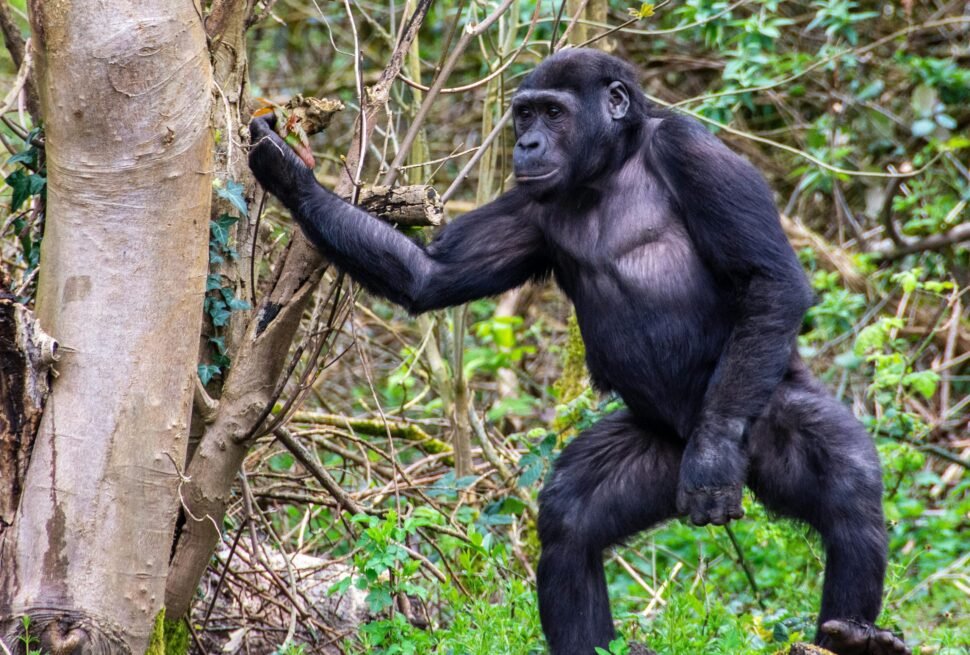
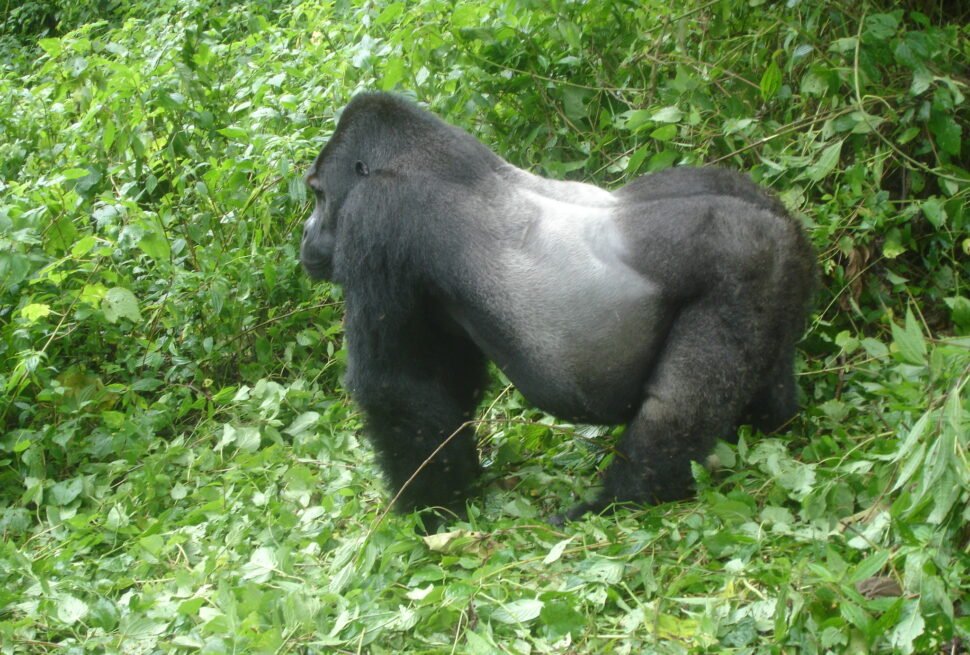
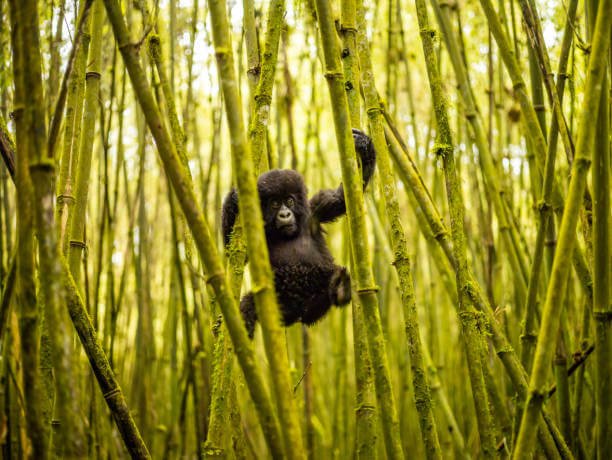
An honest starting point that most “best time to trek” content skips: mountain gorillas do not migrate. They are resident in the Virunga massif and in Bwindi year-round, and the families that visitors trek in July are the same families that visitors trek in April. Unlike the wildebeest migration in Kenya and Tanzania, there is no seasonal wildlife event that makes gorillas more present in July than in any other month.
What changes in July is the trekking experience, not the wildlife. Three conditions shift:
Trails are firmer. The main dry season in the region broadly runs June to September, and July falls in the middle of it. Forest paths are less muddy and easier to walk, which shortens the average trek to the family and reduces the physical demand on the visitor.
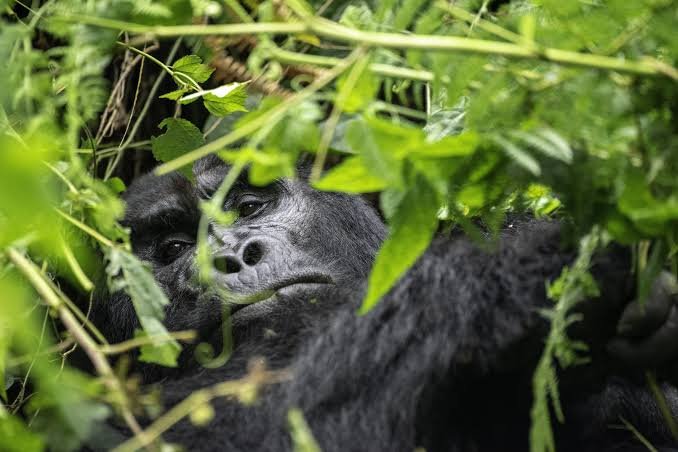
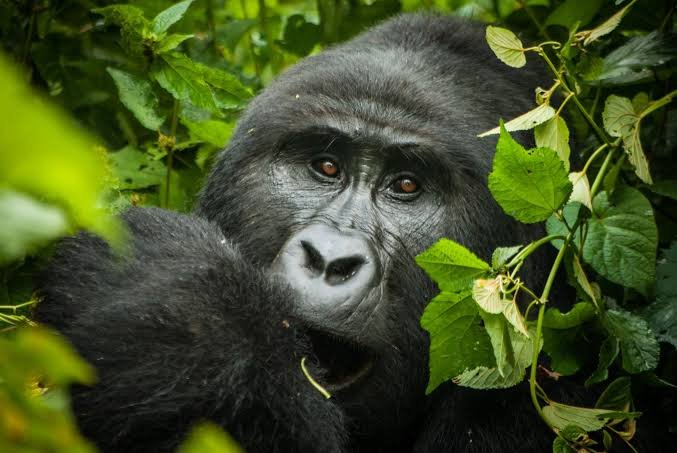
Undergrowth is thinner. Photography is clearer and the gorillas are easier to observe once located.
Rain interruptions are less likely. Rain can fall in any month, but sustained downpours are less common in July than in the wetter months of March to May and October to November.
Those three things are genuinely worth paying for. The trap is the assumption that July offers something the other dry months do not. June, August and September offer comparable conditions. July’s distinctiveness is that it coincides with northern-hemisphere school holidays and the wider East African safari season, which is where the demand pressure comes from.
Why Demand Peaks in July
Two demand forces converge in July, and understanding them explains the booking difficulty.
Northern-hemisphere holidays. July and August are the main school holiday period in the US, UK, Germany, France and the Netherlands — Afraeka’s priority markets. Families that can only travel during school holidays cluster their safari trips into these months.
The East African safari season overlaps. The same months are peak season for Kenya’s Masai Mara and Tanzania’s Serengeti, because the wildebeest migration is typically moving through those ecosystems. Travellers already in East Africa for that safari often add a gorilla leg, and the two countries that offer it — Uganda and Rwanda — see demand from that broader regional traffic.
Those forces hit a hard constraint. Permits are capped per day and per family, with a maximum of eight visitors per gorilla family, and that cap does not flex. No operator can create a permit for a sold-out date, and any supplier promising availability for a specific July day at short notice should be treated with the same caution as one promising a discount on a permit price.
Availability is not guaranteed at short notice. July fills earlier than any month except the December holiday period, and it does so across both countries simultaneously.
Uganda vs Rwanda in July
The two countries offer the same species, in the same massif, under comparable protocols. In July they differ in cost and logistics, and the difference is at its widest because neither country discounts in this month.
| Uganda — Bwindi and Mgahinga | Rwanda — Volcanoes NP | |
|---|---|---|
| Permit price in July | From $800 (no July discount) | From $1,500 (no discount in any month) |
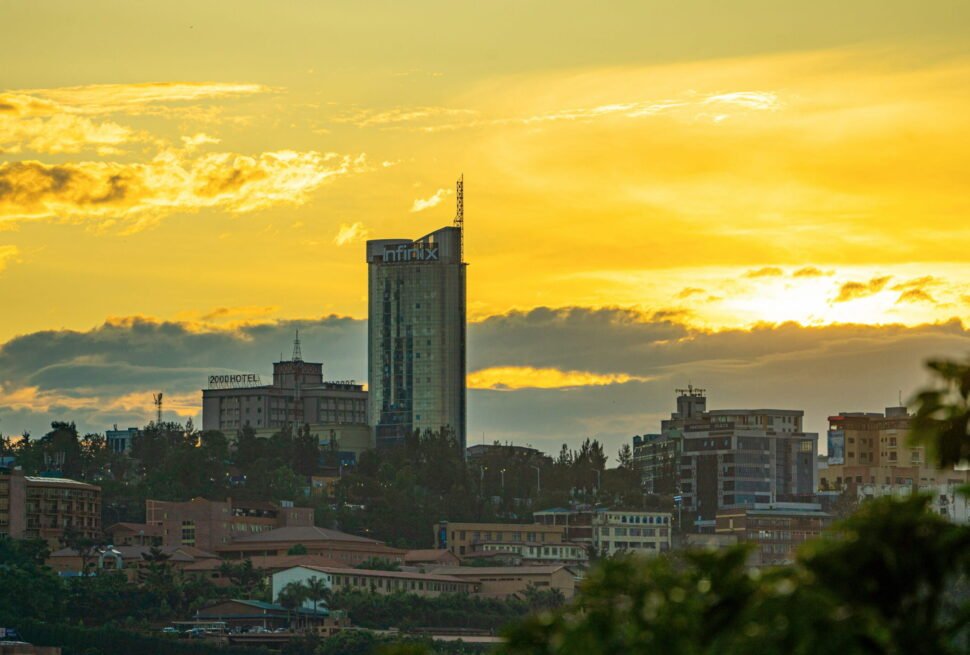
| Transfer to the park | Longer drive from Entebbe or Kampala, or domestic flight | Shorter transfer from Kigali |
| Habituation option | Yes — $1,500, four hours, Rushaga sector only | Not offered |
| July demand pressure | High | High |
| Best for | Lower cost per person, longer Uganda itinerary, groups and families | Short focused trips, easier routing, travellers without time for a long transfer |
The cost difference between the two countries is $700 per person in standard season, and July is a standard month — so it sits at its widest. For a family of four, that gap is $2,800 before accommodation is considered. It does not automatically make Uganda better; Rwanda’s shorter transfer can offset some of the difference once flights and lodge nights are counted. But the permit line alone is worth understanding before the decision is made.
One option worth flagging specifically for July: Uganda’s gorilla habituation experience costs $1,500 per person and gives four hours with a semi-habituated family in the Rushaga sector. That is exactly the same price as Rwanda’s standard one-hour trek, and it is only available on the Ugandan side. For travellers considering Rwanda in July, the comparison is worth making directly rather than assuming the Rwandan permit buys a premium experience. The Uganda gorilla trekking guide covers both products.
What the Trekking Day Involves
The format is identical in both countries and does not change with the month. An early briefing at park headquarters — often before dawn — followed by group allocation, a guided forest walk of unpredictable length, and one hour with a habituated gorilla family.
The fixed rules apply regardless of season:
- Minimum age 15, without exception — a condition of the permit.
- Maximum eight visitors per gorilla family — the constraint that makes July booking difficult.
- One hour with the gorillas on a standard trek, managed by guides and trackers.
- No trekking when unwell — a conservation rule, since human illness can be devastating to a gorilla population with no immunity.
July makes the walk in easier on average, but “average” is doing real work in that sentence. The distance to a family varies day to day, and a family that has moved overnight can mean a considerably longer walk regardless of month. Porters are available and worth hiring, and travellers with mobility concerns should raise them at booking so the day can be planned accordingly.
The Rwanda gorilla trekking guide covers the trek day in detail for the Rwandan side; the Ugandan equivalent is linked above.
Booking Timeline for July
July is the month where booking order actually decides whether a trip happens, because two of the three elements are date-constrained.
First: the gorilla permit. Permits are date-specific, issued per person, capped at eight per family, and availability is not guaranteed at short notice. For July, start the process months in advance rather than weeks — this is the single most important piece of advice in this article. The permit booking guide covers how it works, and the logic applies equally to Uganda.
Second: park accommodation. Lodges near both Bwindi and Volcanoes National Park are limited in number, and July demand means they fill in step with permits. The Rwanda gorilla trekking accommodation guide explains where to base yourself — the proximity argument is identical in Bwindi.
Third: international flights. Booked last, because the permit and accommodation dates determine what flights are needed. Booking flights first and looking for permits afterwards is the most expensive mistake in July planning.
The one piece of flexibility worth considering: if the trip can be moved to late June, early August or September, conditions are comparable and permit availability is generally easier. July is not uniquely good weather — it is uniquely in demand.
What to Pack for July
July conditions shape the kit list, but the forest is wet in any month and the mornings are cold at altitude.
- Long trousers and long sleeves — for protection from vegetation and insects, not warmth.
- Sturdy boots with grip — firmer than the rains, but still uneven forest ground.
- A waterproof jacket and a dry bag — for camera gear and documents. Rain is less likely in July, not impossible.
- Warm layers for the morning — park headquarters sit at altitude and pre-dawn briefings are cold.
- Gloves and gaiters — optional, useful in dense vegetation.
- Insect repellent — standard for the forest year-round.
- Neutral colours — bright colours are best avoided in the forest.
Packing for the trek is covered in more depth in the site’s existing Uganda packing-list content. For July specifically, the only real change from other dry months is that the cold-morning layer matters more than you might expect from a country on the equator — Volcanoes and Bwindi are high, and the pre-dawn briefing is the coldest part of the day.
What It Costs
Permits and visas are published and fixed; accommodation, transport and park fees vary by property and operator. July sits at peak-season pricing for everything variable.
| Element | Where | July note | Price (per person) |
|---|---|---|---|
| Gorilla trekking permit — Uganda | Bwindi Impenetrable NP and Mgahinga Gorilla NP | Full rate; low season is April, May and November only | From $800 |
| Gorilla habituation experience — Uganda | Rushaga sector, Bwindi only | Full rate | From $1,500 |
| Gorilla trekking permit — Rwanda | Volcanoes National Park | Full rate; no discount in any month | From $1,500 |
| Uganda e-visa | Applied for online before travel | Fixed | $50 |
| Rwanda e-visa | Applied for online before travel | Fixed | $50 single entry / $70 multiple entry |
| East African Tourist Visa | Uganda + Kenya + Rwanda | Fixed; does not cover Tanzania | $100 (90 days, multi-entry) |
| Accommodation, transfers, park fees | Both countries | Peak-season rates; limited availability | Confirm current rates when booking |
The permit figures are verified; the variable costs are not, and the honest position is that July is when the variable costs are at their highest because everything is in demand. Confirm current rates at the time of booking rather than relying on last season’s figures.
Permit prices and visa fees are set by the respective authorities and revised periodically — verify current rates before travel. Visa applications are made at visas.immigration.go.ug for Uganda and irembo.gov.rw for Rwanda (verify current requirements before travel — rules change). The Uganda visa requirements guide covers when the East African Tourist Visa is worth it and when separate visas are cheaper.
One clarification worth repeating: the Uganda–Russia visa waiver announced in October 2026 covers diplomatic and service passports only. It does not apply to ordinary tourist passports and has not yet entered into force.
Frequently Asked Questions
Is July a good time for gorilla trekking?
Yes — for conditions. Trails are firmer and rain is less likely than in the wetter months. It is not better for wildlife, because gorillas are resident year-round. The trade-off is that July has the tightest permit availability of any month except December.
Should I trek gorillas in Uganda or Rwanda in July?
Uganda’s permit is from $800; Rwanda’s is from $1,500 with no seasonal discount. Neither country discounts in July, so the gap is at its widest. Rwanda’s advantage is the shorter transfer from Kigali. Uganda’s is cost, plus the option of the four-hour habituation experience at $1,500 — the same price as Rwanda’s one-hour trek.
How far ahead should I book a July gorilla permit?
As early as the trip is realistic — months rather than weeks. Permits are date-specific and capped at eight visitors per gorilla family, and availability is not guaranteed at short notice. July fills earlier than any month except December.
What is the weather like for gorilla trekking in July?
July sits in East Africa’s main dry season, broadly June to September. Trails are firmer, undergrowth is thinner and sustained rain is less likely than in the wetter months. Mornings at altitude are cold — pack a warm layer for the pre-dawn briefing. Confirm current conditions before travel.
What should I pack for gorilla trekking in July?
Long trousers and sleeves, sturdy boots with grip, a waterproof jacket, a dry bag for camera gear, a warm layer for the cold morning briefing, insect repellent and neutral colours. Firmer trails do not mean a dry forest.
Is July better than December for gorilla trekking?
Conditions are comparable — both are dry-season months. December has a pronounced holiday demand spike and the tightest availability of the year; July has the second-tightest. Neither offers anything the other dry months do not.
Can I combine gorilla trekking in July with a Kenya or Tanzania safari?
Yes, and it is a common combination in July because it overlaps with the peak East African safari season. Gorillas are not in Kenya or Tanzania, so the gorilla leg is always Uganda or Rwanda, added as a separate flight or leg. The East Africa multi-country safaris page covers combined routes.
What if the permit date I want is sold out?
Availability is not guaranteed and no operator can create a permit for a full date. The realistic options are shifting to a nearby date, shifting to the other country, or considering Uganda’s habituation experience if a Rushaga slot is available. Plan the permit date first so this situation arises before flights and lodges are committed.
How to Book
For July, book in this order: gorilla permit first, accommodation second, flights third. The permit is the only element that cannot be rearranged at short notice, and it is what decides whether a July trip happens at all. Afraeka Adventures is a licensed Ugandan operator based in Entebbe and Kampala, running safaris and primate trekking in Uganda, Rwanda, Kenya and Tanzania since 2018.
Contact Afraeka Adventures at info@afraekaadventures.com or use the enquiry form on our website with your dates, group size and which country you are considering. Useful starting points:
- Uganda gorilla trekking — the main trekking guide
- Rwanda gorilla trekking — the Rwandan product
- Rwanda gorilla trekking permit booking — securing dates
- Rwanda gorilla trekking accommodation — where to base yourself
- Uganda visa requirements — EATV arithmetic
- All tour packages
- Enquiry form