Bwindi weather by month follows the same broad pattern as the rest of Uganda and Rwanda: two drier seasons and two wetter ones, all at altitude in a rainforest. What that means in practice is that Bwindi is trekked year-round, and the difference between the “best” month and the “worst” one is a matter of comfort, trail conditions and photography rather than whether a trek is possible at all.
This guide sets out the seasonal pattern, what each month typically means for a trekking day, what trail conditions look like in each season, and what to pack. It deliberately does not quote specific rainfall or temperature figures, because those vary year to year and should come from a meteorological authority rather than a safari operator’s blog. What it does instead is give the seasonal picture honestly — and flag the interaction between weather and permit availability that most travellers underestimate.
Why Bwindi’s Weather Matters for Trekking
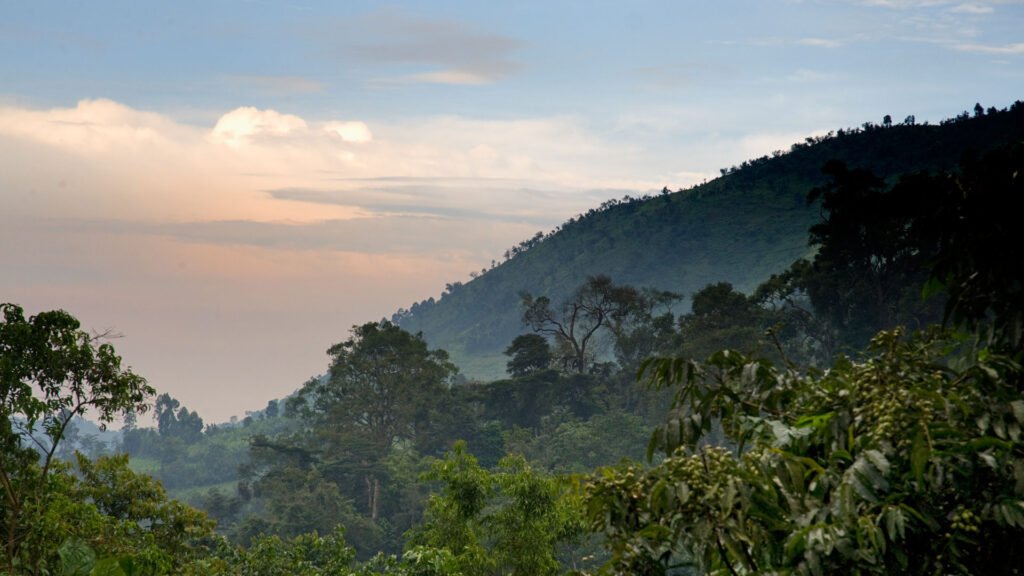
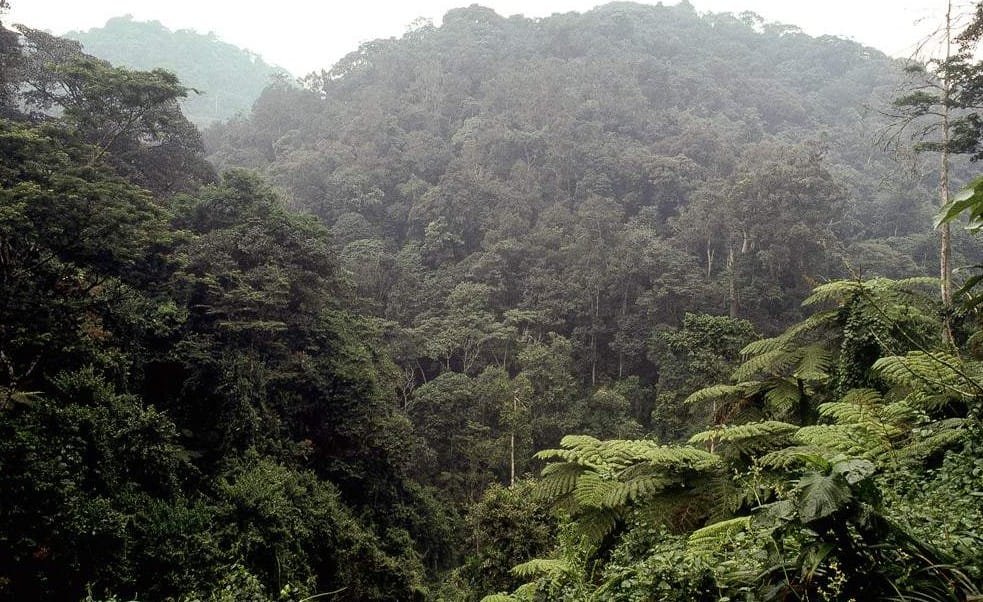
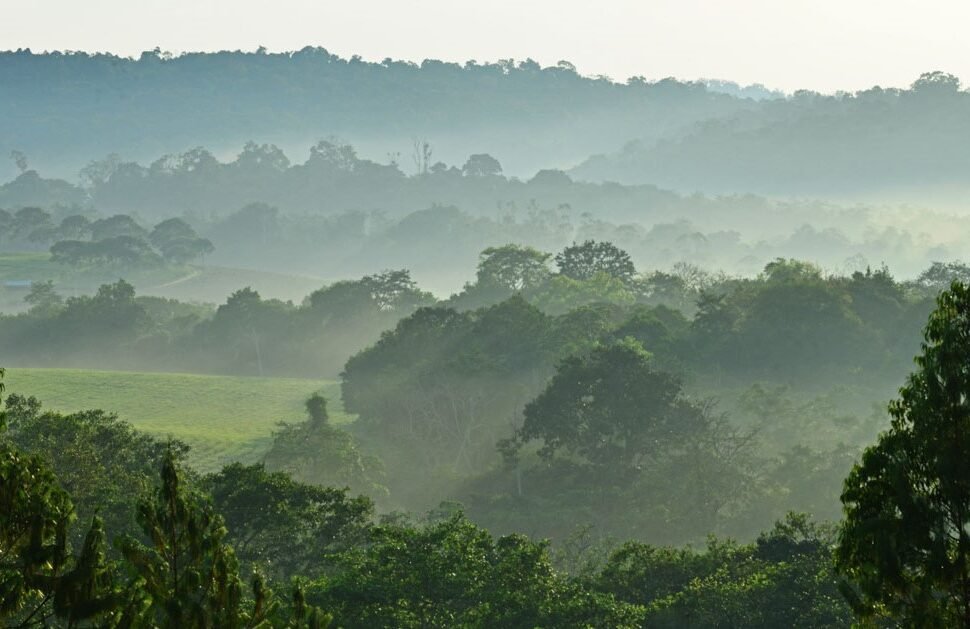
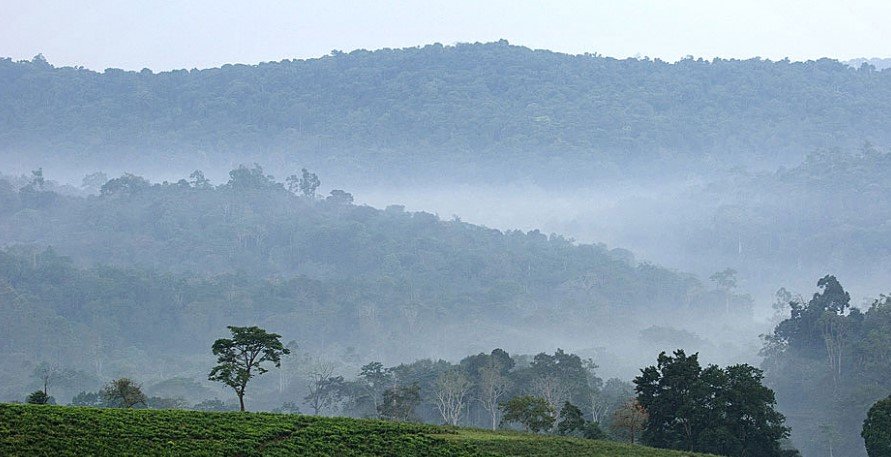
Bwindi Impenetrable National Park sits in south-west Uganda at altitude, in a montane rainforest. That combination shapes three things that affect the trekking experience directly.
Trail conditions. Forest trails are firmer in dry seasons and considerably muddier in wet seasons. The walk to a gorilla family is part of the trek, and a muddy, slippery path is harder at any age. Firmer trails mean an easier morning and more reliable recovery time afterwards.
Visibility. Thinner undergrowth in drier months improves photography and observation of the gorillas once located. Wetter months bring greener, denser vegetation that can obstruct views.
Temperature at altitude. Bwindi is cool rather than hot, and mornings are cold — the pre-dawn briefing at the park headquarters is the coldest part of the day. Rain in any month makes that colder. Travellers who pack for a hot country and arrive to cold, wet mornings are the most common weather-related complaint.
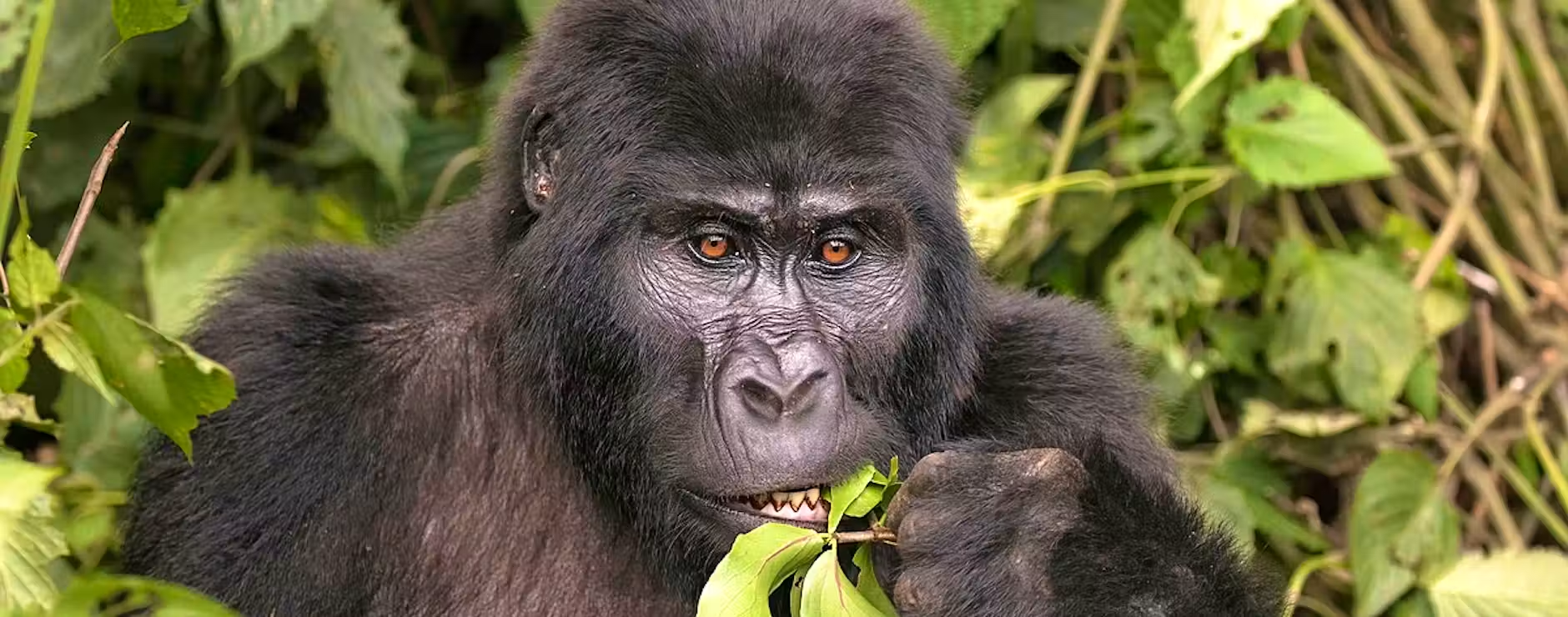
None of this changes the gorillas. They are resident year-round, and the family you trek in a wet month is the same family available in a dry one. Weather affects the experience, not the wildlife. The Uganda gorilla trekking guide covers the trekking day in detail.
Bwindi’s Four Seasons
Uganda’s climate broadly runs on the same pattern as the rest of East Africa. Bwindi, at altitude in the south-west, follows it with the added intensity of being a rainforest.
Short dry season: December to February. Drier, though December often carries residual rain from the preceding short rains. February is a transition month and can see the long rains arrive early.
Long rains: March to May. The wettest period. Trails are muddiest, rain is most frequent, and some routes become difficult. This is the low season for permits and tourism more broadly.
Main dry season: June to September. The most reliable window. Firmer trails, thinner undergrowth and the best conditions for trekking and photography. July is peak demand; August and September offer comparable conditions with slightly less pressure.
Short rains: October to November. Wetter again, but typically less intense than the long rains. November overlaps with the low-season permit pricing.
The seasonal pattern is broad rather than exact. Rain can fall in any month — this is a rainforest — and specific conditions vary year to year. Confirm current conditions before travel with your operator, and treat the seasonal picture as a reliable guide rather than a guarantee.
Bwindi Weather by Month: Trail Conditions and Trekking Notes
The table below gives seasonal patterns and trail conditions rather than specific rainfall or temperature figures. It is designed to help decide which month suits your priorities, not to predict a specific day’s conditions.
| Month | Season | Trail conditions | Trekking notes |
|---|---|---|---|
| January | Short dry season | Generally firm | Good general conditions; popular with New Year holiday demand |
| February | Short dry season (transition) | Generally firm; can soften late in month | Long rains can arrive early — build some slack into the itinerary |
| March | Long rains begin | Softening; muddy in places | Wetter conditions; fewer crowds; permit availability improves |
| April | Long rains | Muddy; some routes difficult | Low-season permit rate of $600; wetter trails and more rain interruptions |
| May | Long rains | Muddy; some routes difficult | Low-season permit rate of $600; rain can be persistent |
| June | Main dry season | Firming; good conditions | Transition into peak season; conditions improve through month |
| July | Main dry season | Firm; best conditions | Peak demand; permits hardest to secure; book months ahead |
| August | Main dry season | Firm; best conditions | Comparable to July with slightly less permit pressure |
| September | Main dry season | Firm; good conditions | Late dry season; undergrowth beginning to thicken |
| October | Short rains begin | Softening | Wetter and quieter; birding improves |
| November | Short rains | Muddy in places | Low-season permit rate of $600; quieter lodges |
| December | Short dry season begins | Firming; residual rain early in month | Holiday period: highest demand of the year |
Important note on this table: it describes seasonal patterns and trail conditions, not specific rainfall or temperature figures. Those vary year to year, and current figures should be confirmed with a meteorological authority or with your operator before travel. This is a planning guide, not a forecast.
What Trail Conditions Actually Mean for Your Trek
Most Bwindi weather content focuses on rainfall figures. What actually matters for the trekking day is trail conditions, and those are worth understanding in more detail.
In dry seasons (June–September, December–February): trails are firmer, and the walk to the gorilla family is generally easier. Steep sections are less slippery. The overall trek feels shorter than in wet months, even when the distance is similar, because footing is more secure.
In wet seasons (March–May, October–November): trails are muddier, and the walk is slower and more demanding. Slippery roots and rocks are common. Trekking poles become genuinely useful rather than optional. Porters become more valuable, particularly for trekkers with balance or joint concerns.
Two points that catch travellers out. First, the amount of walking is not solely determined by weather — the family’s ranging on the day is the bigger factor, and a family that has moved far overnight can produce a long walk in any month. Second, “wet season” does not mean continuous rain. It means a higher probability of rain, with the possibility of dry days in between. Many wet-season treks are perfectly comfortable.
The Rwanda gorilla trekking accommodation guide covers where to base yourself near the gorilla parks, and the same proximity argument applies to Bwindi — a lodge close to the park headquarters makes the early morning briefing considerably less painful in any weather.
Temperature and Altitude
Bwindi is not a hot destination, and travellers who pack accordingly are more comfortable than those who assume all of Africa is warm. The park sits at altitude, and mornings in particular are cool.
Specific temperature figures vary between sources and are not quoted here for the reason given above. What is worth knowing is the pattern:
Mornings are cold. The pre-dawn briefing happens before sunrise, at altitude, and is the coldest part of the day. Warm layers, a waterproof jacket and gloves matter more here than most travellers expect.
Days are mild. Once the sun is up, trekking warms up quickly, and most trekkers are down to fewer layers by mid-morning.
Evenings cool quickly. Lodges at altitude get cold in the evening, particularly in wetter months.
Rain makes it colder. Wet conditions compound the cold, which is why waterproof layers are essential rather than merely advisable.
The practical consequence: pack for cool and wet, not hot and dry. The site’s existing Uganda packing content covers the trekking kit in detail — the climate-specific addition here is that the cold-morning layer matters more in Bwindi than in most of the rest of the country.
What to Pack by Season
The core kit does not change much with season — the forest is wet in any month — but the emphasis shifts.
Year-round essentials: long trousers and long sleeves, sturdy boots with grip, a waterproof jacket, a dry bag for camera gear, insect repellent, and a warm layer for the morning briefing.
Dry-season additions: sun protection matters more than in wet months, since dry-season days can be bright and warm by mid-morning. Trekking poles are useful but less essential.
Wet-season additions: gaiters help with mud. Trekking poles become genuinely useful. A second pair of dry socks and a change of clothes for after the trek are worth carrying — a wet trek followed by a long drive is uncomfortable. A waterproof cover for the daypack matters more than in dry months.
The one piece of kit that is never optional: a dry bag. Camera gear, documents and phones can all be damaged by a single unexpected downpour, and Bwindi is a rainforest regardless of season.
When to Go and Permit Availability
This is the part of the weather decision that most travellers underestimate: the best weather and the best permit availability do not coincide.
The dry seasons — June to September and December to February — offer the best trekking conditions and therefore attract the highest demand. Gorilla permits are capped at eight visitors per gorilla family per day and are date-specific, so dry-season permits fill first. July and the December holiday period are the tightest. Availability is not guaranteed at short notice in those windows.
The wet seasons — March to May and October to November — offer wetter conditions, muddier trails, and considerably better permit availability. They also overlap with Uganda’s low-season pricing, when the gorilla permit drops from $800 to $600 in April, May and November. That is the only genuine seasonal discount in the region’s gorilla pricing. Rwanda’s permit stays at $1,500 in every month.
The trade-off is honest: a wet-season trek will be muddier and more likely to involve rain, but it costs less and is easier to book. For travellers who can manage wet conditions, the wet season is a genuinely good choice rather than a compromise. The permit booking guide covers why the permit date should anchor the trip rather than the accommodation or flights.
What It Costs
Permits and visas are verified; accommodation, transfers and park fees vary. The table separates the two, with a seasonal note where relevant.
| Element | Where | Seasonal note | Price (per person) |
|---|---|---|---|
| Gorilla trekking permit — Uganda | Bwindi Impenetrable NP and Mgahinga Gorilla NP | Standard rate | From $800 |
| Gorilla trekking permit — Uganda (low season) | Bwindi Impenetrable NP and Mgahinga Gorilla NP | April, May and November only | From $600 |
| Gorilla habituation experience — Uganda | Rushaga sector, Bwindi only | Confirm seasonal pricing when booking | From $1,500 |
| Gorilla trekking permit — Rwanda (for comparison) | Volcanoes National Park | No seasonal discount in any month | From $1,500 |
| Uganda e-visa | Applied for at visas.immigration.go.ug | Fixed | $50 |
| East African Tourist Visa | Uganda + Kenya + Rwanda | Fixed | $100 (90 days, multi-entry) |
| Accommodation, transfers, park fees | Bwindi and around | Peak-season pricing in dry months | Confirm current rates when booking |
Permit prices and visa fees are set by the respective authorities and revised periodically — verify current rates before travel. Official sources are the Uganda Wildlife Authority for permits and the immigration portal at visas.immigration.go.ug for the e-visa (verify current requirements before travel — rules change).
One clarification worth repeating: the Uganda–Russia visa waiver announced in October 2026 covers diplomatic and service passports only. It does not apply to ordinary tourist passports and has not yet entered into force.
Frequently Asked Questions
What is the best month to trek Bwindi for gorillas?
The dry-season months — June to September and December to February — give the best trekking conditions. Within that window, July and August are the most popular and hardest to book; September and June offer comparable conditions with slightly less permit pressure.
When is the rainy season in Bwindi?
Uganda’s two wetter periods are broadly March to May (the long rains) and October to November (the short rains). Rain can fall in any month — Bwindi is a rainforest — and specific patterns vary year to year.
Can you trek gorillas in the wet season in Bwindi?
Yes. Trekking runs year-round and wet-season treks are common. The trails are muddier and rain is more likely, but the gorillas are the same and the experience is entirely feasible. Wet-season permits are also cheaper and more available.
How cold does it get in Bwindi?
Bwindi is at altitude and is cool rather than hot. Mornings, particularly before dawn at the park briefing, are the coldest part of the day. Specific temperature figures vary between sources — check current conditions with your operator before travel.
What should I pack for Bwindi weather?
Long trousers and long sleeves, sturdy boots with grip, a waterproof jacket, a warm layer for the cold morning briefing, a dry bag for camera gear, insect repellent. In wet months, add gaiters, trekking poles, and a change of dry clothes for after the trek.
What are the trail conditions like in Bwindi?
Firmer in dry seasons, considerably muddier in wet seasons. The walk to a family also varies by where the family has ranged overnight, so a family that has moved far produces a longer walk in any month.
Does weather affect gorilla permits?
Weather affects demand and availability. Dry-season permits fill faster because conditions are better. Wet-season permits are more available and cheaper in Uganda (April, May, November) — Rwanda’s permit does not discount in any month.
Is Bwindi worth visiting in the wet season?
Yes — particularly for travellers who prioritise availability, budget and fewer crowds over ideal trail conditions. The gorillas are the same, and the rainforest in the wet season is genuinely beautiful. Prepare for mud and rain rather than assuming it will be a problem.
How to Book
Decide which season suits your priorities — dry-season conditions or wet-season pricing and availability — then secure the permit date first, because permits are date-specific and capped at eight visitors per gorilla family. Availability is not guaranteed at short notice in the dry months. Afraeka Adventures is a licensed Ugandan operator based in Entebbe and Kampala, running safaris and primate trekking in Uganda, Rwanda, Kenya and Tanzania since 2018.
Contact Afraeka Adventures at info@afraekaadventures.com or use the enquiry form on our website with your dates, group size and whether dry-season conditions or wet-season pricing matter more to you. Useful starting points:
- Uganda gorilla trekking — the main trekking guide
- Rwanda gorilla trekking permit booking — securing the permit date
- Rwanda gorilla trekking accommodation — where to base yourself near the gorilla parks
- Uganda safari packages — itineraries that include Bwindi
- Uganda visa requirements — the e-visa and EATV arithmetic
- All tour packages
- Enquiry form