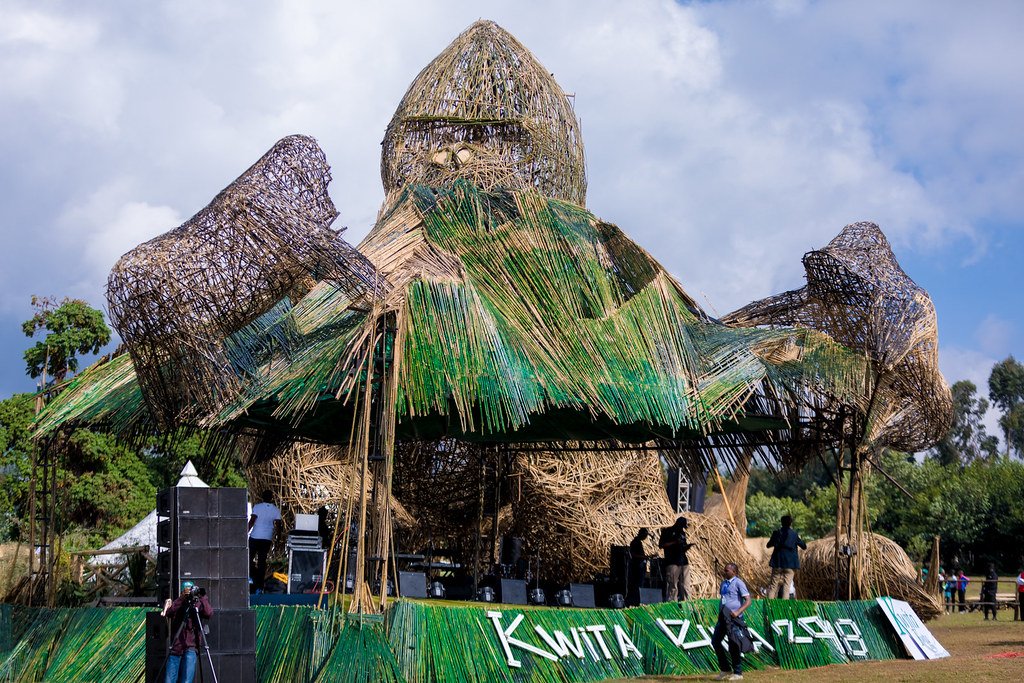
Kwita Izina is Rwanda’s annual gorilla naming ceremony — a public event held near Volcanoes National Park at which newborn mountain gorillas born in the previous year are given names. The phrase means “to give a name” in Kinyarwanda, and the ceremony has become one of Rwanda’s most visible conservation events, drawing government figures, conservationists, celebrities and members of the public together in Kinigi each year.
This guide explains what the ceremony is, why it exists, when and where it happens, and how a traveller planning a Rwanda trip can think about attending. It is honest about the limits: specific dates, venue access arrangements and ticket details for any given year are set by the organisers and should be confirmed with the Rwanda Development Board before making travel plans around the event. What follows is the background that makes the event worth understanding, and the planning framework for anyone considering it.
What Kwita Izina Actually Is
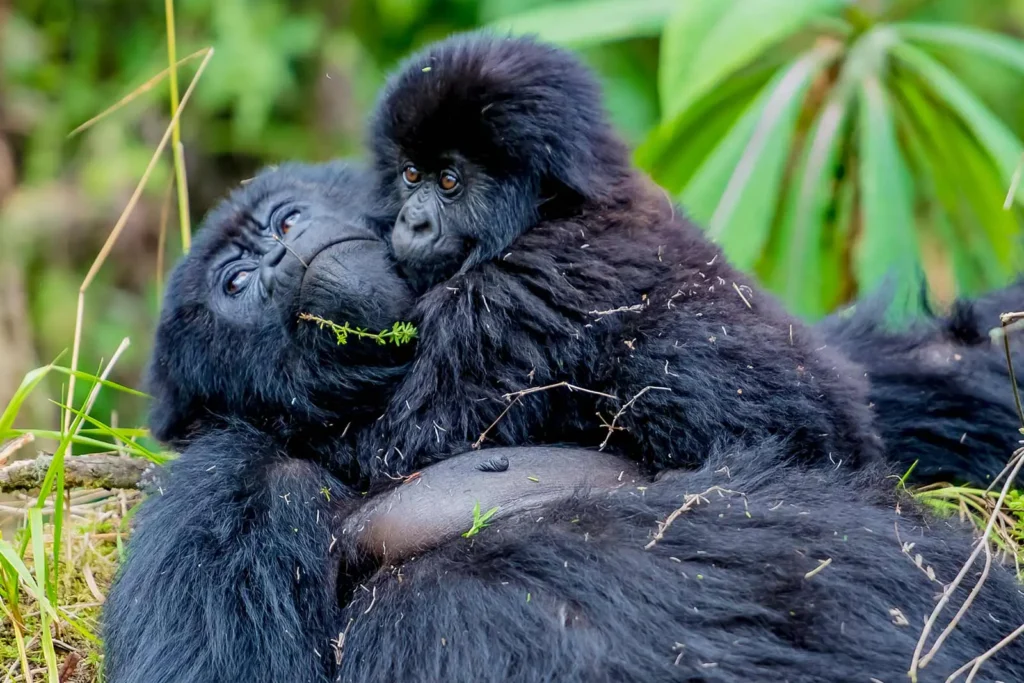
At its core, Kwita Izina is a naming ceremony. Each year, mountain gorillas born in Rwanda’s Volcanoes National Park during the previous twelve months are formally named in a public event. Each name is chosen — often by a sponsor, a conservation figure or a public figure — and carries meaning: a reference to the gorilla’s family, its circumstances, or a Rwandan value or aspiration.
The event itself has grown well beyond the naming. It typically includes speeches from government and conservation leadership, performances, and a wider celebration of Rwanda’s conservation record. It has become a fixture in Rwanda’s national calendar and a significant moment for the tourism sector, drawing international attention to the country’s gorilla conservation work.
The ceremony is organised under the Rwanda Development Board, which also oversees the country’s national parks and gorilla permits. That connection matters for travellers: the same authority that issues gorilla permits runs the ceremony, and information about the event is published through the same channels.
Why Rwanda Names Its Gorillas
The naming ceremony has three overlapping purposes, and understanding them explains why it has become such a significant event.
Conservation awareness. Mountain gorillas are a small, fragile population — approximately 1,000 individuals globally, found only in Uganda, Rwanda and the Democratic Republic of Congo. Naming each new gorilla is a way of drawing public attention to the population’s slow recovery and to the work that recovery requires. The ceremony is, in effect, an annual public statement about conservation.
Community connection. The ceremony brings together the communities living around Volcanoes National Park, conservation organisations, government and the tourism sector. That is not incidental — gorilla conservation depends on the people who live closest to the park benefiting from the park’s existence, and the ceremony is one of the ways that relationship is maintained and celebrated.
National identity and tourism. Kwita Izina has become part of how Rwanda presents itself internationally. It draws media coverage, visiting dignitaries and tourism attention, and it reinforces the country’s positioning as a conservation-led destination. That positioning matters commercially as well as culturally — gorilla tourism is one of Rwanda’s most significant tourism products, and the permit price reflects the demand it generates.
For a traveller considering a Rwanda trip, the ceremony is worth understanding because it is a genuine expression of how the country relates to its wildlife rather than a staged tourism event.
When and Where It Happens
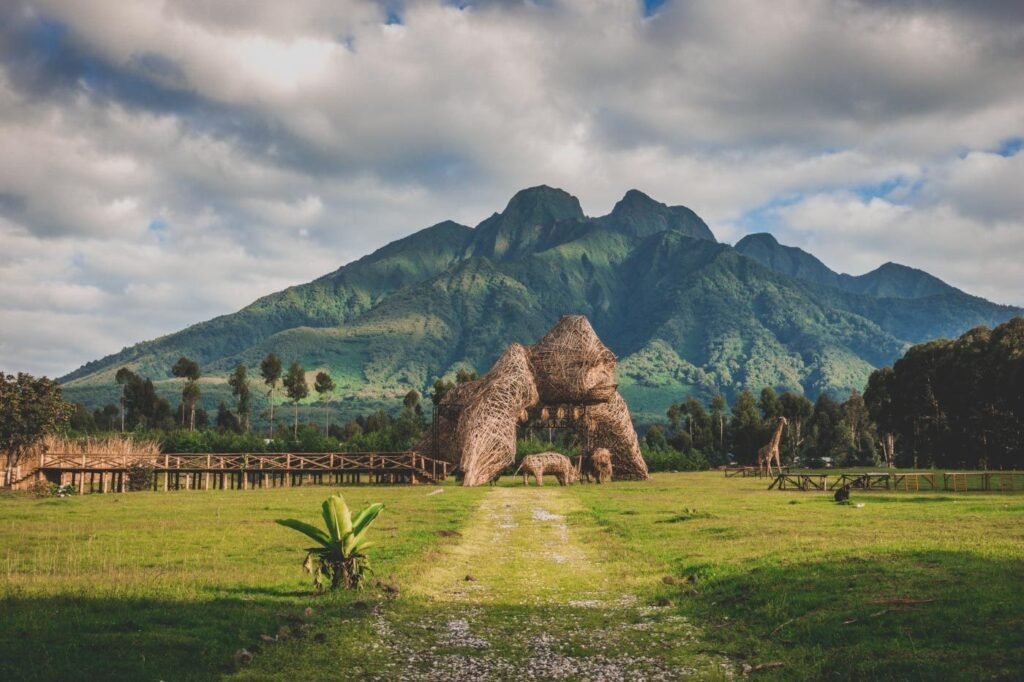
The ceremony is held annually, typically in September, near Volcanoes National Park — the park where Rwanda’s mountain gorillas live. The venue is in the Kinigi area, close to the park headquarters where gorilla trekking briefings take place.
Specific dates vary year to year and should be confirmed with the Rwanda Development Board before making travel plans. The ceremony is a public event, and the organisers publish current information through official channels. Treat any date you see in a secondary source — including general articles — as indicative rather than confirmed.
There are two practical consequences for travellers.
If you want to attend the ceremony, confirm the current year’s arrangements directly. The RDB is the authoritative source on dates, venue access, whether tickets are required, and whether international visitors can attend as members of the public. I cannot confirm these details in this article, because they change annually and are set by the organisers rather than by any operator.
If you are trekking gorillas in September, check whether your dates overlap with the ceremony. The ceremony draws significant visitor numbers to the Kinigi area, and accommodation near the park fills earlier around the event than in a normal September week. It does not affect gorilla trekking itself — permits and trekking schedules are managed separately — but it does affect the availability and pricing of lodges in the immediate area.
Can Travellers Attend?
This is the question most travellers searching for Kwita Izina actually want answered, and the honest answer is that it depends on the year and requires confirmation from the organisers.
Kwita Izina has historically been a public event, with attendance by members of the public, dignitaries, conservation partners and the media. Whether international visitors can attend as members of the public, whether advance registration or tickets are required, and what the venue arrangements are for any given year are matters for the Rwanda Development Board.
The article cannot state a definitive position for a specific year, because doing so would risk being out of date or wrong. What it can say is that attendance has generally been possible in some form, and that the right approach is to confirm current arrangements with the RDB or through a licensed operator who can check directly.
Two practical notes for anyone considering planning a trip around the event.
Do not build a trip around the ceremony alone. Even in years when attendance is straightforward, the event is one day. The value of a Rwanda trip lies in the trekking, the parks and the wider experience. Attending the ceremony is a genuine addition if it aligns, but it is not a substitute for a gorilla trek.
Gorilla permits are a separate system. Attending the ceremony does not secure a gorilla trekking permit, and holding a permit does not automatically give access to the ceremony. The two are managed separately, and any trip that intends to include both needs each one arranged on its own terms.
Kwita Izina and Gorilla Trekking
For travellers whose Rwanda trip is built around gorilla trekking — which is most of them — the relationship between the ceremony and the trek is worth understanding.
The ceremony names gorillas that were born the previous year. The gorillas being named at a given ceremony are not the ones visitors will trek that week. The families being named are part of the broader population that Volcanoes National Park protects, and the newly named gorillas become part of the park’s long-term conservation story rather than immediate tourism.
Permits and ceremony attendance are managed separately. As noted above, holding a gorilla permit does not give access to the ceremony, and attending the ceremony does not secure a permit. A trip that aims to include both needs each arranged independently.
The permit rules do not change around the ceremony. The minimum age for mountain gorilla trekking is 15. The maximum group size per gorilla family is eight visitors. The standard trek gives one hour with the gorillas. These are fixed regardless of what else is happening in the park that week, and the ceremony does not create exceptions.
For the trek itself — the briefing, the walk, the hour — the site’s guide to Rwanda gorilla trekking covers the day in detail. The guide to Rwanda’s gorilla families covers how families are allocated and how they differ.
Planning a Trip Around Kwita Izina
If attending the ceremony is a priority, the trip needs to be planned slightly differently from a standard Rwanda gorilla trip.
Step one: confirm the date. Contact the Rwanda Development Board or check their official channels for the current year’s ceremony date. Without a confirmed date, any trip planning around the ceremony is guesswork.
Step two: confirm attendance arrangements. Ask the RDB directly whether members of the public — including international visitors — can attend, what registration or ticketing is required, and what the venue access looks like. Do not assume based on previous years, since arrangements can change.
Step three: secure the gorilla permit separately. If you want to trek gorillas during the same trip, the permit is date-specific and capped at eight visitors per gorilla family. Availability is not guaranteed at short notice. Build the trek around the confirmed ceremony date if possible, or accept that the two might fall on different days. The permit booking guide covers why the permit should be secured before anything else.
Step four: book accommodation early. The Kinigi area has limited accommodation, and the ceremony draws visitor numbers. Lodges near the park fill earlier around the event than in a normal week of the same month. The accommodation guide covers where to base yourself.
Step five: build in flexibility. If the ceremony date is confirmed early, the trip can be planned precisely. If it is confirmed late, or if attendance arrangements are unclear until close to the event, a Rwanda itinerary that can shift by a day or two is much more workable than one with tight connections.
What It Costs
The ceremony itself is not something an operator can price, because the cost of attending — if there is a cost — is set by the organisers and changes year to year. The table separates the verified costs of a Rwanda trip from the event-specific costs that must be confirmed.
| Element | Where | Price (per person) |
|---|---|---|
| Gorilla trekking permit — Rwanda | Volcanoes National Park | From $1,500 (no low-season discount) |
| Gorilla trekking permit — Uganda (for comparison) | Bwindi Impenetrable NP and Mgahinga Gorilla NP | From $800 (From $600 in April, May and November) |
| Gorilla habituation experience — Uganda (for comparison) | Rushaga sector, Bwindi only | From $1,500 |
| Rwanda e-visa | Applied for at irembo.gov.rw | $50 single entry / $70 multiple entry |
| East African Tourist Visa | Uganda + Kenya + Rwanda | $100 (90 days, multi-entry) |
| Kwita Izina attendance | Kinigi, near Volcanoes National Park | Confirm current arrangements with the Rwanda Development Board |
| Accommodation, transfers, park fees | All areas | Confirm current rates when booking |
The event row is deliberately left unquantified, because the arrangements vary year to year and inventing a figure would mislead. Confirm with the RDB before building a trip around the ceremony.
Permit prices and visa fees are set by the respective authorities and revised periodically — verify current rates before travel. Official sources are the Rwanda Development Board for permits and the ceremony, and the immigration portal at irembo.gov.rw for the e-visa (verify current requirements before travel — rules change).
One clarification worth repeating because it circulates widely: the Uganda–Russia visa waiver announced in October 2026 covers diplomatic and service passports only. It does not apply to ordinary tourist passports and has not yet entered into force.
Frequently Asked Questions
What is Kwita Izina?
Rwanda’s annual gorilla naming ceremony, held near Volcanoes National Park. Newborn mountain gorillas born in the previous year are formally named, and the event draws government, conservation and public attention. The phrase means “to give a name” in Kinyarwanda.
When is Kwita Izina held?
Typically in September, but specific dates vary year to year and should be confirmed with the Rwanda Development Board before making travel plans. Do not rely on dates from secondary sources.
Where is Kwita Izina held?
In the Kinigi area, near Volcanoes National Park headquarters in Musanze district, Rwanda. The location is the same general area where gorilla trekking briefings take place.
Can tourists attend Kwita Izina?
Historically the ceremony has been a public event, but attendance arrangements vary year to year. Confirm current arrangements with the Rwanda Development Board directly before planning a trip around the ceremony.
Do I need a gorilla permit to attend Kwita Izina?
No — the ceremony and gorilla trekking permits are managed separately. Attending the ceremony does not secure a permit, and holding a permit does not automatically give access to the ceremony.
Are the gorillas named at Kwita Izina the ones I will trek?
Not necessarily. The gorillas being named were born the previous year, and they are part of the broader population that Volcanoes National Park protects. The families visitors trek are separately managed by the park.
Why does Rwanda name its gorillas?
The ceremony serves conservation awareness, community connection and national identity. It is an annual public statement about the importance of gorilla conservation and the role of the communities living around the park.
Does Kwita Izina affect gorilla trekking permits?
It does not change permit prices or trekking rules, which are fixed regardless of the event. It does affect accommodation availability in the Kinigi area around the ceremony, because the event draws visitors. Book lodges early if the dates overlap.
How to Book
A Rwanda trip that includes Kwita Izina needs two separate things arranged: the ceremony attendance (confirm with the Rwanda Development Board) and the gorilla permit (secure with an operator). Build the trip around whichever of the two is hardest to move — usually the permit, because permits are date-specific and capped at eight visitors per gorilla family. Afraeka Adventures is a licensed Ugandan operator based in Entebbe and Kampala, running safaris and primate trekking in Uganda, Rwanda, Kenya and Tanzania since 2018.
Contact Afraeka Adventures at info@afraekaadventures.com or use the enquiry form on our website with your dates, group size and whether attending Kwita Izina is a priority for the trip. Useful starting points:
- Rwanda gorilla trekking — the trekking guide
- Rwanda’s gorilla families — how families are allocated
- Rwanda gorilla trekking permit booking — securing the permit date
- Rwanda gorilla trekking accommodation — where to base yourself
- Rwanda safaris — the wider picture
- All tour packages
- Enquiry form