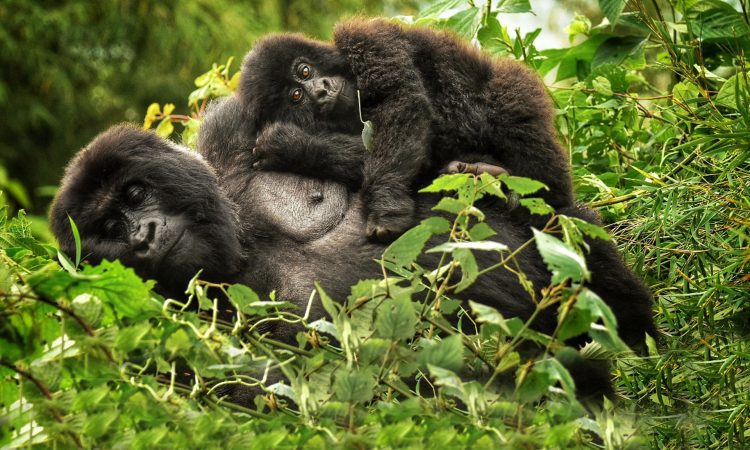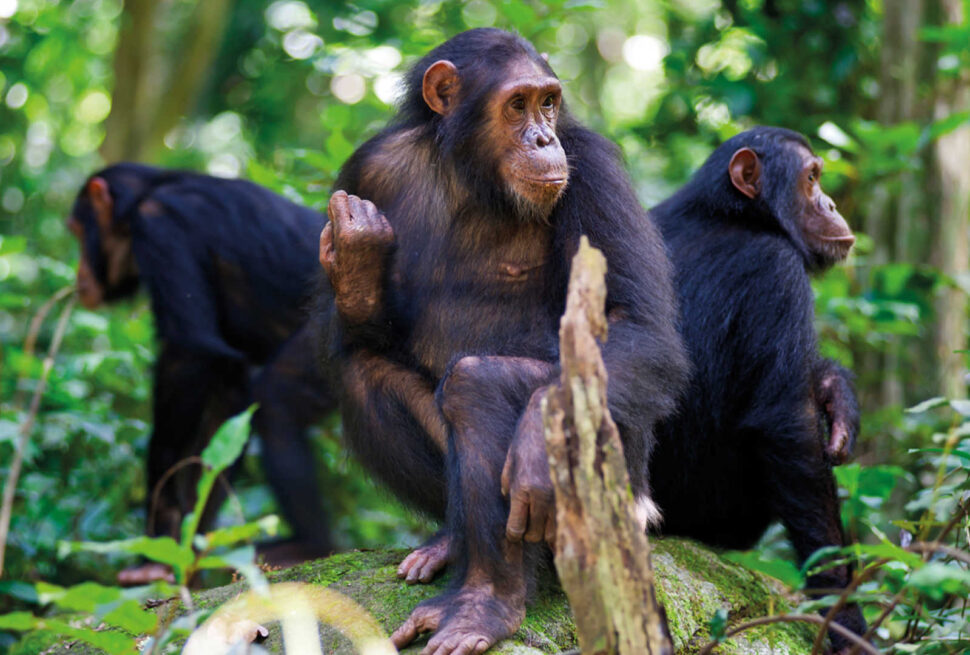
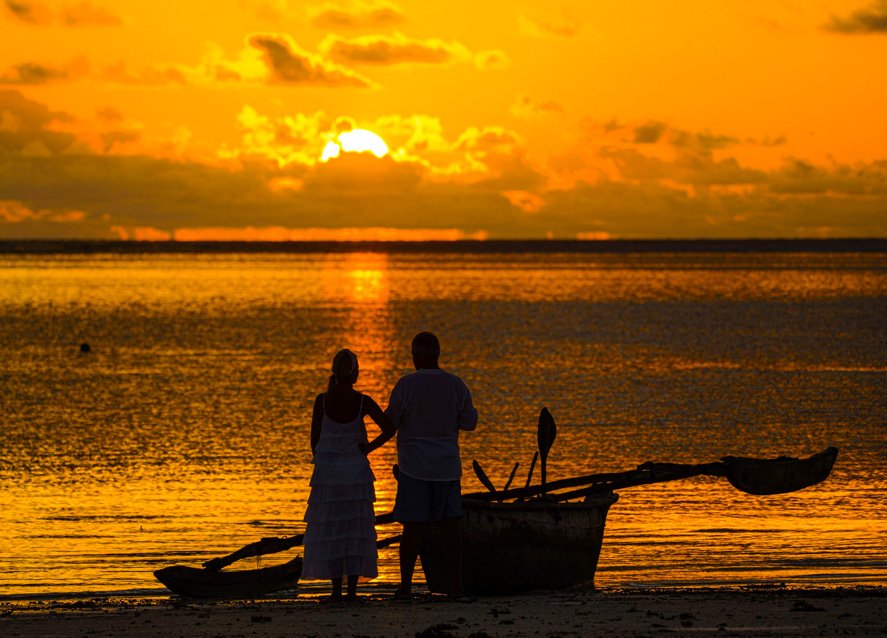
Quick answer: Lake Kivu, on Rwanda’s western border with the Democratic Republic of Congo, is not a trophy sport-fishing lake. Its fishing highlight is cultural: each evening, local fishermen paddle out in linked wooden boats to catch small sardine-like fish called isambaza, often singing rhythmic songs as they go. Visitors in Rubavu (Gisenyi) and Karongi (Kibuye) can watch from the shore, arrange a boat trip to see the fleet up close, and taste isambaza at lakeside restaurants. The lake pairs naturally with gorilla trekking in Volcanoes National Park and Nyungwe Forest chimpanzee tracking.
- Location
- Western Rwanda, shared with DR Congo
- Elevation
- 1,460 metres above sea level
- Area
- About 2,700 km²
- Main towns
- Rubavu (Gisenyi), Karongi (Kibuye), Rusizi (Cyangugu)
- Famous fishery
- Isambaza (Limnothrissa miodon) — small sardine-like fish
- Best experience
- Evening fishing boats with songs at sunset
- Combine with
- Volcanoes NP gorillas, Nyungwe chimps, Kigali
Lake Kivu is one of Africa’s great lakes — a vast, deep body of fresh water set among steep green hills between Rwanda and the Democratic Republic of Congo. While it lacks the big predator fish that make Uganda’s Murchison Falls a sport-fishing destination, it offers something no other lake in East Africa does: a centuries-old fishing tradition that turns into a nightly spectacle of song, lamplight and teamwork on the water. For anyone visiting Rwanda, Lake Kivu is worth at least one night — and for fishing enthusiasts, the isambaza fishermen are a cultural experience that connects sport fishing to the deeper story of how African communities live with their lakes.
The isambaza fishermen
Isambaza (Limnothrissa miodon) are small, sardine-like fish that were introduced to Lake Kivu from Lake Tanganyika in the 1950s. They have since become the lake’s most important commercial fish and a dietary staple across the region.
How isambaza fishing works
- Evening departure: As the sun sets, crews of fishermen gather at the shore and paddle out in groups of wooden canoes, often linked together by long poles to form floating platforms.
- Pressure lamps: Each boat carries a pressure lamp. At night, the lamps are lit and suspended over the water. The light attracts zooplankton, which in turn attracts the isambaza.
- Seine nets: When enough fish have gathered beneath the lights, the crews deploy large seine nets to encircle and scoop them up. The operation requires coordination between boats.
- Singing: Many fishing crews sing rhythmic songs as they paddle out and while they work. The songs coordinate the paddling and net handling, and they carry across the water at dusk — one of the most atmospheric sounds in Rwanda.
- Morning return: Boats return in the early morning with their catch, which is immediately sorted and either sold fresh, sun-dried on racks along the shore, or transported to markets.
Watching the fishermen
The best time to watch is late afternoon into early evening, when the boats head out. From the shore at Rubavu or Karongi, you can see the fleet forming and hear the songs begin. At night, the lake is dotted with the warm glow of pressure lamps — a scene that photographs beautifully from hotel terraces.
Some lakeside lodges and boat operators offer evening boat trips that take you closer to the fishing fleet. You watch from a safe distance as the crews work — the lamplight, the nets, the silhouettes against the water. It is one of Rwanda’s most memorable cultural experiences.
Eating isambaza
Isambaza appear on menus at lakeside restaurants and lodges throughout western Rwanda:
- Fried isambaza: Whole, crispy, often served with lemon and chilli — similar to whitebait. The most common preparation.
- Dried isambaza: Sun-dried fish sold in markets across the country. A protein-rich snack and ingredient.
- Isambaza in sauce: Cooked in tomato or peanut sauce and served with rice or ugali.
Trying isambaza is part of the Lake Kivu experience. They are small, mild-flavoured and often served as a starter or side dish.
Can you go sport fishing on Lake Kivu?
Lake Kivu is not a sport-fishing destination in the way that Murchison Falls or Lake Victoria are. The lake does not hold Nile perch, tigerfish or other large predator species that sport anglers target.
However, some lodges and boat operators can arrange simple fishing trips for tilapia and other small species. These are relaxed, low-key outings — more about the scenery and the experience than the catch.
If you want serious sport fishing alongside your Rwanda gorilla trekking trip, the best option is to combine Rwanda with Uganda:
- Sport fishing at Murchison Falls — trophy Nile perch and tigerfish
- Lake Victoria fishing from Entebbe — Nile perch charters
- Nile perch fishing guide
- 5-Day Uganda and Rwanda Gorilla Safari
Where to stay on Lake Kivu
Rubavu (Gisenyi)
The most developed lakeside town, about 1.5 hours from Volcanoes National Park (gorilla trekking). Rubavu has a mix of budget guesthouses, mid-range hotels and upmarket resorts, many with lakefront locations, swimming areas and views of the fishing boats. The hot springs at the lake’s edge are worth a visit.
Karongi (Kibuye)
Quieter and more scenic than Rubavu, with islands and forested bays. Karongi sits roughly midway along Rwanda’s Lake Kivu shoreline. It is less developed for tourism, which appeals to travellers seeking tranquillity. Boat trips to the islands are a highlight.
Rusizi (Cyangugu)
In the south, near the Congolese border and Nyungwe National Park. Rusizi is the least-visited of the three main lake towns, but it has decent accommodation and provides easy access to Nyungwe for chimpanzee tracking and canopy walks.
Other things to do on Lake Kivu
- Kayaking and paddleboarding: The calm lake is ideal for water sports. Many hotels offer equipment or guided trips.
- Island boat trips: Several islands near Karongi and Rubavu offer half-day excursions with swimming, walking and lunch.
- Swimming: Lake Kivu is generally safe for swimming at resort areas — free of crocodiles and bilharzia. The water is warm and fresh.
- Congo Nile Trail: A multi-day hiking and cycling trail along the lake’s eastern shore, passing through villages, tea plantations and forest. It can be done in sections.
- Hot springs: Natural hot springs near Rubavu where geothermally heated water bubbles up at the lake’s edge.
- Coffee tours: Rwanda is famous for its specialty coffee. Several plantations near the lake offer tours from picking to cupping.
Combining Lake Kivu with gorillas and other Rwanda highlights
Lake Kivu + Volcanoes NP (gorillas)
The most popular combination: trek gorillas in Volcanoes National Park, then drive 1.5 hours to Rubavu for a night or two on the lake. It works as a decompression after the intensity of a gorilla trek.
See our 3-Day Rwanda Gorilla Safari from Kigali and 4-Day Gorillas and Golden Monkeys Safari.
Lake Kivu + Nyungwe (chimpanzees)
From Karongi or Rusizi, Nyungwe National Park is 2–3 hours away. Combine lake relaxation with chimpanzee tracking and the famous canopy walk.
Full Rwanda circuit
Kigali → Volcanoes NP (gorillas) → Rubavu / Lake Kivu → Karongi → Nyungwe (chimps) → Kigali. This route covers Rwanda’s main highlights in 7–10 days.
See our 5-Day Rwanda Luxury Gorilla Safari.
Getting to Lake Kivu
- From Kigali: About 3 hours to Rubavu by road (good tarmac). About 4–5 hours to Karongi.
- From Volcanoes NP (Musanze): About 1.5 hours to Rubavu.
- From Nyungwe NP: About 2–3 hours to Rusizi or Karongi.
- From Uganda (crossing at Cyanika or Katuna): Rubavu is close to the Cyanika border post. Travellers coming from Lake Bunyonyi can cross into Rwanda and reach the lake in a few hours.
Frequently asked questions
When can I see the fishing boats on Lake Kivu?
Late afternoon and early evening, when crews head out for the night. The departure is the most photogenic moment. At night, you can see the lamplight on the water from your hotel terrace.
Can I join the isambaza fishermen?
Joining a working crew is not usually possible — it is a physically demanding, skilled operation. But some boat operators offer evening trips that take you close to the fleet, letting you watch and listen from a comfortable distance.
Is Lake Kivu safe for swimming?
Yes, at resort and designated swimming areas. The lake is free of crocodiles and bilharzia. However, the lake has dissolved gases (CO₂ and methane) at depth — this is not a hazard for swimmers on the surface, but it is the reason the lake has no large predators.
Can I combine Lake Kivu with sport fishing in Uganda?
Yes. The Uganda–Rwanda border crossings make it feasible to fish in Uganda (Murchison Falls, Lake Victoria, Jinja) and then cross to Rwanda for gorillas and Lake Kivu, or vice versa. See our 5-Day Uganda and Rwanda Gorilla Safari.
Want gorillas and a Lake Kivu escape? We plan Rwanda trips that include gorilla trekking and lakeside relaxation.