Last updated: 30 September 2026. Park fees, permit rules and seasonal access are set by the respective wildlife authorities — confirm before booking.
Short answer: A Uganda vs Kenya safari decision usually comes down to what you want to see. Kenya is the classic savannah safari — the Maasai Mara, the Great Migration, and big cats on open plains. Uganda is the primate and rainforest safari — mountain gorillas in Bwindi, chimpanzees in Kibale, and golden monkeys in Mgahinga — with savannah parks like Queen Elizabeth and Murchison Falls as a secondary draw. Kenya is generally easier to combine with a beach. Uganda is one of only two countries where you can trek mountain gorillas and chimpanzees in the same trip.
Both countries sit in East Africa, both offer the big five, and both run year-round safari circuits. But they are not interchangeable, and travellers who treat them as variations on the same trip often end up disappointed — usually because they booked the wrong country for what they actually wanted to see. The comparison is not about which is “better.” It is about which fits the trip you are planning.
This guide covers what actually differs between a Uganda vs Kenya safari — the wildlife, the landscapes, the cost structure, the seasons, the first-timer fit, and how to combine the two. It is written for travellers who are deciding between them, not for travellers who have already booked. For the wider Uganda picture, see our Uganda destinations page. The regulatory framework for Uganda’s parks is published by the Uganda Wildlife Authority.
Uganda vs Kenya safari — key facts
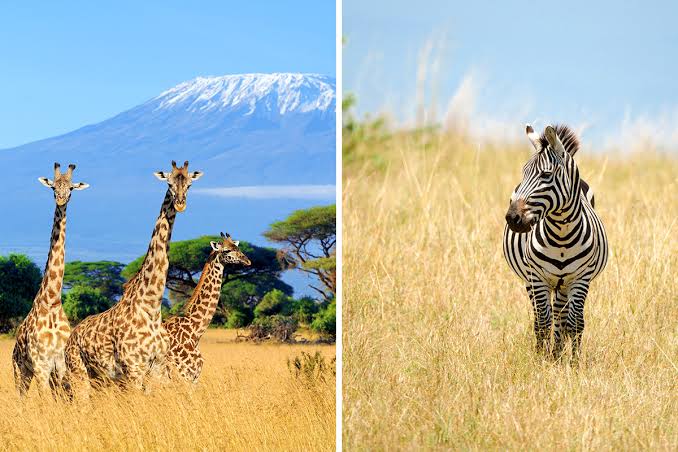
- Kenya headline draw: The Maasai Mara and the Great Migration (roughly July–October)
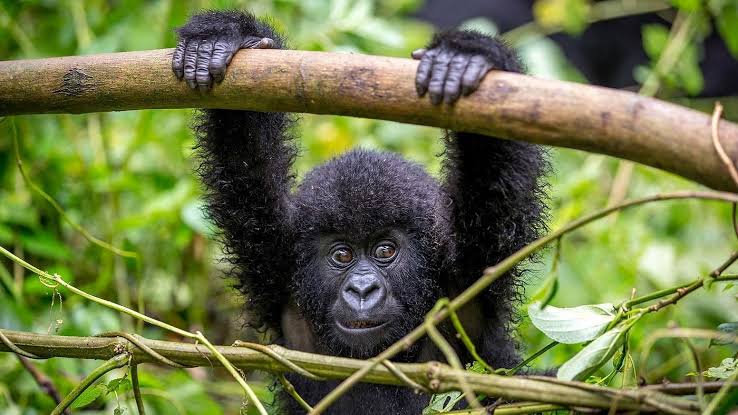
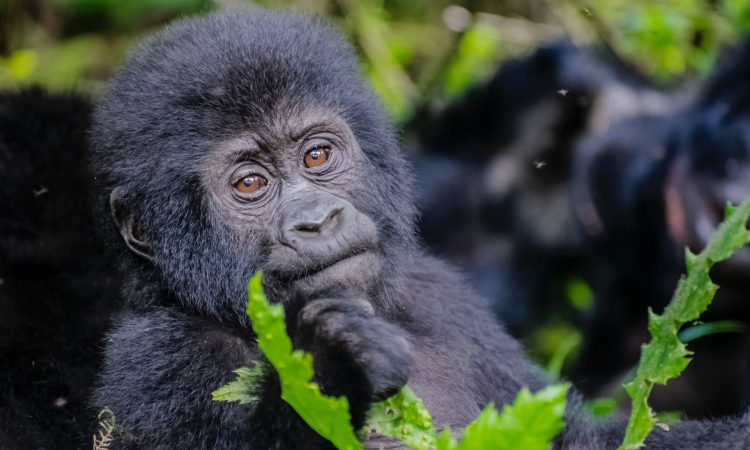
- Uganda headline draw: Mountain gorillas in Bwindi and chimpanzees in Kibale
- Big five: Both countries offer all five — lion, leopard, elephant, buffalo, rhino
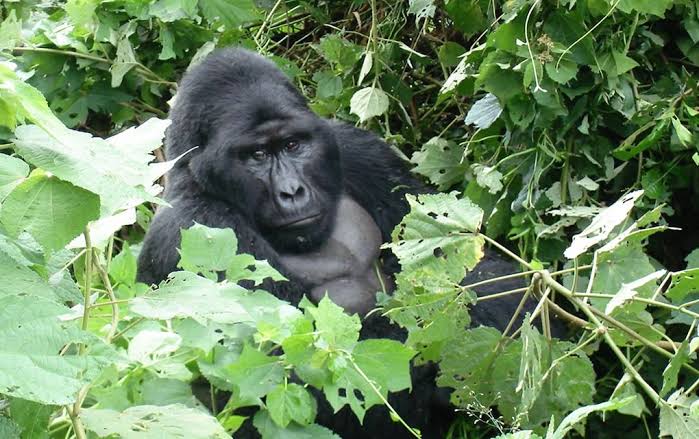
- Gorillas: Uganda yes; Kenya no (no mountain gorillas in Kenya)
- Chimpanzees: Uganda has wild, habituated troops at Kibale; Kenya has a sanctuary, not wild trekking
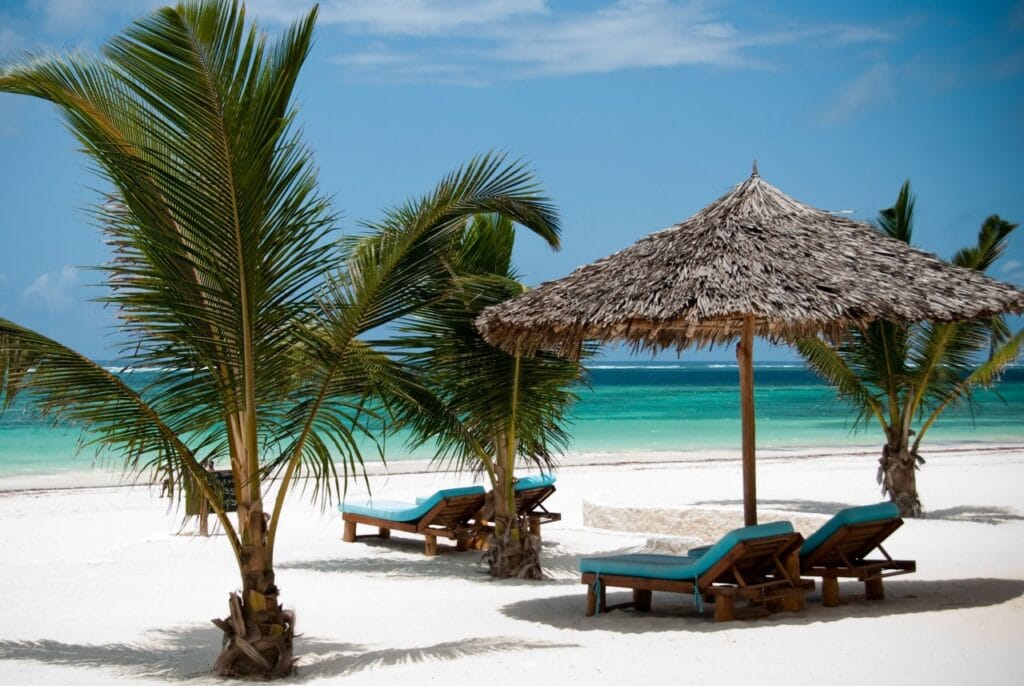
- Beach add-on: Kenya — yes (Diani, Mombasa, Lamu); Uganda — no coastline
- Cost structure: Kenya lower per-day on the classic circuit; Uganda higher because of permit costs
- Best combined with: Kenya + Tanzania; Uganda + Rwanda
- Trip length: Both work from 4 days to 3 weeks; Kenya is easier for short trips
Uganda vs Kenya safari — what is the core difference?
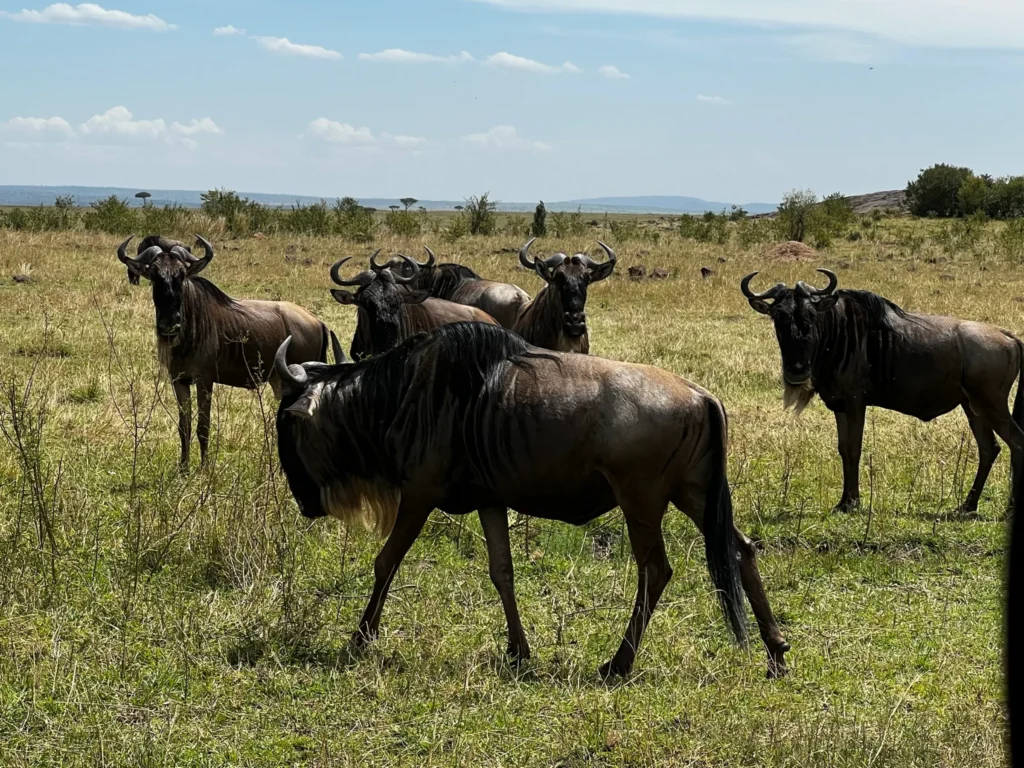
The core difference in a Uganda vs Kenya safari comes down to landscape and wildlife type. Kenya is savannah — open plains, big skies, and predators on display. Uganda is forest and wetland — rainforest primates, riverine game drives, and a landscape that is greener and more enclosed. The classic Kenyan safari is about wide horizons. The classic Ugandan safari is about close-range encounters in forest.
Three distinctions matter most:
- Wildlife type. Kenya’s strength is big cats and open-plains herbivores — lion, cheetah, leopard, elephant, buffalo and the migration herds. Uganda’s strength is primates, with mountain gorillas and chimpanzees as the headline species and a strong supporting cast of savannah wildlife in Queen Elizabeth, Murchison Falls and Kidepo.
- Landscape and pacing. Kenyan safaris are usually structured around morning and evening game drives with long midday breaks — the model travellers picture when they think of a safari. Ugandan safaris are often structured around trekking days, which are single-morning activities with a lot of walking and a more variable outcome.
- Predictability. A Kenyan game drive almost always delivers large mammals within a day or two. A gorilla or chimpanzee trek delivers its target species reliably — that is what permits are sold on — but the trek itself is harder, longer and less predictable in duration than a game drive.
The practical implication is that travellers who want the postcard safari — vehicles, plains, big cats, sundowners — usually find Kenya delivers it more cleanly. Travellers who want a wildlife encounter they cannot get anywhere else usually find Uganda delivers that. Many travellers want both, and the two countries combine well, which the combination section below covers.
Which country is better for wildlife?
Kenya is better for big cats and open-plains wildlife. Uganda is better for primates and forest species. Neither is better overall — they are strong at different things, and the honest answer depends entirely on which species matter most to you.
| Species group | Kenya | Uganda |
|---|---|---|
| Mountain gorillas | No | Yes — Bwindi, Mgahinga |
| Chimpanzees (wild trekking) | Sanctuary only | Yes — Kibale, Budongo, Kyambura |
| Golden monkeys | No | Yes — Mgahinga |
| Lion | Strong | Good — Queen Elizabeth, Murchison, Kidepo |
| Leopard | Strong | Present, less reliable |
| Cheetah | Strong (Maasai Mara, Amboseli) | Limited — Kidepo mainly |
| Elephant | Strong | Good |
| Rhino (wild or sanctuary) | Good — Ol Pejeta, Lake Nakuru | Sanctuary — Ziwa |
| Great Migration | Yes — Maasai Mara (Jul–Oct) | No |
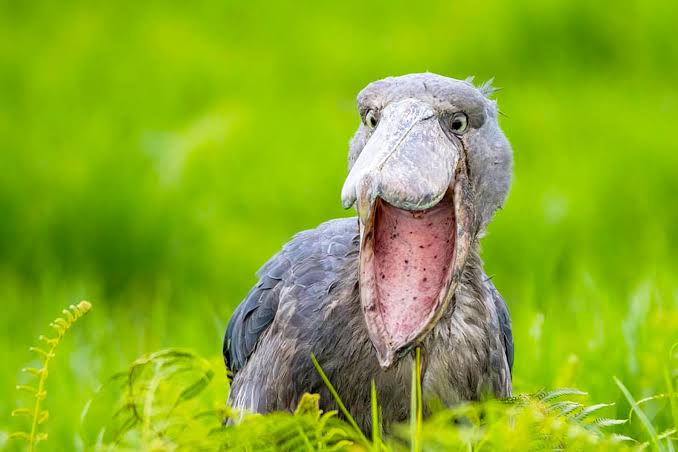
| Birdlife | Strong | Very strong — 1,000+ species |
Comparison is qualitative. Specific sightings depend on season, park and luck.
Two conclusions follow. First, if mountain gorillas or chimpanzees are on your list, Kenya cannot deliver them — Uganda (or Rwanda) is the only option. Second, if the Great Migration, big-cat density, or open-plains photography is the priority, Kenya is the stronger choice and no amount of Ugandan savannah substitutes for the Mara in migration season.
The wider set of Uganda primate activities is on the primate tracking experiences page.
How do the costs compare?
Kenya is generally cheaper per day on the classic savannah circuit. Uganda is generally more expensive per trip because gorilla and chimpanzee permits dominate the budget. The two countries also have different cost drivers — Kenya’s cost is mostly lodges and vehicles, while Uganda’s cost is mostly permits.
Three things drive the difference:
- Permit costs. Uganda’s headline species — mountain gorillas and chimpanzees — are permit-controlled, and the permit is the single largest line item in a Ugandan itinerary. Kenya has no equivalent species-level permit for its headline wildlife, so the budget is spread across lodges, vehicles and park fees instead.
- Lodge pricing. Both countries have a wide range from budget camps to ultra-luxury lodges, but Kenya’s mid-range is more developed at the volume end, which keeps per-night costs lower for the average traveller.
- Trip length and access. Short Kenyan trips are easier to structure cheaply because the parks are closer to Nairobi and the road network is better. Ugandan primate trips require longer drives or expensive internal flights, which adds cost.
Current rates for Uganda’s permit-controlled species sit on the gorilla permits Uganda page. Kenyan park fees and conservancy fees are set by the Kenya Wildlife Service and by individual conservancies. No comparison post should restate either country’s price table — the numbers change and the structure matters more.
Afraeka tip: When comparing Uganda vs Kenya safari costs, compare the full trip cost rather than the per-day cost. A seven-day Uganda primate trip and a seven-day Kenyan safari can land in similar territory once permits are included, even though Kenya’s per-day rate looks lower. Build the comparison against a specific itinerary, not a generic average.
When is the best time for each?
Both countries have two dry seasons and two wet seasons, but the timing differs slightly and the wildlife consequences differ more. Kenya’s dry season aligns with the Great Migration in the Maasai Mara (roughly July to October). Uganda’s dry seasons (December to February and June to September) align with the easier trekking conditions for gorillas and chimpanzees.
| Period | Kenya | Uganda |
|---|---|---|
| January–February | Hot and dry; good game viewing | Dry; good trekking |
| March–May | Long rains; low season | Long rains; low season |
| June | Dry season begins | Dry; peak trekking |
| July–October | Peak — Great Migration in the Mara | Dry; peak trekking |
| November | Short rains | Short rains |
| December | Dry; peak holiday season | Dry; peak trekking |
Seasonality is broadly similar, but Kenya’s peak is driven by the migration and Uganda’s by trekking conditions.
Two practical consequences. First, Kenya’s peak season is tightly tied to the migration — travelling outside July–October means no migration, even though the game viewing remains good. Uganda’s peak season is tied to trail conditions, and gorilla and chimpanzee trekking runs year-round with more mud in the wet months. Second, the two countries’ peak seasons overlap, so a combined trip in July or December hits peak pricing in both. Travellers planning a combined trip should look at the shoulder months to manage cost, but that means accepting wetter trails in Uganda and no migration in Kenya.
The timing detail for Uganda’s flagship species is on our best time for gorilla trekking in Uganda guide. The wider country season picture sits with the Uganda Tourism Board.
Which is better for first-time visitors?
For a first safari, Kenya is usually the easier introduction. For a first trip to Africa where a unique wildlife encounter is the priority, Uganda is usually the stronger choice. The distinction matters because first-time safari travellers often book the wrong country for their expectations.
Choose Kenya if you want…
- The classic savannah safari — open plains, vehicles, sundowners
- Big cats as the headline species
- The Great Migration (July–October)
- A short trip — four to six days works well
- A beach extension at the end (Diani, Mombasa, Lamu)
- To combine easily with Tanzania (Serengeti, Ngorongoro)
- Lower per-day costs on a mid-range budget
Choose Uganda if you want…
- Mountain gorillas — the single most distinctive wildlife encounter in Africa
- Chimpanzees and gorillas in the same trip
- Rainforest and wetland landscapes rather than open plains
- A quieter, less-visited safari circuit
- Diverse birdlife and primate-focused photography
- To combine easily with Rwanda (gorillas, Nyungwe, Akagera)
- A longer trip with more variety within one country
Two things cut across both. First, neither country is difficult for first-timers — both have well-developed tourism infrastructure, English is widely spoken, and both have strong operator sectors. Second, first-time travellers who try to do “Africa” in one trip often try to combine Kenya, Tanzania and Uganda, which produces a rushed itinerary that does none of them properly. It is usually better to pick two countries at most.
Uganda’s range beyond wildlife — including hiking Sipi Falls on the Mount Elgon escarpment and the Rwenzori Mountains — gives it more non-wildlife variety than Kenya for travellers who want a fuller trip.
Can you combine Uganda and Kenya?
Yes — Uganda and Kenya combine well, and the usual structure is Kenya first for the savannah and then Uganda for the primates, or the reverse. The two countries share a border, both are served by Nairobi and Entebbe as hubs, and there are direct and connecting flights between them. A combined trip typically runs 10 to 14 days.
Three practical points on combining them:
- Order matters less than timing. Kenya’s migration season (July–October) and Uganda’s dry season overlap, so a combined trip in those months hits both at their best — but also at their busiest and most expensive.
- Fly between hubs, don’t drive the whole way. The overland route between Nairobi and Kampala is long. Most combined trips fly Nairobi–Entebbe and then start the Uganda circuit by road or by internal flight.
- Permits must be booked early. Uganda’s gorilla and chimpanzee permits should be booked before the Kenyan leg is finalised, because the permit dates anchor the Ugandan portion of the trip.
The multi-country combination is well covered by our Kenya, Uganda and Rwanda overland safari guide, which is the format most travellers use for a first combined East Africa trip. Travellers who want the fullest version of the Ugandan leg should look at the six-day Uganda primates safari, which is the most primate-dense short itinerary in the country.
For travellers who want only one country, the honest recommendation is: choose Kenya for the classic safari, Uganda for the primate experience. Travellers who want both experiences should combine, not compromise.
Common mistakes when choosing between a Uganda and Kenya safari
Most of what goes wrong with a Uganda vs Kenya safari choice comes down to a small set of avoidable mistakes, and all of them can be prevented with a clearer picture of what each country actually offers.
- Booking Kenya expecting gorillas. Kenya has no mountain gorillas. Travellers who want the gorilla encounter need Uganda or Rwanda — not Kenya, and not Tanzania.
- Booking Uganda expecting a classic savannah safari. Uganda has savannah parks, and they are good, but they are not the Maasai Mara. Travellers who want wide plains and dense big-cat viewing should choose Kenya.
- Comparing per-day costs without permits. Uganda looks more expensive per day until you build the itinerary; Kenya looks cheaper per day until you add peak-season lodge rates. Compare full trips, not day rates.
- Assuming you can do “Africa” in one trip. Trying to fit Kenya, Tanzania and Uganda into a single two-week trip produces a rushed itinerary. Two countries is the practical maximum.
- Ignoring the beach option. Kenya has a coastline; Uganda does not. Travellers who want a safari-plus-beach trip should build Kenya in, or add Zanzibar or Rwanda’s Lake Kivu.
- Booking Uganda’s permits last. Gorilla and chimpanzee permits anchor the Ugandan portion of any trip. Book them before finalising flights or lodges.
- Overlooking the shoulder seasons. June and November sit between peak seasons in both countries and often offer the best balance of cost, weather and crowds — with the trade-off of wetter Ugandan trails.
- Assuming the wildlife is comparable. The two countries’ headline species are almost entirely different. Decide which species matter most before deciding which country to book.
Frequently asked questions
Is Uganda or Kenya better for a safari?
Neither is better overall — they are strong at different things. Kenya is better for big cats, open plains and the Great Migration. Uganda is better for mountain gorillas, chimpanzees and rainforest wildlife. The right choice depends on which species matter most to you.
Can you see gorillas in Kenya?
No. There are no mountain gorillas in Kenya. Mountain gorillas live only in Uganda, Rwanda and the Democratic Republic of Congo. Travellers who want a gorilla trek must book Uganda or Rwanda.
Is Kenya cheaper than Uganda for a safari?
Kenya is generally cheaper per day on the classic savannah circuit. Uganda is generally more expensive per trip because gorilla and chimpanzee permits dominate the budget. Comparing full trip costs rather than per-day rates gives a fairer picture.
Can you combine Uganda and Kenya in one trip?
Yes. The usual structure is Kenya for the savannah and Uganda for the primates, or the reverse, over 10 to 14 days. Both countries are served by Nairobi and Entebbe, with direct and connecting flights between them.
Which is better for a first safari?
Kenya is usually the easier introduction to safari for first-timers, with a well-developed mid-range circuit and shorter travel distances. Uganda is the stronger choice when the priority is a unique wildlife encounter, such as mountain gorillas.
Does Uganda have the big five?
Yes. Uganda has lion, leopard, elephant, buffalo and rhino — the rhino at Ziwa Rhino Sanctuary, the others in Queen Elizabeth, Murchison Falls and Kidepo. Kenya also has all five, with stronger big-cat density in the Maasai Mara and Amboseli.
When is the best time for a Uganda vs Kenya safari?
Both countries share broadly similar dry and wet seasons. Kenya’s peak is tied to the Great Migration (July–October). Uganda’s peak is tied to easier trekking conditions (December–February, June–September). The two peaks overlap, which is convenient for combined trips but costly.
Can you do a beach holiday after a Uganda safari?
Not in Uganda — the country has no coastline. Travellers who want a beach extension should add Kenya’s coast (Diani, Mombasa, Lamu), Zanzibar, or Lake Kivu in Rwanda. Kenya’s coast pairs most naturally with a Kenyan safari.
Still deciding between Uganda and Kenya?
Send us what you want to see, how long you have, and whether a beach is part of the plan. We will tell you honestly which country fits — and if the answer is both, we will outline how to combine them without rushing either. No price figures until we know your route.
About the author: Victoria Kayaga is a Ugandan-born safari expert and founder of Afraeka Adventures, with 15+ years in East African tourism. Based in Kampala, she has planned both Uganda-only and combined East Africa itineraries, and advises travellers on how to choose between countries rather than default to the better-known option. More about Victoria.
Keep planning
- 7-day Uganda and Rwanda primate safari
- 16-day Rwanda and Uganda gorilla trekking and big five safari
- 18-day Uganda safari
- All Afraeka trips