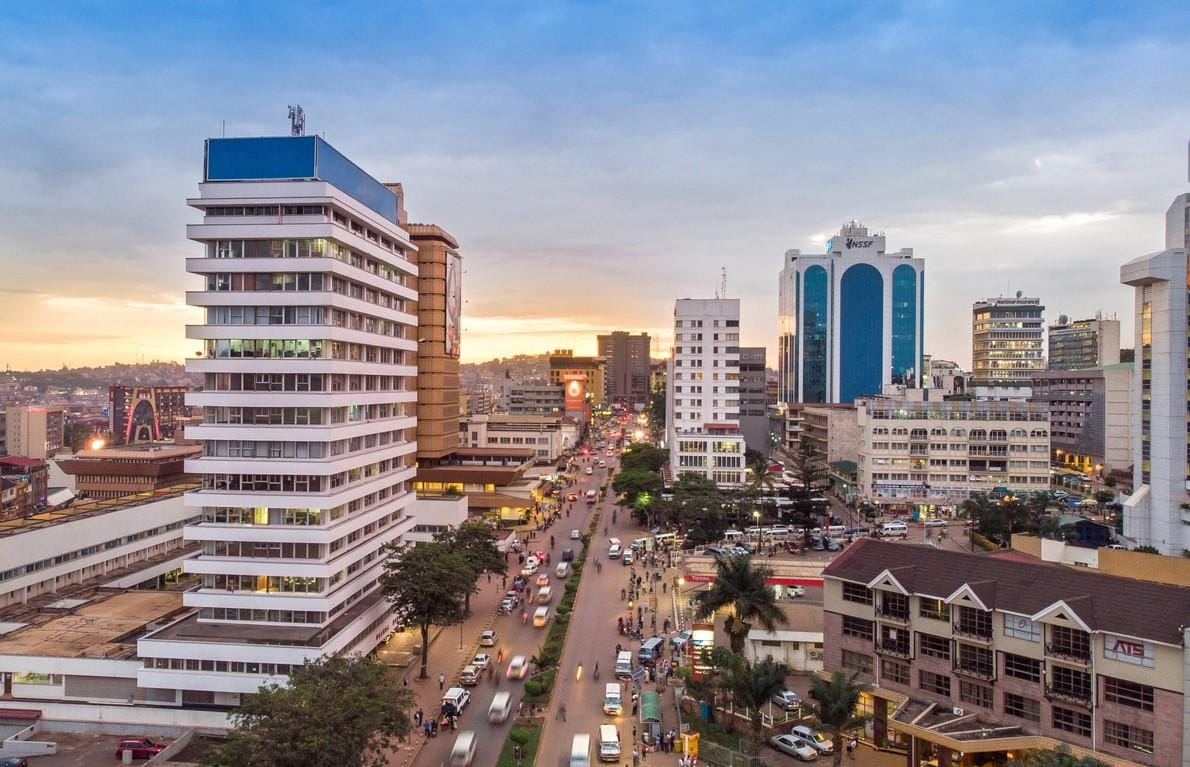
Last updated: 2 October 2026. Travel advisories and security situations change — check your own government’s current advice before booking.
Short answer: Is Uganda safe for tourists? Yes — Uganda is generally safe, and over a million visitors travel here every year without incident. Violent crime against tourists is rare. The most common risks are road accidents on upcountry routes, petty theft in Kampala, and health issues like malaria. Tourists should avoid the eastern DRC border zone, check current travel advisories, and exercise normal street awareness in cities. National park treks — including gorilla and chimpanzee trekking — are ranger-led and among the safest activities in the country.
Uganda receives well over a million international visitors a year, most of them travelling independently or on organised safaris, and the overwhelming majority have uneventful trips. The question of whether Uganda is safe for tourists is not usually about any single dramatic risk. It is about the ordinary, cumulative risks that any Sub-Saharan African destination involves — road conditions, health, petty crime, and occasional political tension — and about how those compare to the traveller’s own expectations and tolerance.
This guide is written to give an honest picture rather than a reassuring one. It covers the actual safety situation, the real risks tourists face, the specific questions solo female travellers and LGBTQ+ travellers ask, the health and medical side, and the wildlife safety rules that matter most in the parks. For the wider trip planning picture, see our Uganda destinations page. The regulatory framework for Uganda’s national parks is published by the Uganda Wildlife Authority.
Is Uganda safe for tourists — key facts
- Violent crime against tourists: Rare. Petty theft in Kampala is the more common issue.
- Biggest actual risk: Road accidents on upcountry routes, not crime
- Areas to avoid: The eastern DRC border zone; parts of Karamoja at night
- Health: Malaria is present year-round; yellow fever certificate required on entry
- Travel insurance: Essential; medical evacuation cover strongly recommended
- Political situation: Stable but periodic unrest around elections and protests
- National parks: Ranger-led, well-organised, among the safest activities
- Tourism Police: Dedicated unit operates in Kampala and key tourist areas
- Solo female travel: Generally safe with standard precautions
- LGBTQ+ travel: Same-sex relations are illegal in Uganda; see dedicated section below
Is Uganda safe for tourists? The honest answer
To answer “is Uganda safe for tourists” directly: yes — in the same broad sense that most of East Africa is safe for tourists. Violent crime targeting visitors is rare. There is no active insurgency affecting the tourist circuit. The parks, lodges and transport network operate normally. The vast majority of visitors travel without incident.
Three qualifiers matter, though:
- “Safe” is comparative, not absolute. Uganda’s tourist areas are safer than some travellers expect and less safe than Western European cities in specific respects. The realistic comparison is to other Sub-Saharan African destinations, not to home.
- Risk is not evenly distributed. Kampala at night, the eastern DRC border zone, and certain upcountry roads at night carry more risk than the parks, lodges and daytime transfers that make up most of a safari itinerary.
- The biggest risks are ordinary. Road accidents and health issues — not crime or terrorism — are what most often affect travellers. This is true in almost every African safari destination, and Uganda is no exception.
The practical implication is that travellers should think of Uganda the same way they would think of any developing country with a strong tourism sector: basic precautions, sensible choices about where and when to travel, good insurance, and a reputable operator. Travellers who apply those fundamentals almost always have a straightforward trip.
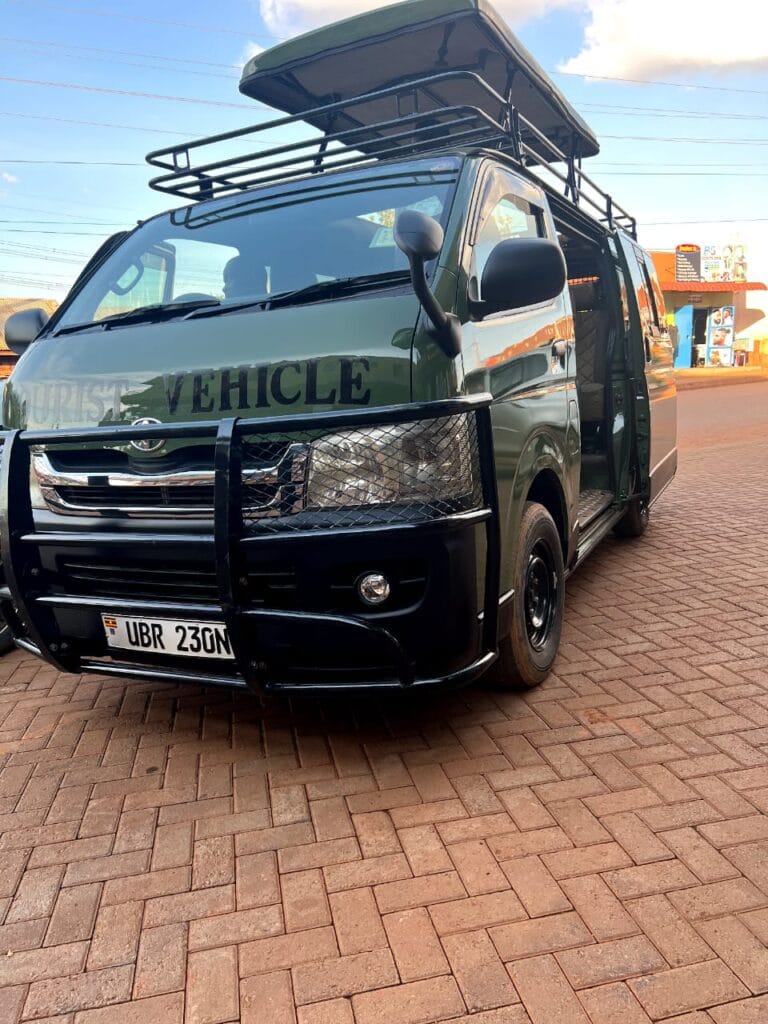
Afraeka tip: The single most useful safety step for a Uganda trip is choosing a reputable operator with a Ugandan presence and a track record. Local operators know which roads are safe, which lodges are reliable, which areas to avoid after dark, and how to handle the unexpected. That is worth more than any individual security measure you can take on your own.
What are the real risks tourists face?
The real risks tourists face in Uganda are, in order of likelihood: road accidents, health issues, petty theft, and occasional political tension. Violent crime, terrorism and kidnapping are far less common and, in the case of terrorism, largely confined to specific areas.
| Risk | Likelihood | Where | Mitigation |
|---|---|---|---|
| Road accident | Highest | Upcountry murram roads, night driving | Travel by day; use experienced driver-guides |
| Malaria | High if unprotected | Country-wide, including parks | Prophylaxis; repellent; long sleeves at dusk |
| Petty theft | Moderate | Kampala, taxi parks, markets | Basic street awareness; leave valuables in the room |
| Political tension | Occasional | Kampala, major towns, elections | Avoid demonstrations; check advisories |
| Terrorism | Low | Kampala and eastern border zone | Avoid crowded public events; check advisories |
| Wildlife injury | Low | Parks — mostly hippos and elephants | Follow ranger instructions strictly |
| Violent crime | Low | Rare against tourists anywhere | Standard precautions; no visible valuables at night |
Qualitative risk ranking. Individual trips vary. Check current advisories before travel.
Two things are worth drawing out. First, road safety is the risk most tourists underestimate and the one most likely to affect a trip. Uganda’s main highways are generally in reasonable condition, but murram roads — especially in the west and north — are dusty, uneven, and often driven too fast by other vehicles. Long-distance driving at night is not advised. A reputable driver-guide on a day-driven itinerary dramatically reduces this risk.
Second, terrorism risk is real but geographically concentrated. Uganda has experienced isolated attacks in Kampala and near the eastern DRC border, linked to regional armed groups. Tourist areas — the western parks, Jinja, Murchison Falls, and the southwestern circuit — are far removed from this. Travellers should follow their own government’s advisories and avoid large public gatherings, but the risk to a typical safari itinerary is low.
Are Uganda’s national parks safe?
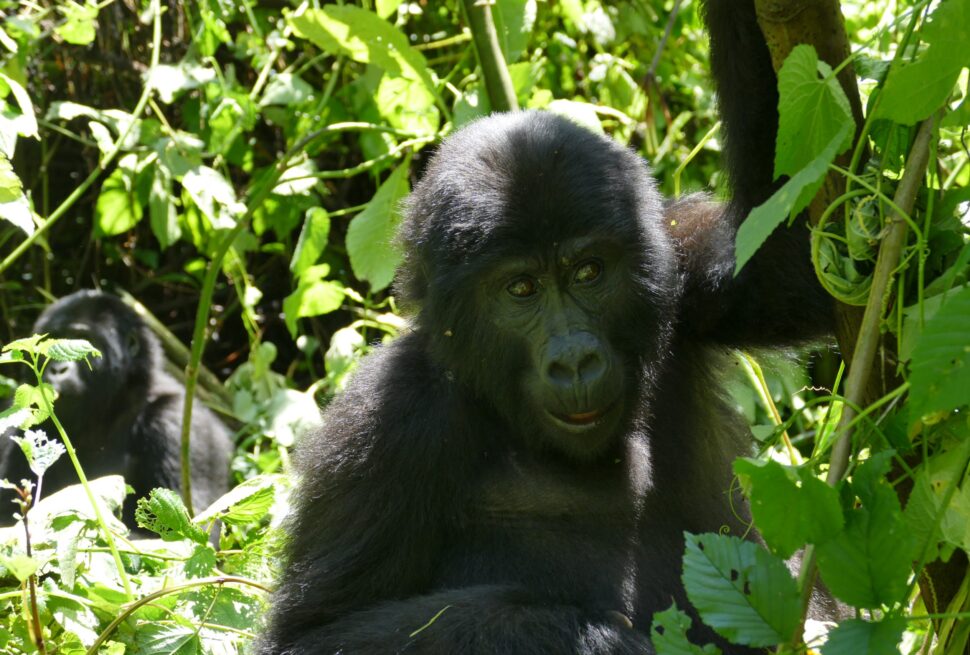
Yes — Uganda’s national parks are among the safest places in the country for tourists. Trekking is ranger-led, groups are accompanied by armed UWA staff where relevant, and the parks operate strict protocols around wildlife encounters. There is no history of tourists being attacked by armed groups inside the western parks.
Three things reinforce this:
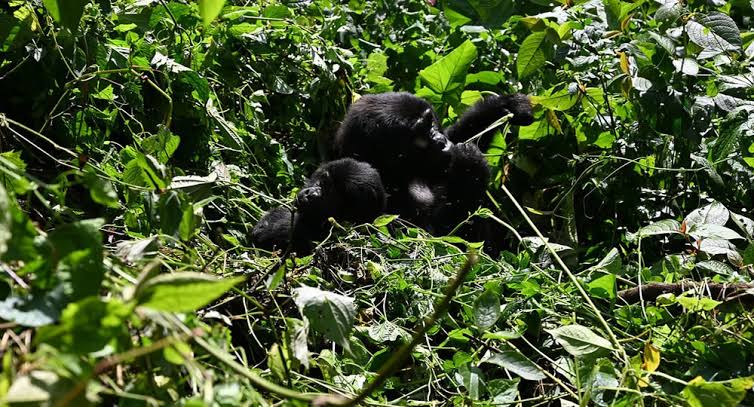
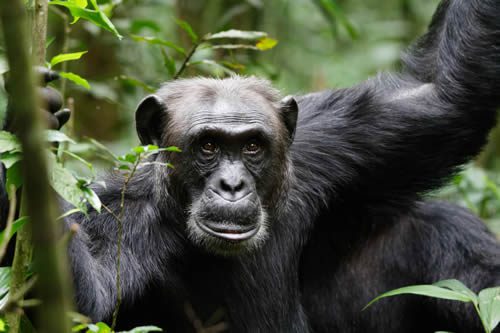
- Ranger-led activities. Gorilla trekking, chimpanzee trekking, game drives and boat cruises are all guided by UWA rangers or licensed operators. Travelers are not free to wander unescorted in the parks.
- Controlled access. Permits are required for the headline activities, entry is logged, and groups are monitored. The parks are not open-access areas in the way that some reserves in other countries are.
- Wildlife protocols. The rules around gorilla and chimpanzee trekking — seven-metre distance, one-hour limit, no flash, no trekking when ill — exist to protect both the animals and the visitors, and rangers enforce them.
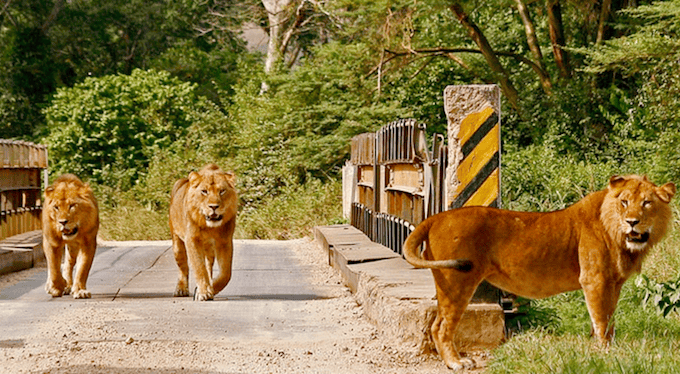
The wildlife risks that do exist are worth knowing. Hippos cause more human deaths in Africa than any other large animal and are dangerous in and around water — including the Kazinga Channel and Nile boat cruises, where rangers keep boats at a distance. Elephants in musth can be unpredictable, particularly in Murchison Falls. Buffalo in the forest are the animals most likely to surprise trekkers. All of these risks are managed by following ranger instructions without exception, which is a rule not a suggestion.
The wider set of guided primate activities across Uganda is on the primate tracking experiences page.
Is Uganda safe for solo female travelers?
Yes — Uganda is generally safe for solo female travelers, and many women travel there alone every year without incident. Uganda is not an outlier in this respect relative to the wider region, and its tourism infrastructure is well-developed. That said, solo female travelers do report more unwanted attention than male travelers, and a few standard precautions are worth taking.
Three practical points:
- Unwanted attention is common; harassment is not the norm. Solo female travelers in Uganda report the same kind of persistent low-level attention — invitations, comments, follow-up questions — that women encounter in many parts of the world. It is rarely aggressive, but it is tiring.
- Standard precautions work. Dress modestly in rural areas, avoid walking alone after dark, use trusted transport (arranged airport transfers, hotel-arranged taxis), and avoid unlicensed taxis or boda-bodas at night.
- Uganda has a Tourism Police unit. A dedicated Tourism Police operates in Kampala and major tourist areas, specifically to support visitors. Their numbers are widely available at hotels and lodges.
Solo female travelers considering Uganda should read our more detailed guide on this topic when it publishes — the concerns are real but manageable, and Uganda is not the outlier some regional reputations suggest. Travellers on organised safaris often find the question largely academic, because the itinerary structure (driver-guide, lodges, guided activities) removes most of the situations where solo travel becomes a concern.
What should LGBTQ+ travelers know?
Uganda’s laws on same-sex relations are among the strictest in the world. The Anti-Homosexuality Act passed in 2023 criminalises same-sex relations with severe penalties. This is a genuine and material safety consideration for LGBTQ+ travelers and same-sex couples considering Uganda. This guide states it plainly because omitting it would be dishonest and would not serve the traveler.
Three factual points:
- The law is enforced. Same-sex relations are criminalised, and there is a documented record of enforcement. This is not a law that exists on paper only.
- Discretion is essential. LGBTQ+ travelers and same-sex couples who choose to travel to Uganda should research the current legal position carefully, avoid public displays of affection, and consider the specific risks of their own travel arrangements.
- No operator can remove the legal risk. A reputable tour operator can provide a well-organised, discreet and professionally-managed trip, but cannot change the underlying legal environment. Travelers should make their own informed decision.
This is not a recommendation either way. It is a factual safety consideration that belongs in an honest answer to whether Uganda is safe for tourists. Travelers for whom this is a deciding factor should weigh it accordingly. Travelers who do travel should do so with clear eyes and appropriate discretion.
What about health and medical safety?
Health is the second most common risk after road safety. Malaria is present year-round throughout Uganda, including in the national parks. Yellow fever vaccination is required on entry. Medical facilities outside Kampala are limited, and medical evacuation cover is strongly recommended.
Health preparation checklist
- Yellow fever certificate — required on entry, checked at the airport
- Malaria prophylaxis — consult a travel doctor; take as prescribed
- Routine vaccinations — tetanus, hepatitis A and B, typhoid, polio
- Rabies vaccination — consider if trekking or in remote areas
- Travel insurance with medical evacuation cover — non-negotiable
- Personal first-aid kit — rehydration salts, antiseptic, blister care, personal medication
- Insect repellent with DEET — for evenings and forest walks
- Long sleeves and trousers for dusk — reduces mosquito exposure
Two things are worth emphasising. First, medical evacuation cover is not optional. Uganda’s main hospitals in Kampala are functional and can handle many issues, but serious cases are usually evacuated to Nairobi or South Africa. The cost of an emergency evacuation without insurance can run into tens of thousands of dollars. Second, malaria is a real risk even on short trips and even at altitude — Bwindi sits high enough that some travelers assume malaria is not a concern, but it is. Take the prophylaxis as prescribed.
Is it safe to travel around Uganda?
Yes — traveling around Uganda is safe for tourists when done sensibly. The main tourist circuit — Entebbe, Kampala, Jinja, Murchison Falls, Kibale, Queen Elizabeth, Bwindi, Mgahinga, Lake Bunyonyi — is well-established and well-trodden. Roads are generally in acceptable condition on the main highways, and internal flights connect the major hubs.
Three practical points:
- Drive by day. Long-distance driving at night is not advised on upcountry routes, both for road safety and because some rural areas have poor lighting and unpredictable traffic.
- Use a reputable operator or a trusted driver-guide. Self-drive is possible but not ideal for a first Uganda trip. A Ugandan driver-guide knows the routes, the shortcuts, the safe stops, and the local security situation in a way that no map application does.
- Internal flights are efficient for long distances. Entebbe to Kihihi (for Bwindi), Entebbe to Kasese (for Queen Elizabeth), and Entebbe to Pakuba (for Murchison) all cut out long drives.
The season also matters for travel logistics. Uganda’s dry seasons (December–February, June–September) offer firmer roads and easier conditions. The wet months make upcountry murram roads slower and more unpredictable. The season picture for the flagship activity is on our best time for gorilla trekking in Uganda guide.
The wider country planning picture, including entry requirements and regional advice, sits with the Uganda Tourism Board.
Common mistakes and safety myths
Most of what goes wrong with safety perceptions of Uganda comes down to a small set of misunderstandings, and clearing them up usually makes the decision easier.
- Assuming “Africa” is a single risk level. Uganda, Kenya, Rwanda and Tanzania have different security situations, different health profiles and different tourist infrastructure. Treating them as interchangeable leads to the wrong conclusions.
- Over-weighting terrorism headlines. Uganda has experienced isolated incidents, mostly in Kampala and near the eastern DRC border. The western safari circuit — where virtually all tourists go — is far removed.
- Under-weighting road safety. The risk tourists most often underestimate is road accidents on upcountry routes. Choosing a reputable operator and traveling by day is the single most effective safety measure.
- Skipping travel insurance with evacuation cover. This is the most common and most consequential planning omission. Medical evacuation without insurance is financially devastating.
- Skipping malaria prophylaxis. A common mistake among travelers who assume short trips or altitude eliminate the risk. Neither does.
- Assuming the parks carry the same risk as cities. The parks are the safest part of a Uganda trip. Kampala at night is where ordinary precautions matter most.
- Ignoring the legal environment for LGBTQ+ travelers. Uganda’s laws are strict and enforced. Travelers for whom this is relevant should research before booking.
- Not checking current advisories. The security situation changes. Your government’s current travel advice is the most useful single source before booking.
Uganda’s practical safety picture is not a reason to avoid the country. It is a reason to plan it well. Travelers who do — with a reputable operator, good insurance, sensible routing and day-time driving — find that the safety concerns fade quickly once the trip is underway.
Frequently asked questions
Is Uganda safe for tourists right now?
Is Uganda safe for tourists right now? Yes — Uganda is generally safe, with violent crime against visitors being rare. The main risks are road accidents, health issues such as malaria, and petty theft in Kampala. Check your government’s current travel advisory before booking, since the situation can change.
Is Uganda safer than Kenya?
Both countries are generally safe for tourists. Uganda’s western safari circuit is less developed than Kenya’s but equally safe. Kenya has more petty theft in Nairobi and Mombasa; Uganda has more challenging road conditions in rural areas. Neither is uniformly safer — it depends on the specific route and operator.
Can you drink the water in Uganda?
Tap water is not safe to drink anywhere in Uganda. Bottled or filtered water is universally available at lodges, hotels and shops. Use bottled water for brushing teeth as well, and avoid ice in drinks outside reputable hotels.
Do I need travel insurance for Uganda?
Yes — travel insurance is essential for any Uganda trip, and medical evacuation cover is strongly recommended. Uganda’s medical facilities outside Kampala are limited, and emergency evacuation to Nairobi or South Africa can cost tens of thousands of dollars without cover.
Is it safe to walk around Kampala at night?
Walking around Kampala at night is not recommended. Petty theft and street crime are more common after dark, and lighting and footpaths are inconsistent. Use hotel-arranged taxis or a driver-guide for evening transport, and avoid walking alone in unfamiliar areas.
Is Uganda safe for solo female travelers?
Yes — Uganda is generally safe for solo female travelers, with standard precautions. Unwanted attention is more common than for male travelers but rarely aggressive. Dress modestly in rural areas, avoid walking alone after dark, use trusted transport, and take advantage of Uganda’s Tourism Police unit.
What areas of Uganda should tourists avoid?
The eastern DRC border zone should be avoided. Parts of Karamoja in the far north-east are less developed for tourism and require extra planning. Kampala at night and unlit areas outside major towns also warrant caution. The main western safari circuit is not on any avoid list.
Is it safe to do a gorilla trek in Uganda?
Yes — gorilla trekking in Bwindi and Mgahinga is among the safest activities in Uganda. Treks are ranger-led, groups are small, and UWA operates strict protocols. There is no history of tourists being attacked by armed groups inside the western parks.
Have safety questions about your trip?
Send us your route and dates, and we will answer honestly — including the parts that are not reassuring. We plan Uganda trips for solo travelers, families, couples and groups, and we tell you plainly what to expect.
About the author: Victoria Kayaga is a Ugandan-born safari expert and founder of Afraeka Adventures, with 15+ years in East African tourism. Based in Kampala, she advises travelers on safety, logistics and honest expectations across Uganda. More about Victoria.
Keep planning
- 7-day Uganda and Rwanda primate safari
- 16-day Rwanda and Uganda gorilla trekking and big five safari
- 18-day Uganda safari
- All Afraeka trips