
Updated for August 2026. If you are searching for authentic slow travel village homestays in the Rwenzori foothills, you are looking for one of Uganda’s most untouched cultural experiences. While most safari itineraries rush through national parks, slow travel village homestays in the Rwenzori foothills offer a chance to pause, connect, and truly live alongside the Bakonzo people. This guide explores the best community-run homestays, what daily life looks like, and how to immerse yourself in the stunning landscape at the foot of Africa’s third-highest mountain range. Whether you are a cultural enthusiast, a nature lover, or simply seeking a break from the tourist trail, slow travel village homestays in the Rwenzori foothills deliver an experience like no other in 2026.
1. Introduction to Slow Travel Village Homestays in the Rwenzori Foothills
The Rwenzori Mountains, also known as the “Mountains of the Moon,” stretch along the Uganda-Democratic Republic of Congo border. Their foothills, sitting at altitudes between 1,200m and 1,800m, are home to the Bakonzo (or Konjo) people. This Bantu-speaking ethnic group has cultivated the fertile volcanic slopes for centuries, growing coffee, bananas, beans, and sweet potatoes. Choosing slow travel village homestays in the Rwenzori foothills means you are supporting community-based tourism initiatives that directly benefit local families.
These slow travel village homestays in the Rwenzori foothills are managed by organizations like the Ruboni Community Camp and the Kyarumba Community Tourism Initiative. These projects were established to share Bakonzo culture while generating sustainable income. Unlike commercial lodges, a homestay here means you eat with the family, sleep in a traditional house, and participate in daily chores—a truly immersive experience. For many travelers, slow travel village homestays in the Rwenzori foothills become the highlight of their Uganda journey.
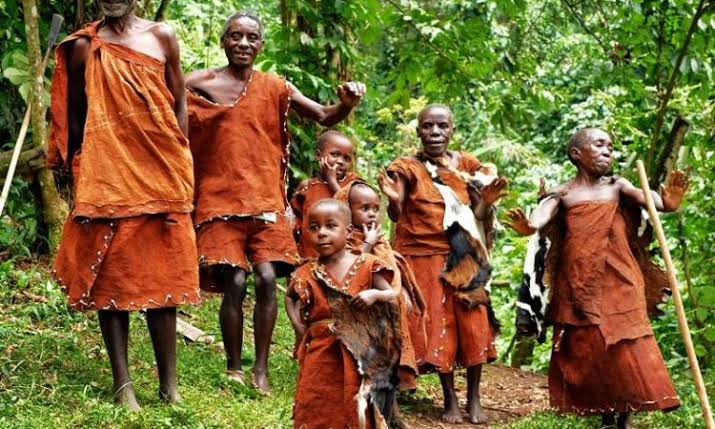
For broader cultural immersion, you might also enjoy our guide to the Batwa Cultural Experience, which offers another community-based encounter in southwestern Uganda.
2. Best Village Homestay Communities for Slow Travel in the Rwenzori Foothills
When planning slow travel village homestays in the Rwenzori foothills, you have several community options. Each village offers a slightly different flavor of Bakonzo culture and landscape.
2.1 Ruboni Village – The Gateway for Slow Travel Village Homestays in the Rwenzori Foothills
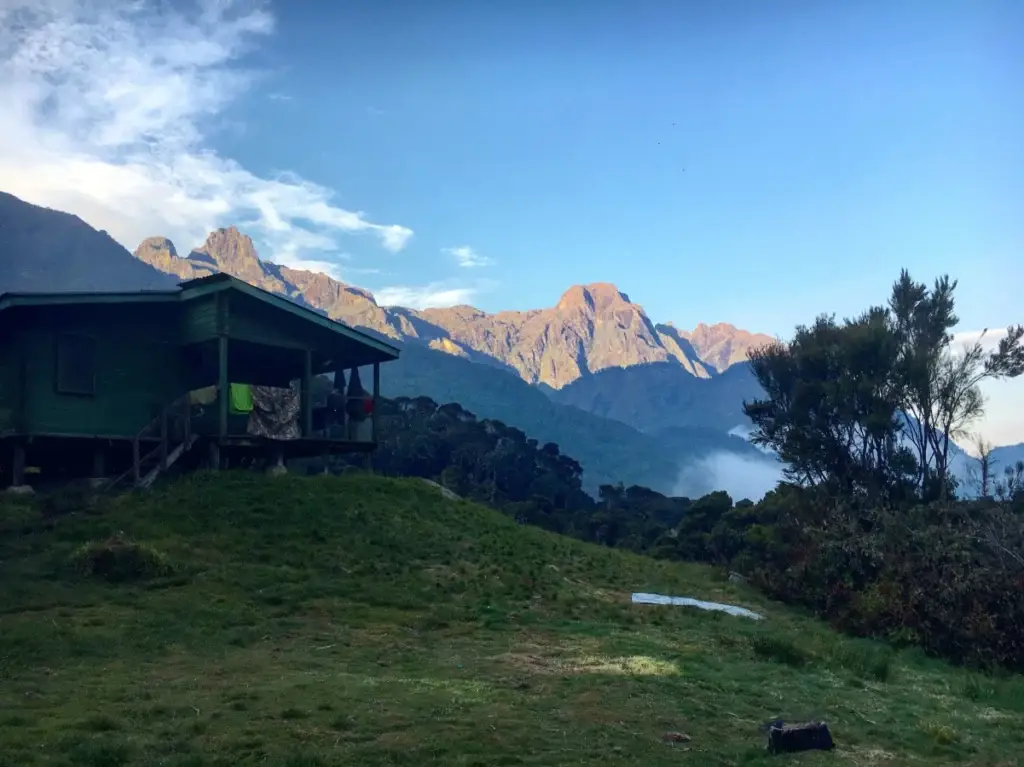
Location: Just outside the Rwenzori Mountains National Park headquarters, near the town of Kasese. Ruboni is the most accessible of all slow travel village homestays in the Rwenzori foothills, sitting at approximately 1,400m altitude. On clear mornings, you can see the snow-capped peaks of Margherita and Speke.
What Makes It Special: Ruboni Community Camp offers guided nature walks through the park’s buffer zone, where you can spot the rare three-horned chameleon (endemic to the Rwenzori) and various primate species. For those seeking slow travel village homestays in the Rwenzori foothills, Ruboni provides a perfect balance of comfort and authenticity.
2.2 Kyarumba Village – Coffee Country Homestays
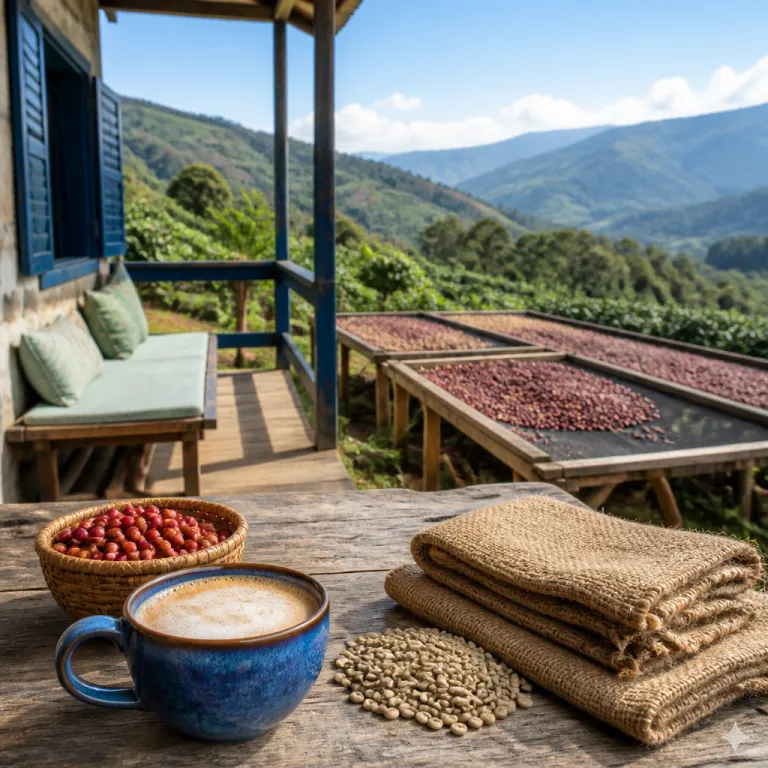
Location: South of Kasese town, Kyarumba is nestled on the slopes of Mount Stanley. The village is surrounded by lush coffee plantations—arabica beans grown at high altitude. Kyarumba is a top choice for slow travel village homestays in the Rwenzori foothills if you are a coffee lover.
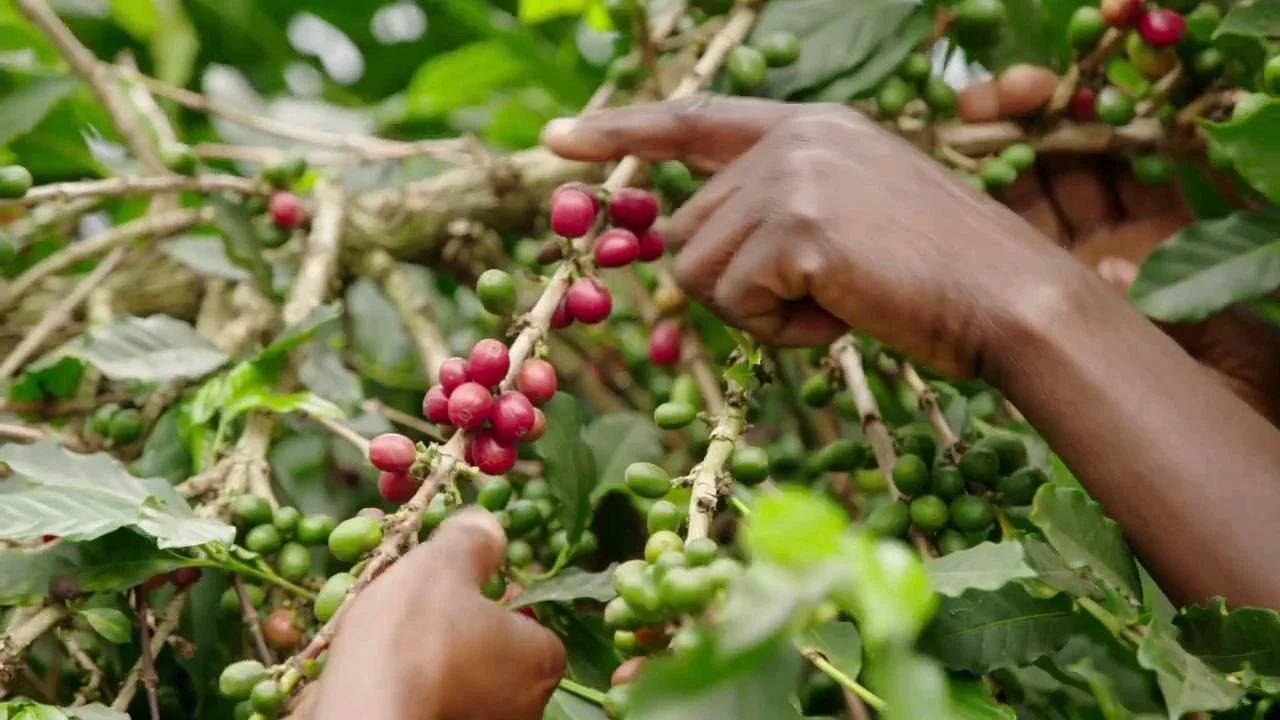
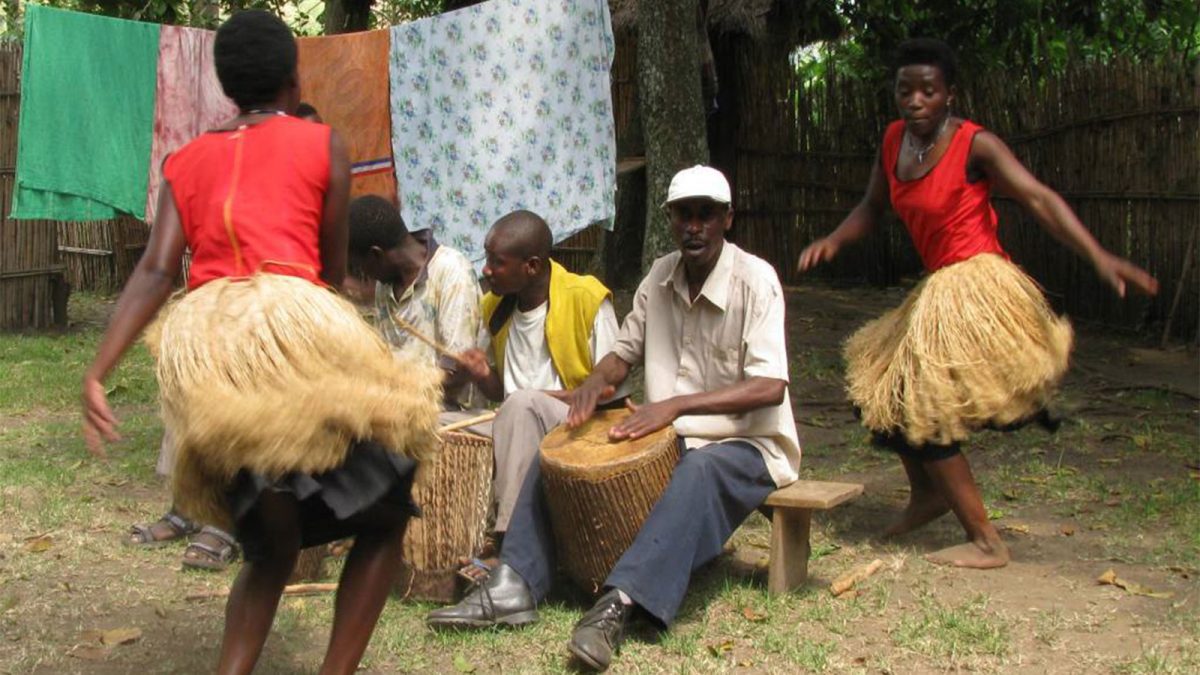
What Makes It Special: Kyarumba homestays offer coffee tours where you pick ripe cherries, pulp them, and sun-dry the beans. Families here are known for their emboga (a rich vegetable stew) served with kalo (millet bread). The community is also famous for its traditional dancers who perform the Ekisingura dance during special occasions. These cultural performances are a highlight of slow travel village homestays in the Rwenzori foothills.
2.3 Mihunga & Mahango Villages – Off-the-Beaten-Track Homestays
Location: East of the main Kasese-Fort Portal road, these smaller villages offer the most remote slow travel village homestays in the Rwenzori foothills. Fewer tourists venture here, meaning you get a purely authentic interaction.
What Makes It Special: Mahango is known for its blacksmiths who forge traditional tools and jewelry. Mihunga offers birding walks, with the Rwenzori turaco and the handsome francolin frequently sighted. For true seekers of slow travel village homestays in the Rwenzori foothills, these villages are the ultimate escape from the modern world.
3. What to Expect: Daily Life, Food & Nature Walks
3.1 A Typical Day in Slow Travel Village Homestays in the Rwenzori Foothills
A day in slow travel village homestays in the Rwenzori foothills starts early—around 6:00 AM with the sunrise over the mountains. You might join the family to fetch water from the spring or collect firewood. Breakfast is usually matoke (steamed green bananas) with groundnut sauce or sweet potatoes with tea. This daily rhythm is what makes slow travel village homestays in the Rwenzori foothills so special—you live according to the sun, not the clock.
Mid-morning, you can take a community-guided nature walk through the forest edges. These walks are led by local rangers who explain medicinal plants and point out wildlife tracks. The famous Rwenzori squirrel and the vibrant scarlet-tufted malachite sunbird are commonly seen. Many guests of slow travel village homestays in the Rwenzori foothills say these walks are the most memorable part of their stay.
Evenings are spent around a communal fire, listening to stories about Bakonzo history—how their ancestors lived on these mountains, their beliefs, and their relationship with the “ghosts of the mist” (the peaks). Dinner often includes nsenene (grasshoppers, depending on the season) or a hearty bean stew. This storytelling tradition is an integral part of slow travel village homestays in the Rwenzori foothills.
3.2 Culinary Experiences
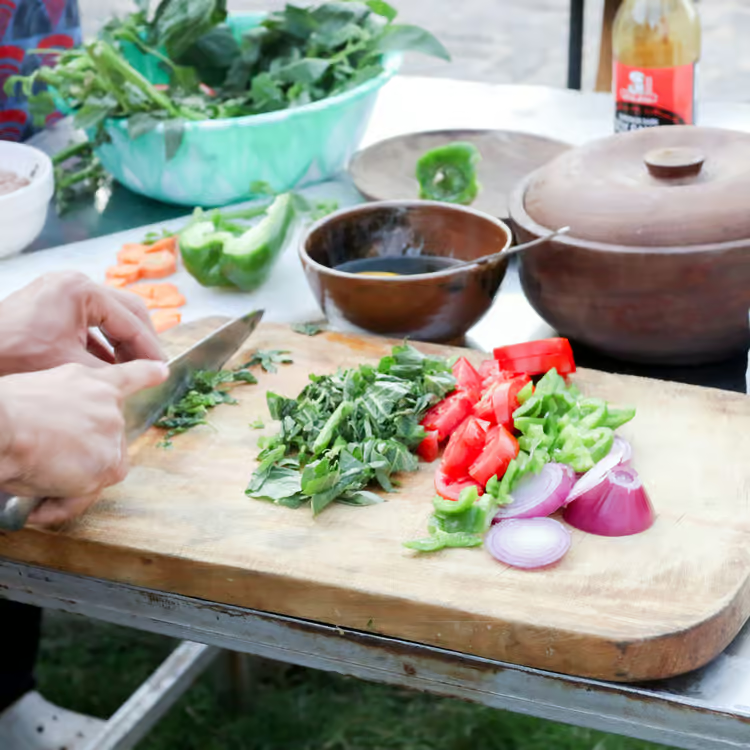
Food is central to the homestay experience. You are encouraged to join the cooking—pounding groundnuts for sauce, peeling plantains, or roasting coffee beans over an open flame. Many slow travel village homestays in the Rwenzori foothills offer a cooking class where you learn to make oluhombo (steamed meat in banana leaves), a dish similar to the Luwombo you would find in central Uganda. For a deeper dive into Ugandan cuisine, see our guide to Traditional Ugandan Cuisine & Cooking Classes.
3.3 Nature & Wildlife Around the Homestays
The Rwenzori foothills are part of a UNESCO World Heritage Site (though the main peaks are in the national park). The forest habitats here host over 60 species of mammals and 200 bird species. The Rwenzori duiker and the hyrax are often seen near the village edges. Birders can spot the blue-headed sunbird and the Rwenzori batis. Choosing slow travel village homestays in the Rwenzori foothills puts you right at the heart of this biodiversity.
4. How to Get There & Practical Tips for Your Homestay
Getting to the Rwenzori Foothills
- By Road: The foothills are accessed via Kasese town, which is a 6-7 hour drive from Kampala via Mityana, Mubende, and Fort Portal. The road is tarmac up to Kasese, and from there, community vehicles or boda-bodas take you to the specific villages. Most slow travel village homestays in the Rwenzori foothills can arrange a pickup from Kasese town.
- By Air: There are domestic charter flights to Kasese Airstrip (operated by Aerolink). From the airstrip, it is a 20-minute drive to the foothills. Check the Uganda Wildlife Authority for any updates on park access if you plan to extend your trip into the high-altitude trekking zones.
Practical Tips for 2026
- Best Time to Visit: The dry seasons (June-August and December-February) offer clear mountain views and easier trails. However, slow travel village homestays in the Rwenzori foothills are accessible year-round; the rainy seasons (March-May and September-November) bring lush greenery and fewer visitors.
- What to Pack: Sturdy walking shoes, a rain jacket (the foothills can get sudden showers), a headlamp (electricity is limited), and a reusable water bottle. Binoculars are a must for birders.
- Visa & Health: International visitors need the standard Uganda e-Visa, which costs $50 for standard processing (express available for $100). The yellow fever vaccine is required; check exemption rules via the Uganda Tourism Board.
- Booking: Homestays are managed by the community. It is essential to book in advance through a local tour operator like Afraeka Adventures to ensure availability and secure the best community rates. We specialize in arranging slow travel village homestays in the Rwenzori foothills with seamless logistics.
For more hidden gems in Uganda, don’t miss our Ultimate Uganda Off-the-Beaten-Path Guide 2026, which covers 30 unique experiences across the country.
5. Frequently Asked Questions (FAQ)
Q: What is a “slow travel” village homestay?
A: It is an immersive experience where you stay with a local family in a rural village, participating in daily life, cooking, farming, and cultural activities. It emphasizes quality time over ticking off sights. Slow travel village homestays in the Rwenzori foothills are the perfect example of this philosophy.
Q: Are the village homestays safe for solo travelers?
A: Yes. The communities are tightly knit and welcoming. Guides and hosts are trained in hospitality and safety. Solo female travelers are common and report feeling safe during slow travel village homestays in the Rwenzori foothills.
Q: Can I combine a Rwenzori foothills homestay with gorilla trekking?
A: Absolutely. You can pair a 2-3 night homestay with gorilla trekking in Bwindi or Mgahinga. The journey from the Rwenzori to the gorilla parks is about 5-6 hours by road.
Q: Do I need to bring my own bedding or food?
A: No, bedding and meals are provided as part of the homestay package. However, if you have specific dietary restrictions, inform your host in advance.
Q: What is the altitude in the foothills?
A: Slow travel village homestays in the Rwenzori foothills are between 1,200m and 1,800m above sea level—no altitude sickness risk. The air is cool and refreshing.
Q: How do I book a homestay?
A: The easiest and most reliable way to book slow travel village homestays in the Rwenzori foothills is through a trusted local operator. Contact Afraeka Adventures below to arrange your custom itinerary.
Ready to Slow Down in the Rwenzori Foothills?
Escape the rush and discover the heart of Uganda through slow travel village homestays in the Rwenzori foothills. Let us craft a peaceful, culturally rich journey that connects you with the Bakonzo people and the stunning landscapes they call home. Whether you choose Ruboni, Kyarumba, or a remote village like Mahango, slow travel village homestays in the Rwenzori foothills will leave you with memories that last a lifetime.
Contact Afraeka Adventures today to book your slow travel village homestays in the Rwenzori foothills.
Call us: +256 794144988
Email us: info@afraekaadventures.com
Visit our website: www.afraekaadventures.com
Updated: August 18, 2026. All information is subject to change; check with your local tour operator for the latest community availability.