A Rwanda safari in February is one of the best-kept secrets of the safari calendar. February sits at the tail end of Rwanda’s short dry season, which runs from December through February—a window of clearer skies, firmer trails, and excellent wildlife visibility. But February has an advantage over January and December: the festive rush is long gone, the parks are quieter, lodges have more availability, and the country settles into a calm, unhurried rhythm that suits both first-time visitors and seasoned travellers. This guide covers February weather, the best parks and activities, sample itineraries, permits and booking advice, packing tips, and the practical details that make the month work.
Rwanda’s national parks are managed by the Rwanda Development Board (RDB), and tourism is promoted by Visit Rwanda. Both are useful for checking park status, permits, and seasonal guidance. For the broader picture, see our Rwanda safaris hub page. For the seasonal overview, see our best time to visit Rwanda guide. For the previous month, see our Rwanda safari in January guide.
Why Rwanda safari in February?
February is one of the most underrated months for a Rwandan safari. It sits within the short dry season, with conditions that are close to ideal for trekking and game viewing, and it has some distinct advantages over the busier months of December and January:
- Dry-season conditions: February is generally dry, with firmer trails and better visibility than the rainy months of March to May.
- Quieter than December and January: The festive season and New Year rush are over, so lodges have more availability and the parks feel more relaxed.
- Good wildlife visibility: Thinner vegetation and clearer skies make it easier to spot gorillas, golden monkeys, and savannah wildlife.
- Comfortable temperatures: Days are mild at altitude, with cool mornings and warm afternoons—ideal for trekking.
- Excellent birding: Migratory species are still present in February, making it a great month for birders.
- Better value: With the festive season over, some lodges offer better rates and more flexible terms than in December or January.
- Romance: February includes Valentine’s Day, making it a popular month for honeymoons and couples’ trips. See our Rwanda honeymoon safari guide.
- Fresh air and clear views: February often brings some of the clearest skies of the year, with excellent views of the Virunga volcanoes.
The main consideration is that February marks the end of the short dry season, and by late February the long rains may begin to arrive in some areas. Early and mid-February generally offer the most reliable conditions, while late February can bring the first rains of the year.
February Weather in Rwanda
February is generally dry, but the weather varies across the country’s different regions and altitudes. Here’s what to expect in each park.
Volcanoes National Park
Volcanoes National Park sits at 2,500–4,500 metres, so conditions are cooler and more variable than the rest of Rwanda. February mornings are cool to cold, often misty, with temperatures that can drop close to freezing at the highest trailheads. Midday is mild and often sunny. Afternoons can bring cloud build-up and occasional showers, especially toward the end of the month.
Trekking conditions are generally good in February, with firmer trails than in the rainy months. However, some sections—especially in the bamboo zone—can remain muddy year-round. Good hiking boots, layers, and a waterproof jacket are essential. For more on trekking conditions, see our Rwanda gorilla trekking hub and our how hard is gorilla trekking in Rwanda guide.
Akagera National Park
Akagera is lower and warmer than the forest parks, and February is an excellent time for game drives. The dry season concentrates wildlife around water sources, making sightings easier. The park’s wetlands are also excellent for birdwatching, with migratory species still present. For more, see our Akagera National Park safari itinerary.
Nyungwe Forest National Park
Nyungwe is a rainforest, so it can rain here even in the dry season. February generally offers good conditions for chimpanzee trekking and the canopy walkway, but trails can be muddy after rain. The forest is lush and birdlife is excellent. For more, see our Nyungwe National Park guide.
Lake Kivu and Kigali
Lake Kivu is pleasant in February, with warm days and calm water between showers. Kigali’s rain tends to fall in short afternoon bursts, leaving mornings clear for city tours and shopping. For more, see our Lake Kivu holiday itinerary and our Things to Do in Kigali hub.
Best Parks and Activities in February
February is a great month to visit any of Rwanda’s parks, but some activities are particularly rewarding at this time of year.
Gorilla Trekking in Volcanoes National Park
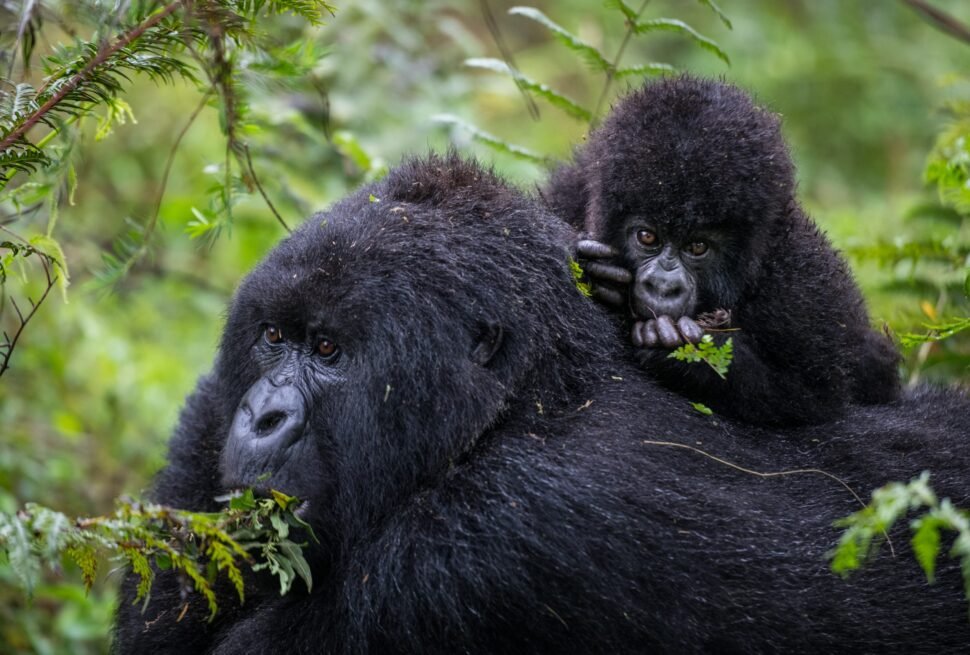
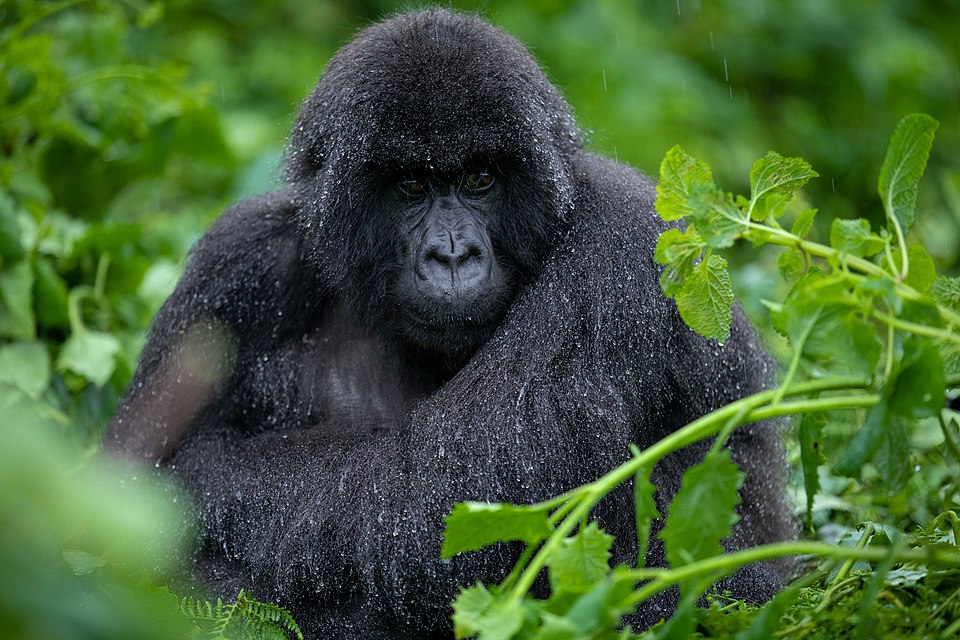
Gorilla trekking is Rwanda’s signature experience, and February is one of the best months for it. Drier trails make the trek more comfortable, and clearer skies improve visibility and photography. The minimum age is 15, and permits are limited and sell out months in advance. For a detailed guide, see our Rwanda gorilla trekking hub and our Rwanda gorilla permit cost guide.
Golden Monkey Trekking
Golden monkeys are endemic to the Virunga Mountains and are wonderfully playful. The trek is generally shorter and less strenuous than gorilla trekking, making it a great complement to a gorilla trek. For more, see our Rwanda golden monkey trekking itinerary.
Chimpanzee Trekking in Nyungwe Forest
Nyungwe is home to a habituated chimpanzee community that can be tracked by visitors. The trek is more challenging than in Uganda’s Kibale Forest, but the experience is wilder and more adventurous. February conditions are generally good, though trails can be muddy after rain. For more, see our Nyungwe Forest chimpanzee trekking itinerary.
Game Drives and Boat Safaris in Akagera
Akagera is the only park in Rwanda where you can see the Big Five, and February is an excellent month for game drives. The dry season concentrates wildlife around water sources, and the park’s wetlands are alive with birdlife. A boat safari on Lake Ihema is a highlight. For more, see our Akagera National Park safari itinerary and our Big Five in Akagera guide.
The Nyungwe Canopy Walkway
The Nyungwe canopy walkway is one of the park’s most famous attractions—a suspended bridge 70 metres above the forest floor. February is a good month for the walkway, with clearer views and fewer crowds than December. For more, see our Nyungwe Forest canopy walk guide.
Lake Kivu and Cultural Experiences
Lake Kivu is a wonderful place to relax after a safari, with safe swimming, boat trips, and coffee tours. February’s warm days make it particularly pleasant. Cultural experiences, such as the Iby’iwacu Cultural Village and the Nyamirambo Women’s Center, are also rewarding in February. For more, see our Iby’iwacu cultural village guide and our Rwanda cultural experiences for tourists guide.
Sample February Safari Itineraries
February safaris can be tailored to different interests and trip lengths. Here are three sample itineraries, from a short gorilla-focused escape to a comprehensive adventure.
5-Day February Gorilla Escape
Day 1: Arrive in Kigali. Visit the Kigali Genocide Memorial and explore the city. Overnight in Kigali.
Day 2: Drive to Volcanoes National Park. Afternoon cultural visit to Iby’iwacu Cultural Village. Overnight near the park.
Day 3: Gorilla trekking in the morning. Afternoon at leisure or a short nature walk.
Day 4: Golden monkey trekking or Dian Fossey hike. Afternoon transfer to Lake Kivu. Overnight at a lakeside lodge.
Day 5: Morning at Lake Kivu. Transfer to Kigali for your departure flight.
This itinerary is perfect for travellers with limited time who want a focused gorilla experience with a lakeside rest. It includes gorillas, cultural experiences, and Lake Kivu.
8-Day February Wildlife and Culture Safari
Day 1: Arrive in Kigali. Kigali Genocide Memorial, Kimironko Market, and dinner in the city.
Day 2: Drive to Volcanoes National Park. Ellen DeGeneres Campus and cultural visit. Overnight near the park.
Day 3: Gorilla trekking. Afternoon at leisure.
Day 4: Golden monkey trekking or Dian Fossey hike. Afternoon transfer to Akagera National Park.
Day 5: Morning game drive in Akagera. Afternoon boat safari on Lake Ihema.
Day 6: Morning game drive. Afternoon at leisure. Overnight in Akagera.
Day 7: Return to Kigali. Afternoon at leisure or last-minute shopping. Overnight in Kigali.
Day 8: Departure from Kigali International Airport.
This itinerary combines primates, savannah wildlife, and culture, with time in both Volcanoes and Akagera. It’s ideal for travellers who want a varied February safari.
12-Day February Comprehensive Safari
Days 1–2: Arrive in Kigali. City tour and cultural experiences.
Days 3–5: Volcanoes National Park. Gorilla trekking, golden monkeys, cultural visits.
Days 6–7: Lake Kivu. Lakeside relaxation, boat trips, and coffee tours.
Days 8–9: Nyungwe Forest. Chimpanzee trekking and canopy walkway.
Days 10–11: Akagera National Park. Game drives, boat safaris, and night drives.
Day 12: Return to Kigali and departure.
This itinerary is the most comprehensive, combining primates, lakes, forests, savannah, and city culture. It’s ideal for travellers with more time who want a full February adventure.
For a combined Rwanda-Uganda February safari, see our 16-Day Rwanda and Uganda Gorilla Trekking & Big Five Safari.
Valentine’s Day and Honeymoons in February
February is a popular month for couples, thanks to Valentine’s Day on 14 February. Rwanda offers several romantic experiences for couples celebrating the occasion:
- Gorilla trekking: A shared adventure that many couples describe as one of the most meaningful experiences of their lives.
- Luxury lodges: Properties like Bisate, One&Only Gorilla’s Nest, and Singita Kwitonda offer private suites, fireplaces, and stunning views—ideal for a romantic stay.
- Lake Kivu sunsets: Lakeside dinners and sunset cruises on Lake Kivu are a lovely way to unwind.
- Candlelit dinners: Many lodges and Kigali restaurants offer special Valentine’s menus.
- Spa treatments: Several lodges offer couples’ spa treatments and massages.
If you’re planning a Valentine’s or honeymoon trip, book well in advance—February 14 is one of the busiest nights of the year for romantic getaways. For more, see our Rwanda honeymoon safari guide.
Permits and Booking for February
February is still peak season for gorilla trekking, so permits and lodges should be booked well in advance. Here’s what to know.
Gorilla Permits
All gorilla trekking permits are issued by the Rwanda Development Board. Permits are limited and sell out months in advance, especially for popular dates. Book six to nine months ahead for February, and earlier if you have specific dates or want to trek more than once. For current rates and booking procedures, visit the Rwanda Development Board. For costs, see our Rwanda gorilla permit cost guide.
Chimpanzee and Golden Monkey Permits
Chimpanzee permits for Nyungwe and golden monkey permits for Volcanoes are also issued by the RDB. These are generally easier to secure than gorilla permits but should still be booked in advance, especially during peak season. See our Nyungwe chimpanzee trekking cost guide for details.
Lodges and Transport
Lodges near Volcanoes National Park fill up quickly for February, especially around Valentine’s Day. Book six to nine months ahead for the best properties, especially the luxury lodges. For more, see our best lodges in Volcanoes National Park guide and our things to do in Musanze guide.
Transport should also be arranged in advance. A private 4×4 with a driver-guide is the most comfortable option. For more, see our getting around Rwanda guide.
Last-Minute Options
If you’re booking late, cancellations do happen, and last-minute permits occasionally become available. See our last minute gorilla permits Rwanda guide for tips.
Where to Stay in February
Accommodation is one of the most important decisions for a February safari, and the best lodges sell out early. Here’s a guide by destination.
Volcanoes National Park
Options range from ultra-luxury lodges like Bisate Lodge, One&Only Gorilla’s Nest, and Singita Kwitonda Lodge to comfortable mid-range lodges and budget guesthouses. Staying close to the park headquarters in Kinigi reduces transfer times on trekking mornings. For more, see our best lodges in Volcanoes National Park guide and our things to do in Musanze guide.
Akagera National Park
Options include Ruzizi Tented Lodge, Magashi Camp, Karenge Bush Camp, and lodges outside the park. Staying inside the park allows you to be on game drives at first light and enjoy the sounds of the bush at night. For more, see our Akagera safari cost and activities guide.
Nyungwe Forest
The standout option is One&Only Nyungwe House, a luxury lodge set on a former tea plantation at the edge of the forest. There are also mid-range lodges and guesthouses near the park entrance, including Nyungwe Top View Hill Hotel. For more, see our Nyungwe National Park guide.
Lake Kivu
Gisenyi and Kibuye have a range of lakeside lodges, from budget guesthouses to luxury resorts. Lake Kivu Serena Hotel and Mantis Kivu Marina Bay Hotel are popular choices in Gisenyi, while Cormoran Lodge is a favourite in Kibuye. For more, see our Lake Kivu guide.
Kigali
Kigali has the widest range of accommodation, from boutique guesthouses to five-star hotels. For neighbourhood guidance, see our where to stay in Kigali guide.
What to Pack for a February Safari
February packing is a balance between cool mornings, mild middays, and the possibility of late-month rain. Here’s what to bring.
Clothing
- Layers: A warm fleece or mid-layer for cool mornings and evenings, a long-sleeved shirt for the trek, and a light waterproof jacket.
- Long trousers: Quick-dry trousers are best—avoid cotton, which stays wet and cold.
- Waterproof trousers: Optional but useful if the weather turns.
- Sturdy hiking boots: With ankle support and good grip. Break them in before you travel.
- Gaiters: Optional but useful for keeping mud and water out of your boots.
- Hat and gloves: For cold mornings at altitude. A sun hat is also useful for midday.
- Swimwear: For Lake Kivu and lodge pools.
- Smart-casual outfit: For Valentine’s or romantic dinners if relevant.
Gear
- Daypack: A small pack for water, snacks, camera, and spare layers.
- Camera with zoom lens: A 70–200mm f/2.8 is ideal for gorilla photography.
- Binoculars: For birds and other wildlife.
- Reusable water bottle: Stay hydrated, especially at altitude.
- Snacks: Energy bars or trail mix for the trek.
- Dry bag: To protect your camera and spare clothing.
- Walking stick: Useful on slippery sections. Often available locally.
- Universal power adapter: Rwanda uses Type C and J sockets.
Health and Comfort
- Antimalarial medication: Consult your doctor before travel.
- Insect repellent: Mosquitoes are present, though less active in the dry season.
- Blister plasters: Wet boots increase the risk of blisters.
- Rehydration sachets: Useful if you sweat heavily under layers.
- Any prescription medications: Carry enough for the whole trip, plus a doctor’s letter.
Most lodges offer laundry service, so you can pack light. For a full packing list, see our what to pack for Rwanda guide. For health preparations, see our vaccines for Rwanda guide.
Health and Safety in February
- Malaria: Rwanda is a malaria-risk country, including national parks. Antimalarial medication is recommended—consult your doctor before travel.
- Yellow fever: A certificate is required for entry to Rwanda if arriving from a country with yellow fever transmission.
- Altitude: Volcanoes National Park and Nyungwe are at high altitude. Take it easy on the first day and stay hydrated.
- Respiratory illness: Do not trek if you have a cold, flu, or other respiratory illness—primates are vulnerable to human diseases.
- Travel insurance: Comprehensive insurance covering medical evacuation is strongly recommended.
- Water: Drink bottled or purified water only.
- Wildlife safety: Follow your guide’s instructions at all times. Keep a safe distance from gorillas and other wildlife.
- Late-month rain: Late February can bring the first rains of the year. Pack a waterproof jacket and be prepared for muddy trails.
For the latest entry requirements, visit the Rwanda Directorate General of Immigration and Emigration. For a broader safety overview, see our is Rwanda safe for tourists guide.
February vs Other Months
How does February compare with other months for a Rwandan safari? Here’s a quick overview.
| Month(s) | Season | Best For | Crowds |
|---|---|---|---|
| January | Short dry season | Gorillas, chimpanzees, Akagera, birding | Moderate |
| February | Short dry season | Similar to January, with more availability | Low to moderate |
| March–May | Long rainy season | Birding, lush scenery, low lodge rates | Low |
| June–September | Long dry season | All activities; best trekking conditions | High (peak) |
| October–November | Short rainy season | Birding, lush scenery | Low to moderate |
| December | Short dry season; festive season | Festive safaris, gorillas, New Year | High (Christmas/New Year) |
February offers the best of both worlds: dry-season conditions with lower crowds than December, January, or the June–September peak. It’s an excellent month for a first safari, a return trip, or a romantic getaway.
Frequently Asked Questions
Is February a good month for a Rwanda safari?
Yes. February falls within Rwanda’s short dry season, with generally good trail conditions, better visibility, and lower crowds than December or January. It’s one of the best months for a Rwandan safari.
What is the weather like in Rwanda in February?
February is generally dry, with mild to warm days and cool mornings and evenings at altitude. Late February can bring the first rains of the year, so a waterproof jacket is useful.
Can I see gorillas in February?
Yes. Gorilla trekking operates year-round, and February is one of the best months for it. Drier trails and clearer skies make the trek more comfortable and the photography better.
Is February a good month for a honeymoon in Rwanda?
Yes. February includes Valentine’s Day and offers dry-season conditions, luxury lodges, and romantic lakeside settings. Book well in advance, as Valentine’s Day is popular. See our Rwanda honeymoon safari guide.
How far in advance should I book a February safari?
Book six to nine months ahead for gorilla permits and the best lodges. February is still peak season, so early booking is essential, especially for the luxury lodges near Volcanoes National Park and for Valentine’s Day.
Is February busy in Rwanda?
February is quieter than December and January, after the festive rush. The parks and lodges are still busy, but there’s more availability and a more relaxed feel. It’s a good balance between peak-season conditions and post-festive calm.
What should I pack for a February safari?
Layers for cool mornings, a waterproof jacket, long trousers, sturdy hiking boots with good grip, a warm fleece, gloves, a sun hat, and swimwear for Lake Kivu. See the packing section above for detail.
Start Planning Your February Safari
Every safari we create is tailored to your interests, budget, and travel dates. Whether you want a short gorilla escape, a romantic getaway, or a comprehensive February adventure, we’ll design an itinerary that makes the most of the season.
Contact us today to begin planning your February safari in Rwanda.
Last updated: October 2026. Fees, permits and park rules are set by the Rwanda Development Board and can change; we confirm current details when you book.
Official sources and further reading
About the author: Victoria Kayaga
Victoria Kayaga is a Ugandan-born safari expert and the founder of Afraeka Adventures, with over 7 years of experience in the East African tourism industry. She specializes in gorilla trekking, wildlife safaris and multi-country itineraries across Uganda, Rwanda, Kenya and Tanzania.