Last updated: 24 September 2026. Rates and availability are set by UWA and subject to change — confirm before booking.
Short answer: Gorilla trekking gear rental in Buhoma is widely available through the sector’s lodges and through local community rental operations at the trailhead. You can rent boots (including rubber boots), gaiters, gardening gloves, trekking poles and rain ponchos. Most lodges can arrange gorilla trekking gear rental the evening before your trek, or you can arrange it at the trailhead on the morning of the trek. Rent what you did not bring, but do not rely on gorilla trekking gear rental for footwear — proper broken-in boots are the one item worth bringing from home.
Every week, a traveller arrives in Buhoma having realised — usually on the flight or in the car — that they left something at home. Maybe the boots did not fit in the bag, or the gaiters got forgotten, or the camera strap was left behind, or nobody thought to pack the warm layer. Gorilla trekking gear rental in Buhoma exists precisely for these situations, and it works well for most items. It is one of the quieter pieces of infrastructure around the park, and it means a missing pair of gaiters does not need to become a lost trekking day.
This guide is the reference for gorilla trekking gear rental in Buhoma — what you can hire at the lodges and trailhead, what is worth renting versus bringing from home, when to arrange it, and what you should never rely on renting. If you have not yet chosen a sector, the Uganda gorilla trekking hub covers the wider picture, and permit requirements are kept current on the gorilla permits Uganda page. The regulatory framework for trekking — including the equipment rules that apply to any rented gear — is published by the Uganda Wildlife Authority.
Gorilla trekking gear rental Buhoma — key facts
- Where: Buhoma lodges and the trailhead rental point
- When to arrange: The evening before your trek, through your lodge
- Most rented items: Boots, gaiters, gloves, trekking poles, rain ponchos
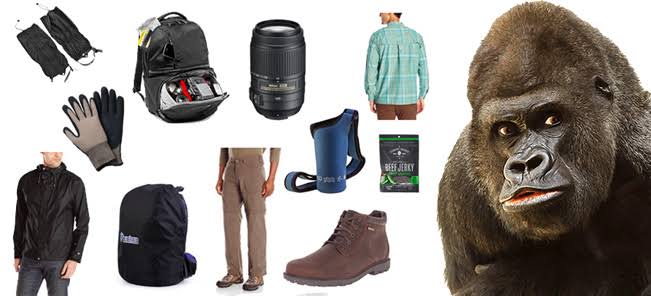
- Available to rent: Boots (including rubber boots), gaiters, gloves, poles, ponchos, daypacks
- Not worth renting: Cameras, binoculars, base layers, personal medication
- Payment: Directly to the lodge or rental operator — usually in cash or via your operator’s account
- Best approach: Rent the small accessories; bring your own boots if you possibly can
- Wet-season note: Rubber boots are often the best rental item in the rainy months
What gear can you rent in Buhoma?
Gorilla trekking gear rental in Buhoma covers a broader range than most travellers expect. The lodges and local rental operations keep a stock of the items trekkers most commonly arrive without, and the range has grown over the years to include almost everything except cameras and personal items. The service is aimed primarily at travellers who arrived without the right kit — but it is also used by travellers who deliberately packed light and planned to rent on arrival.
| Item | Available to rent? | Notes |
|---|---|---|
| Hiking boots | Sometimes | Limited range of sizes; quality varies. Bring your own if possible. |
| Rubber boots (gum boots) | Yes, widely | Standard wet-season option; local sizes available; work well on muddy trails. |
| Gaiters | Yes | Commonly available; cheap to rent and genuinely useful. |
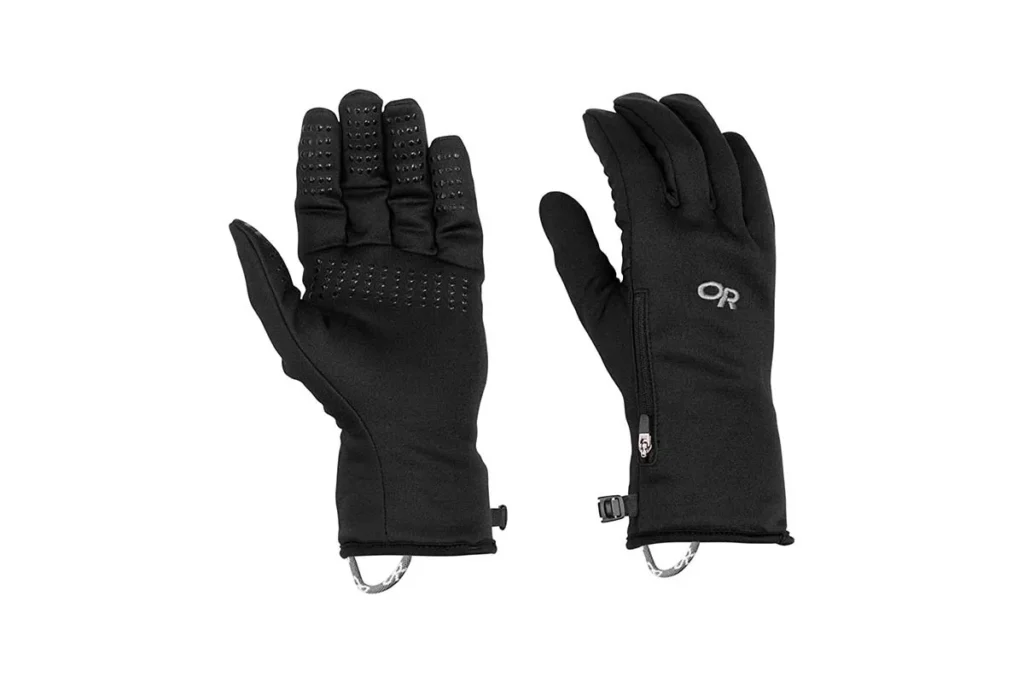
| Gardening gloves | Yes | Widely available; often provided as part of the porter or trekking package. |
| Trekking poles | Yes | Available at most lodges; useful on steep descents. |
| Rain poncho / waterproof shell | Yes | Basic ponchos are commonly available; bring your own if you want a proper shell. |
| Daypack | Sometimes | Available but limited; most trekkers bring their own or use a porter. |
| Walking stick (wooden) | Yes | Locally made wooden walking sticks are widely available at the trailhead and from lodges. |
| Cameras | No | Not available for rent; bring your own or accept that you will not have photographs. |
| Binoculars | Sometimes | Occasionally available at lodges; bring your own if birding matters to you. |
| Base layers / clothing | No | Not available for rent; bring appropriate layers. |
| Personal medication | No | Bring your own; nothing comparable is available locally. |
Availability varies by lodge, sector and season. Confirm what is available when you book your trek.
The pattern is clear: gorilla trekking gear rental in Buhoma works well for the small accessories — gaiters, gloves, poles, ponchos — and works less well for anything that needs to fit you personally. Boots are the borderline case. Renting boots is possible, but the fit is not guaranteed, and a poorly fitting boot on a long trail is worse than a properly broken-in boot you brought from home. If you are going to rely on gorilla trekking gear rental for footwear, bring thick socks and be prepared to layer them if the fit is loose.
Where do you rent gear in Buhoma?
Gorilla trekking gear rental in Buhoma is arranged through three channels: your lodge, your tour operator, and the trailhead rental point. Each channel has a different range, a different level of reliability, and a different position in the trekking timeline. Understanding where to rent from — and when — is the practical core of gorilla trekking gear rental planning.
The three channels for gorilla trekking gear rental in Buhoma
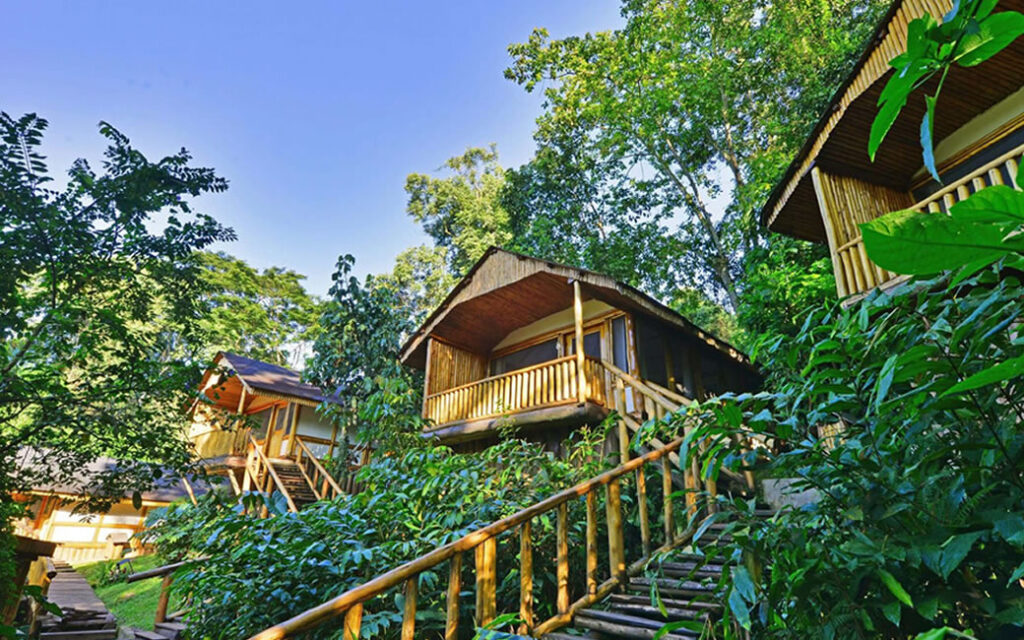
- Your lodge. The most reliable channel. Most Buhoma lodges keep a stock of commonly rented items and can arrange gorilla trekking gear rental for guests the evening before the trek. The range is usually limited to gaiters, gloves, poles, ponchos and sometimes rubber boots. Lodge rental is the default option and the one we recommend to clients.
- Your tour operator. If you have booked through an operator, they can arrange gorilla trekking gear rental as part of your trekking logistics. This is often the smoothest option for travellers on organised trips, because the operator coordinates with the lodge and confirms availability in advance.
- The trailhead rental point. A small rental operation operates at the Buhoma trailhead on the morning of the trek. The range is limited and the supply is on a first-come basis, so trailhead rental should be treated as a backup rather than a primary plan. Arriving at the trailhead hoping to rent gear works more often than not, but it is not a guarantee.
The practical recommendation is to arrange gorilla trekking gear rental through your lodge the evening before your trek. This gives you a chance to check the fit, to try the items on, and to swap anything that does not work. The trailhead point is worth knowing about as a fallback, but it is not the way to plan a trek.
Afraeka tip: If you know you will need gorilla trekking gear rental for something specific — boots in a particular size, or a trekking pole you can rely on — mention it to your operator when you book, not the evening before. The lodges can usually arrange rental at short notice, but for specific sizes or better-quality items, a few days’ notice makes a real difference. Renting gear well is a small logistical exercise, and the more time your operator has, the better the outcome.
Should you rent boots or bring your own?
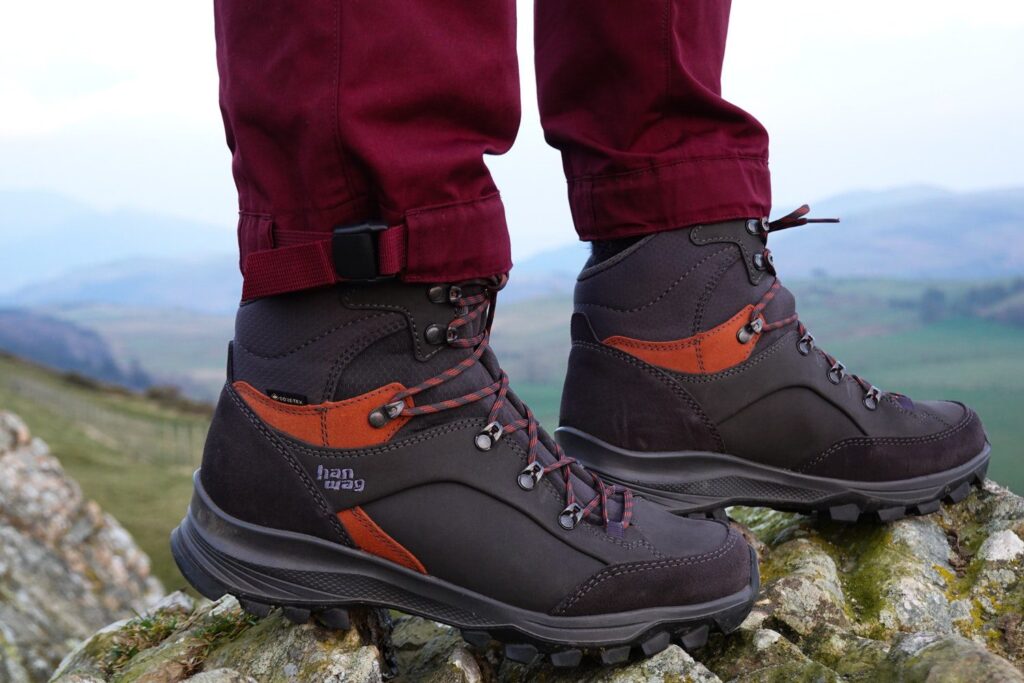
For gorilla trekking gear rental in Buhoma, boots are the one item where we consistently recommend bringing your own rather than renting. This is not because rental boots are unavailable — they are, especially the rubber boots that work well in the wet season — but because boot fit matters more than any other gear decision, and rental boots rarely fit as well as broken-in boots you brought from home.
Three points about renting boots versus bringing them:
- Rental hiking boots have limited size ranges. The lodges and trailhead points typically stock a narrow range of sizes, and if you are at the top or bottom of the range, you may not find a pair that fits comfortably.
- Rental boots are not broken in. Even if the size is right, a rental boot has not been worn on training walks, and it may cause blisters on a long trekking day. The one reliable way to avoid blisters is to break in your own boots before travel.
- Rubber boots are the exception. Local rubber boots are widely available for rent and are the standard wet-season option. They handle mud better than hiking boots and dry faster, and the fit is less critical because they are worn loose over wool socks. If you are trekking in the wet season and did not bring boots, renting rubber boots is a good solution.
If you are flying in and boots did not fit in your luggage, the second-best option is to rent rubber boots for the trek and wear thick socks. Rubber boots are not ideal for very steep terrain — they have less grip than proper hiking boots — but on the muddier Buhoma trails, they work well. Detailed sector terrain guidance sits in our Buhoma sector guide, and the wider kit list is covered in our guide on what to pack for gorilla trekking.
What is worth renting and what is not?
For most travellers, gorilla trekking gear rental in Buhoma is worth using for the small accessories and worth skipping for anything personal. The pattern is consistent across seasons and sectors: rent the cheap, generic items that are easy to fit; bring the items that need to fit you specifically or that matter for your comfort on the trail.
Gorilla trekking gear rental — worth renting vs. bring your own
- Worth renting: Gaiters, gloves, trekking poles, ponchos, rubber boots (wet season), wooden walking sticks
- Bring your own: Hiking boots, base layers, warm layer, waterproof shell, daypack, camera, binoculars, personal medication
- Borderline: Rubber boots (if you have no boots at all), sleeping bag liners (rarely needed), sun hats (occasionally available)
- Never rely on renting: Cameras, prescription medication, contact lenses, anything you need for a medical condition
The logic is simple. The items worth renting are the ones where fit does not matter much and where the difference between a rental version and a personal version is small. Gaiters are gaiters. Gloves are gloves. A trekking pole is a trekking pole. The items worth bringing are the ones where fit, quality or personal preference actually matters — boots being the clearest example.
One item is worth a specific note: cameras. Gorilla trekking gear rental in Buhoma does not extend to cameras, and no lodge or rental operation stocks them. If photography matters to you on the trek, bring your own. The rules that govern photography during the viewing hour — no flash, no drones, and the seven-metre distance — are published by the Uganda Wildlife Authority and covered in detail in our guide on gorilla trekking rules and regulations.
How much does gorilla trekking gear rental cost?
Gorilla trekking gear rental in Buhoma is inexpensive relative to the permit and the trek itself. Most individual items rent for a small fee, paid directly to the lodge or the rental operator. What matters practically is not the per-item cost but the total cost of assembling a full kit on arrival — which is usually higher than bringing your own gear, even when the per-item rentals are cheap.
Three points about gorilla trekking gear rental costs:
- Per-item rates are modest. Gaiters, gloves and poles typically rent for small amounts per trekking day. A full kit of these items is still inexpensive compared to the permit itself.
- Boots and rubber boots cost more than accessories. As the most substantial rental items, they carry higher per-day rates — but they remain cheaper than buying new boots on arrival, which is rarely possible in Buhoma anyway.
- Payment is usually in cash. Lodges and local rental operators typically prefer cash, and many can also arrange payment through your operator’s account if you are on an organised trip. Confirm the payment method when you arrange gorilla trekking gear rental.
The broader point about cost is that gorilla trekking gear rental in Buhoma should be treated as a practical solution, not as a planning strategy. If you are arriving from overseas and can bring the right gear, bringing it is the better plan — cheaper overall, better fit, and no risk of stock shortages on the day. Renting makes sense for the items you cannot bring (rubber boots, if you did not pack a spare), the items you forgot, or the small accessories where the difference is negligible.
When should you arrange gorilla trekking gear rental?
You should arrange gorilla trekking gear rental in Buhoma the evening before your trekking day. This is the standard timing, and it gives you a chance to try on the items, check the fit and swap anything that does not work. Arranging gorilla trekking gear rental earlier — at the time of booking, or a few days before arrival — is better still for specific items like boots in a particular size.
The timing matters for three reasons:
- Availability is better. The evening before, the lodge still has its full stock and has not yet issued gear to other guests. On busy trekking days, the better items are gone by morning.
- Fit can be checked. Gaiters that are too large slip during the trek; gloves that are too small are uncomfortable; poles that are the wrong height cause back strain. An evening session lets you test each item before committing.
- Swaps are possible. If something does not fit or is not in good condition, the lodge can usually swap it the same evening. This is not possible at the trailhead on the morning of the trek.
The evening before your trek is also when you will meet your porter (if you have arranged one) and when your ranger guide is assigned to your group. The International Gorilla Conservation Programme documents how the trekking day is structured across the Virunga and Bwindi landscapes, and it is a useful reference for understanding how porters, rangers and lodge staff coordinate on the morning of a trek. Our own guide on how to hire a porter for gorilla trekking covers the porter side of the same morning.
Does the season affect gorilla trekking gear rental?
The season affects gorilla trekking gear rental in Buhoma more than any other factor. In the dry season, most trekkers need only gaiters, gloves and a pole — and many need none of these. In the wet season, waterproof gear, rubber boots and ponchos become essential, and the demand for gorilla trekking gear rental spikes accordingly.
The practical implications:
- Wet season (April, May and November, plus scattered rain throughout the year): Rent rubber boots if you did not bring proper boots, rent a poncho or bring your own waterproof shell, and do not skip the gaiters. Wet-season treks are where gorilla trekking gear rental produces the biggest improvement to the day.
- Dry season (June to September and December to February): Rental needs are lighter. Gaiters are still useful for nettles; gloves are still useful for the same reason; a trekking pole is optional but pleasant on steep descents.
- Shoulder weeks: The kit depends on the weather in the days leading up to your trek. Talk to your lodge about current trail conditions when you arrange gorilla trekking gear rental.
The reason season matters so much for gorilla trekking gear rental is that the mud on Buhoma’s trails behaves very differently in the wet and dry seasons. In the dry season, the trails are firm and the descent is stable. In the wet season, the clay becomes genuinely slippery, the streams rise, and the value of gaiters, rubber boots and a trekking pole increases sharply. If you are trekking in the wet season and did not bring the right gear, gorilla trekking gear rental is one of the most useful services available in the sector.
How good is rental gear in Buhoma?
The quality of gorilla trekking gear rental in Buhoma varies by lodge and by item. Gaiters, gloves and ponchos are generally reliable — they are simple items and even the cheaper versions do their job. Trekking poles are similarly straightforward. Boots are the item with the widest quality range: local rubber boots are durable and fit for purpose, but rental hiking boots are more variable, and travellers relying on gorilla trekking gear rental for boots should inspect them carefully before committing.
What to check when you collect rental gear:
- Gaiters: Check the elastic and velcro straps — these are the parts that fail first. Check that they fit snugly over your boots and trousers.
- Gloves: Check that they fit and that the grip is intact. Gardening gloves with rubber palms work better than plain cotton gloves.
- Poles: Check the locking mechanism and adjust to the correct height for you. A pole that slips on a steep descent is worse than no pole at all.
- Boots and rubber boots: Check the sole tread and the waterproofing. Try them on with the socks you plan to wear. If the fit is loose, do not rely on the rental — you will regret it on the descent.
- Ponchos: Check for tears and confirm the size covers you and your daypack adequately. A cheap poncho that rips on the first branch is worse than getting wet.
The general quality of gorilla trekking gear rental in Buhoma has improved in recent years as the lodges have upgraded their rental stocks, but it remains a service aimed at covering travellers who arrived without something specific rather than at replacing a full personal kit. If you come to Buhoma expecting rental gear to be as good as the gear you would bring from home, you will usually be disappointed — but if you come expecting gorilla trekking gear rental to solve a specific problem like a missing pair of gaiters or a forgotten poncho, you will usually be satisfied.
Can one permit cover two people?
No. One permit covers one person for one trek, and this applies regardless of whether you hire gorilla trekking gear rental. A party of four needs four permits in the same sector on the same date. Each permit is tied to a named individual, and there is no way to share one or to transfer it to another person. Details on how permits work, including current requirements, are kept current on the gorilla permits Uganda page.
The eight-visitor daily cap per habituated gorilla group applies equally, and gorilla trekking gear rental does not affect it. Renting gear does not reduce the number of permits available for your party, does not affect the sector you trek in, and does not change the viewing hour. What renting does change is the practical comfort of the day — a trekker with rented gaiters and gloves is more comfortable than a trekker without, but the trekking day itself is identical.
Once you have your permits, the gorilla group you actually visit is allocated according to the trekking sector, with final group allocation managed by UWA on the morning of the trek. You will know your sector in advance because it is on your permit; you will learn your family at the briefing alongside everyone else. The gear you rent — or bring — does not change any of this.
Afraeka field note: A couple once arrived in Buhoma having forgotten their hiking boots — not just one pair, but both. They had packed them in a bag that did not make the connection in Entebbe. They called us from the lodge, and we arranged gorilla trekking gear rental for the following morning through the lodge. The lodge had rubber boots in both their sizes, plus gaiters and gloves. On the day, they trekked in rubber boots over thick socks and told us afterwards that the descent had actually been easier than they had feared — rubber boots handle mud well, and the gaiters kept their trousers clean. The lesson was not that rental gear is a substitute for bringing your own; it is that gorilla trekking gear rental in Buhoma is a genuinely useful service, and a forgotten pair of boots does not need to become a missed trek. The trip went ahead, and the photographs show two trekkers in rented rubber boots, standing next to a gorilla family they will remember for the rest of their lives.
A question that comes up regularly on TripAdvisor’s Uganda forum and on r/Uganda is some version of: “I forgot my gaiters — can I buy or rent them in Buhoma?” The honest answer is yes, and gorilla trekking gear rental is the standard way to solve exactly this kind of problem. Buhoma’s lodges and the trailhead rental point stock the items most travellers forget — gaiters, gloves, poles, ponchos, rubber boots — and the rental process is straightforward. What you cannot rent is anything personal or specific: cameras, medication, contact lenses, properly broken-in boots. Plan to bring those from home. For everything else, gorilla trekking gear rental in Buhoma is the safety net that means a missing item does not cost you a trekking day.
Frequently asked questions about gorilla trekking gear rental Buhoma
What gear can I rent in Buhoma for gorilla trekking?
Gorilla trekking gear rental in Buhoma typically covers boots (including rubber boots), gaiters, gardening gloves, trekking poles, rain ponchos and occasionally daypacks. Cameras, binoculars, base layers and personal medication are not available for rent. The range varies by lodge and by season, and it is worth confirming in advance what is stocked at your specific lodge.
Where do I arrange gorilla trekking gear rental in Buhoma?
The most reliable channel is your lodge. Most Buhoma lodges keep a stock of commonly rented items and can arrange gorilla trekking gear rental for guests the evening before the trek. Your tour operator can also arrange rental as part of your trekking logistics. A trailhead rental point operates on the morning of the trek, but its range is limited and supply is on a first-come basis.
Should I rent boots or bring my own for gorilla trekking?
Bring your own boots if you can. Boot fit matters more than any other gear decision, and rental hiking boots rarely fit as well as broken-in boots you brought from home. The exception is rubber boots — local rubber boots are widely available for rent and work well in the wet season, especially on muddy Buhoma trails. If you did not bring boots at all, renting rubber boots over thick socks is a good fallback.
Is gorilla trekking gear rental in Buhoma expensive?
No — per-item rates for gorilla trekking gear rental in Buhoma are modest, and a full kit of accessories is inexpensive compared to the permit. Boots and rubber boots are the more substantial rental items, but they remain cheaper than buying new gear on arrival. Payment is usually in cash, and most lodges can also arrange payment through your operator’s account.
When should I arrange gorilla trekking gear rental?
The evening before your trekking day is the standard timing. This gives you a chance to try on the items, check the fit and swap anything that does not work. For specific items — boots in a particular size, or a trekking pole you can rely on — arrange gorilla trekking gear rental when you book, so the lodge has time to confirm availability.
Does gorilla trekking gear rental include cameras?
No. Cameras are not available for rent through any lodge or rental operation in Buhoma. If photography matters on your trek, bring your own camera. Flash photography is prohibited during the viewing hour, and drones are prohibited in Uganda’s national parks. A single body and a single lens is the practical optimum for a gorilla trek.
Is rental gear in Buhoma good quality?
The quality of gorilla trekking gear rental in Buhoma varies by lodge and by item. Gaiters, gloves and ponchos are generally reliable — they are simple items and even cheap versions do their job. Trekking poles are similarly straightforward. Boots are more variable, and travellers relying on gorilla trekking gear rental for boots should inspect them carefully before committing.
What if I forgot everything — can I still trek?
Yes, in most cases. Gorilla trekking gear rental in Buhoma can cover boots (rubber boots), gaiters, gloves, poles and ponchos — which is the bulk of what most trekkers need. You will still need to bring your own base layers, warm layer, waterproof shell, camera and personal medication. If you have forgotten the essentials of the latter category, most lodges can help you buy replacements locally, but the range is limited.
Does the season affect what I can rent in Buhoma?
Yes. In the wet season — April, May, November and scattered rain throughout the year — demand for gorilla trekking gear rental in Buhoma spikes, and rubber boots, gaiters and ponchos are the items most in demand. In the dry season, rental needs are lighter and supply is more comfortable. Talk to your lodge about current trail conditions when you arrange gorilla trekking gear rental.
Need gear rental arranged before your trek?
Send us your dates, your sector and what you are missing, and we will arrange gorilla trekking gear rental through your lodge so it is waiting for you the evening before your trek. If you need boots in a specific size or a trekking pole you can rely on, tell us in advance so we can confirm availability. No price figures until we know your route, because the permit is only one line of the total.
About the author: Victoria Kayaga is a Ugandan-born safari expert and founder of Afraeka Adventures, with 15+ years in East African tourism. Based in Kampala, she has planned gorilla trekking itineraries across Bwindi’s four sectors and Mgahinga for years, and she arranges gorilla trekking gear rental for clients who arrive without the right kit. More about Victoria.
Keep planning