The honest answer to how many days for East Africa safari is that there is no single number — but there is a reliable way to work it out. The question actually breaks into three: how many countries you want to visit, what your wildlife priority is, and how much driving you can tolerate. Once those three are settled, the right trip length usually follows within a day or two.
This guide works through that framework rather than listing packages. It sets out what 7, 10, 14 and 21 days realistically cover, why gorilla trekking is the constraint that shapes most multi-country trips, and where travellers most often get the length wrong. The site’s East Africa multi-country safaris page covers the commercial itineraries; this article is about deciding how long yours needs to be.
The Short Answer
| Days | What it realistically covers | Best for |
|---|---|---|
| 7–8 | One country, one or two areas. Uganda with gorillas and one savannah park; Rwanda with gorillas and Akagera; Kenya with the Mara; Tanzania with the northern circuit | First-time safari travellers, travellers with limited annual leave, anyone testing whether they enjoy safari |
| 10–12 | One country in depth, or two countries briefly. Uganda with gorillas, chimpanzees and savannah; Rwanda plus a Uganda gorilla leg; Kenya plus a Uganda gorilla leg | The sweet spot for most travellers. Enough time for a genuine range without excessive transit |
| 14 | Two countries comfortably. Uganda and Rwanda combined; Kenya and Tanzania combined; Uganda and Kenya combined. Or one country very thoroughly | Travellers with flexibility, honeymoons, retirements, anyone wanting a landmark trip rather than a taste |
| 18–21 | Three countries, or East Africa comprehensively. Uganda, Rwanda, Kenya and Tanzania in combination | Serious safari travellers, photographers, sabbatical trips, anyone who may not return |
The one pattern worth internalising: below ten days, a multi-country trip is usually worse than a single-country one. The transit consumes the trip. Above fourteen days, a single country starts to feel repetitive unless it is genuinely varied — which Uganda is, and which Kenya and Tanzania are not to the same degree.
What Actually Drives Trip Length
Three factors determine how many days a trip needs, and they matter in this order.
1. How many countries you visit. Every international border crossing inside East Africa costs at least a half-day of transit, plus a visa, plus a flight or a long drive. A two-country trip needs roughly 2–3 days more than a one-country trip of the same wildlife content, just to absorb the movement. A three-country trip needs 3–5 days more again.
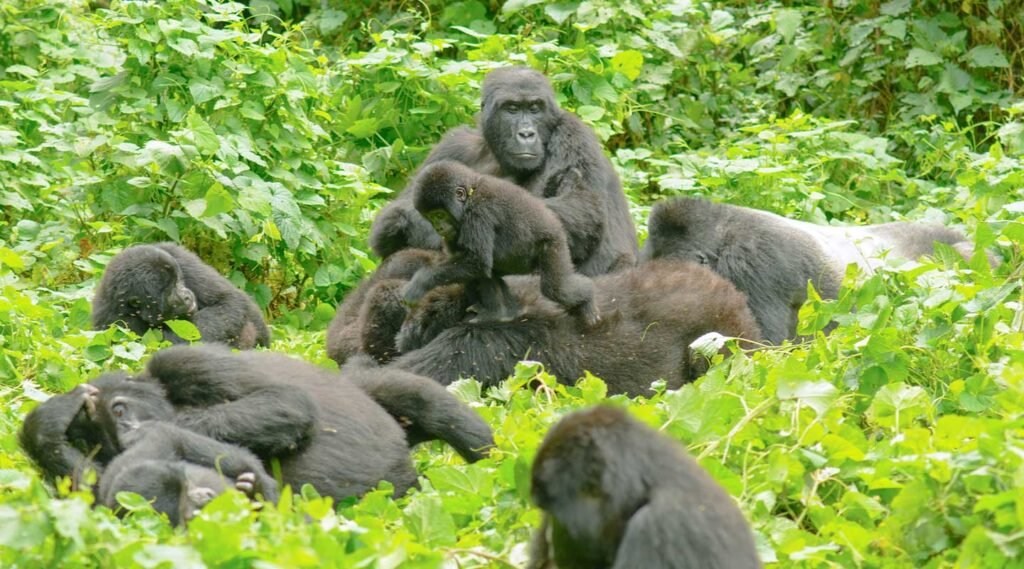
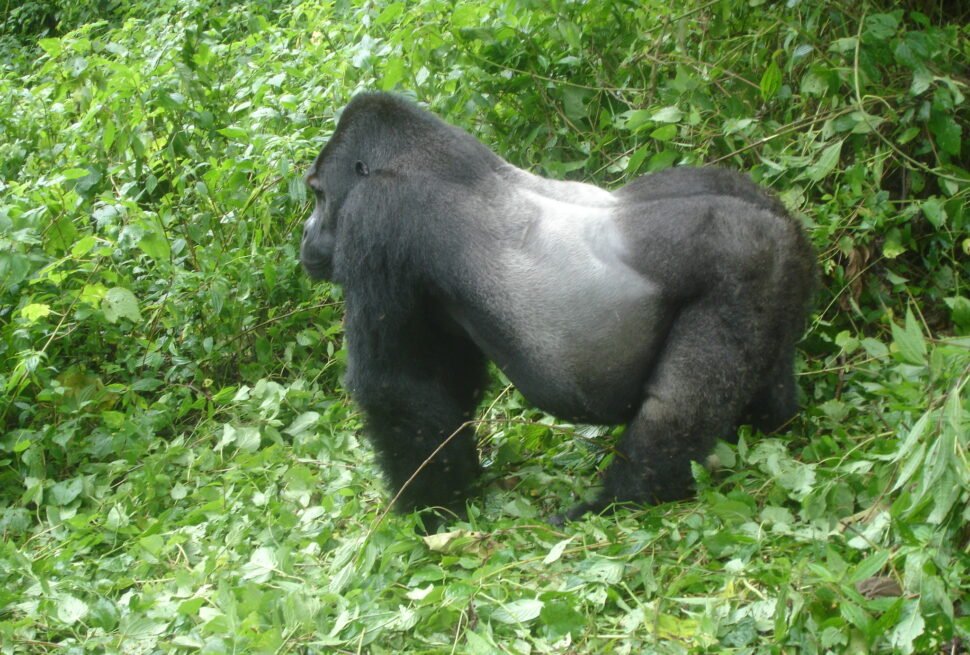
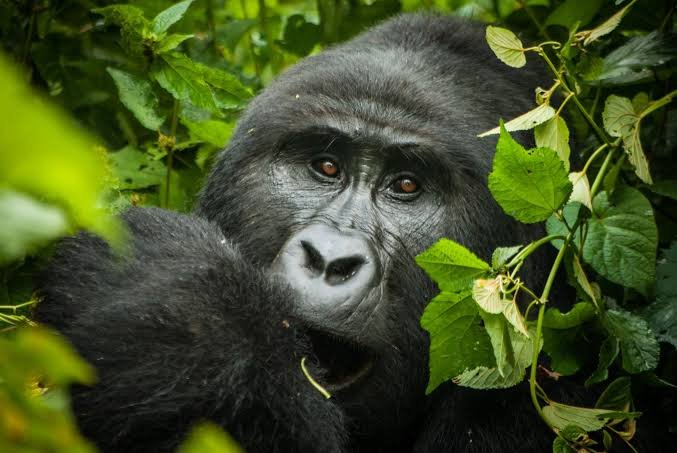
2. Whether gorillas are in the plan. Gorilla trekking is the single biggest scheduling constraint in an East African itinerary, for three reasons. The permit is date-specific. It is capped at eight visitors per gorilla family. And the trekking morning is fixed — an early briefing followed by an unpredictable walk. Availability is not guaranteed at short notice, so the permit date has to anchor the rest of the trip rather than fit around it. Any itinerary that includes gorillas needs enough days that a permit problem does not wreck the whole trip.
3. How much driving you tolerate. East Africa’s wildlife areas are not adjacent. The transfer between, say, Bwindi in south-west Uganda and the Masai Mara in south-west Kenya is a substantial journey, not a short hop. The number of areas a trip can cover is limited more by transit than by anything else.
A fourth factor that surprises travellers: the migration. If the wildebeest migration is a priority, the timing determines the country, and the country determines the route. A migration-focused trip may need to be built around a specific window rather than a specific length.
What 7 Days Actually Looks Like
Seven days is enough for a genuinely good safari in one country. It is not enough for two.
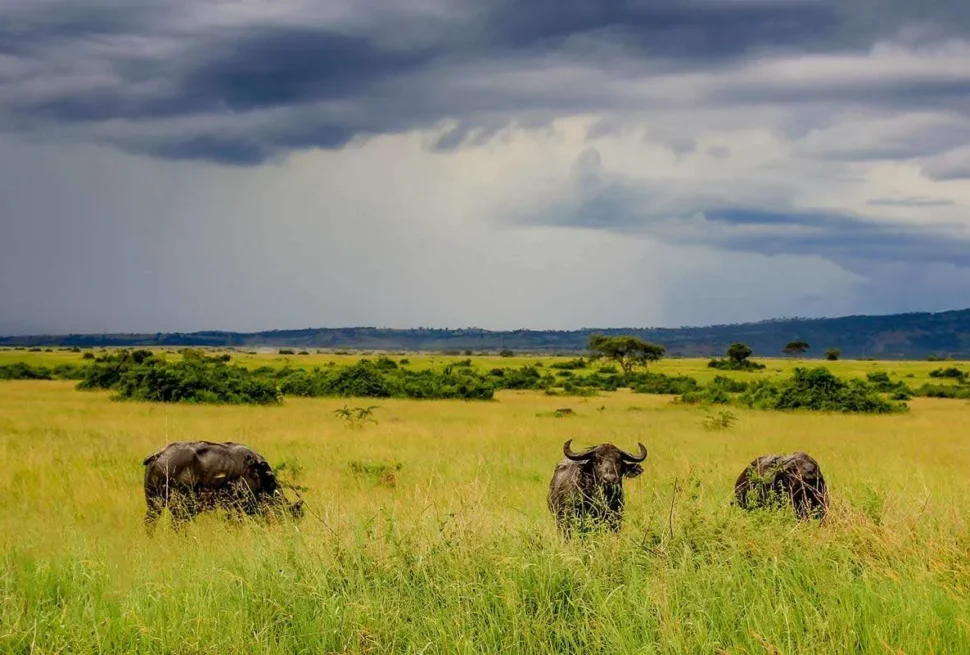
Uganda in 7 days: Two nights in Bwindi for gorillas, one night at Kibale for chimpanzees, two nights at Queen Elizabeth for savannah, plus travel days. Tight but workable. The permit price is from $800, reduced to $600 in April, May and November.
Rwanda in 7 days: Two nights near Volcanoes National Park for gorillas and golden monkeys, two nights at Akagera for savannah, one night in Kigali, plus travel days. The permit is from $1,500 with no low-season discount. The Rwanda safaris overview covers how the parks fit together.
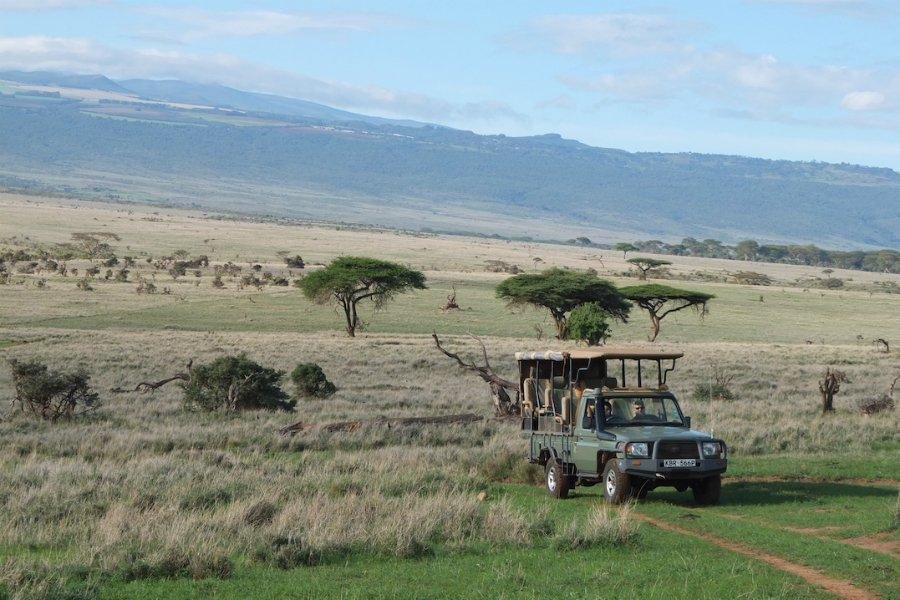
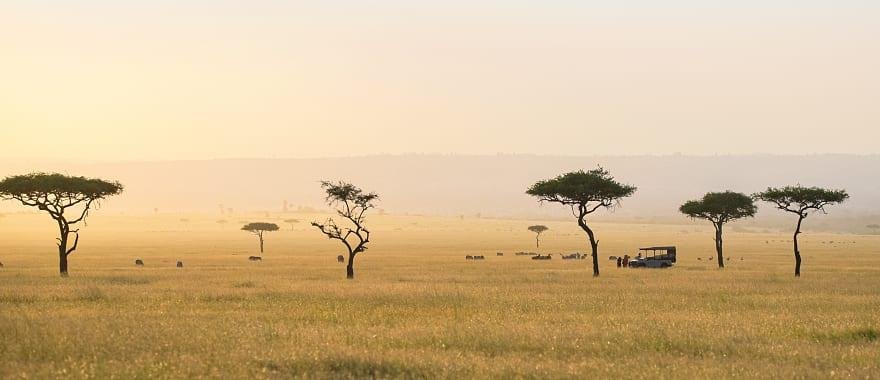
Kenya in 7 days: Two to three nights in the Masai Mara, two nights at Amboseli, plus Nairobi. The Kenya safaris page covers the parks. Gorillas are not available in Kenya.
Tanzania in 7 days: The northern circuit — Serengeti, Ngorongoro and Tarangire. Gorillas are not available in Tanzania; the country has chimpanzees and other primates, but no mountain gorillas.
The honest verdict on seven days: it is enough for one country, one focus, and very little slack. If a flight is delayed or a permit date is not what you hoped, there is no time to recover. It suits travellers with limited leave, not travellers who want margin.
What 10 Days Actually Looks Like
Ten days is the sweet spot for most travellers, and it is where a trip begins to feel unhurried.
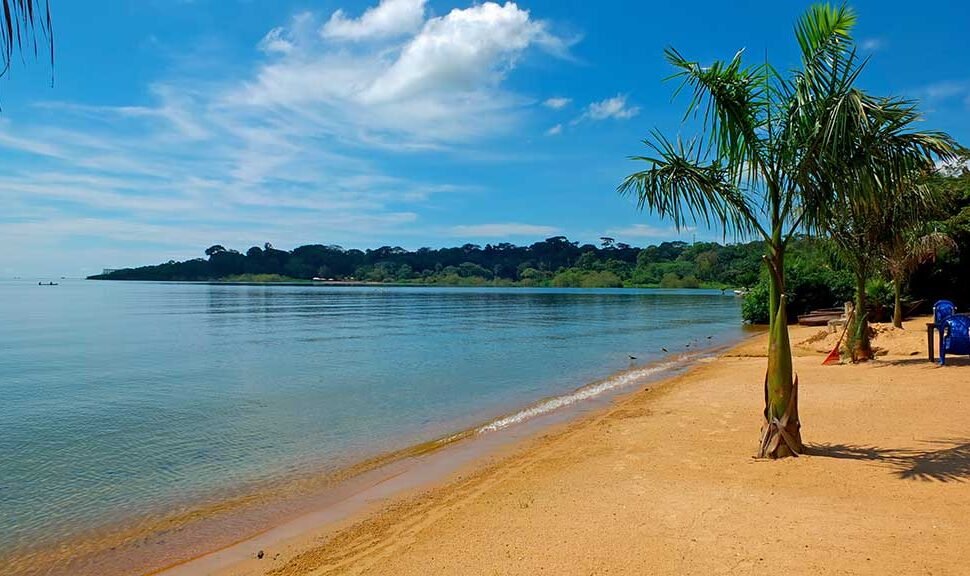
Uganda in 10 days: Gorillas, chimpanzees, two savannah parks, and a stop at Lake Bunyonyi or Jinja. No need to rush between areas, and a spare day to absorb a delay. The Uganda safari packages page covers the shapes this takes.
Rwanda plus Uganda in 10 days: Gorillas in one country, chimpanzees in the other, with savannah from either side. This is where multi-country starts to work, because there is enough time for the border crossing not to consume the trip. The Uganda and Rwanda combined gorilla tours page covers the routes.
Kenya plus Uganda in 10 days: Masai Mara for savannah and Bwindi for gorillas. This is the most efficient multi-country combination for travellers who want both the classic safari and the primate experience, because the flight between Nairobi and Entebbe is short.
Ten days gives enough margin for a permit date to slip by a day without cascading, and enough time in each place to see it properly rather than ticking it off. It is the length most returning safari travellers choose on their second trip, after learning from the compromises of a seven-day version.
What 14 Days Actually Looks Like
Fourteen days is the point where a trip can be genuinely comprehensive rather than representative.
Three-country combination: Uganda (gorillas, chimpanzees), Rwanda (gorillas on a different family, or Akagera for savannah), Kenya (Masai Mara). This covers the most significant wildlife areas in the region without feeling rushed. It is also the shape that reveals the permit cost gap most sharply — Uganda at from $800 and Rwanda at from $1,500 per permit, per person, is a $700 difference that doubles for a couple.
Two-country deep version: Kenya and Tanzania combined, covering the Mara, the Serengeti, Ngorongoro and a coastal extension. No gorillas, but the strongest savannah itinerary available in East Africa. Note that Tanzania is not covered by the East African Tourist Visa, so this combination requires a separate Tanzanian visa — a detail worth building into planning rather than discovering at the border.
One-country full version: Uganda alone, covering gorillas, chimpanzees, Rwenzori, Murchison Falls, Lake Mburo and Kidepo. This is more wildlife variety than most travellers realise Uganda holds, and it works best with internal flights rather than an unbroken road circuit.
Two weeks is enough to include a genuine rest day in the middle — a lake, a lodge, a market — without it feeling like a wasted day of safari. That rest day is often what travellers remember most, and it is the first thing sacrificed in a seven-day trip.
What 21 Days Actually Looks Like
Three weeks is the length where the whole region becomes feasible, and it is also where the planning risk goes up.
A three-week trip might combine Uganda, Rwanda, Kenya and Tanzania in one circuit, or focus on three countries and go deeper. The first is more impressive on paper; the second usually makes for a better trip.
Two practical cautions. First, a 21-day trip crosses more borders, which means more visas, more flights and more opportunities for delay. The East African Tourist Visa covers Uganda, Kenya and Rwanda for 90 days multi-entry, but not Tanzania. Second, wildlife fatigue is real. After three weeks of game drives, even exceptional sightings start to blur. A trip this long benefits from varied activity types — trekking, boating, walking, cultural visits — not just more drives.
Three weeks suits travellers on sabbatical, photographers, retirees, and anyone who may not return to East Africa. It is not the right choice for a first safari trip, because the lesson it teaches — that this much safari can be tiring — is expensive to learn.
The Gorilla Constraint, in Plain Numbers
For most multi-country itineraries, gorillas are the deciding factor on length, so it is worth understanding the arithmetic.
| Element | Where | What it means for trip length | Price (per person) |
|---|---|---|---|
| Gorilla trekking permit — Uganda | Bwindi Impenetrable NP and Mgahinga Gorilla NP | From $800; from $600 in April, May and November | From $800 (From $600 in April, May and November) |
| Gorilla habituation experience — Uganda | Rushaga sector, Bwindi only | Four hours with a semi-habituated family; consumes a full day | From $1,500 |
| Gorilla trekking permit — Rwanda | Volcanoes National Park | No low-season discount, in any month | From $1,500 |
| Uganda e-visa | Applied for at visas.immigration.go.ug | One application | $50 |
| Rwanda e-visa | Applied for at irembo.gov.rw | One application | $50 single entry / $70 multiple entry |
| Kenya eTA | Applied for at etakenya.go.ke | One application | from $30 |
| East African Tourist Visa | Uganda + Kenya + Rwanda | Covers 90 days multi-entry across three countries; does not cover Tanzania | $100 |
| Accommodation, transfers, park fees | All countries | Adds up per night, per park | Confirm current rates when booking |
The permit figures are verified. What is not verified is what those permits cost in the context of a whole trip — because accommodation, transfers, park fees and flight costs vary enormously by property, season and country. The honest position is that a 10-day Uganda trip and a 10-day Rwanda trip can share the same permit structure and differ by several thousand dollars per person on the variable side.
Permit prices and visa fees are set by the respective authorities and revised periodically — verify current rates before travel. Official sources are the Uganda Wildlife Authority, the Rwanda Development Board and the Kenya Wildlife Service for park and permit information.
One clarification worth repeating: the Uganda–Russia visa waiver announced in October 2026 covers diplomatic and service passports only. It does not apply to ordinary tourist passports and has not yet entered into force.
Where Travellers Get the Length Wrong
Three patterns account for most over- and under-length trips.
Too many countries, too few days. The most common mistake. A 10-day trip that includes Uganda, Rwanda and Kenya sounds impressive and produces a lot of driving and very little wildlife watching. Two countries maximum in ten days, three in fourteen, four only if there are three weeks.
Not enough margin around the gorilla permit. Permits are date-specific and availability is not guaranteed at short notice. A trip where the trek falls on day 2 of a 7-day itinerary has no room for a delay. Building the trek into the middle of the trip, with travel days on either side, is the safer structure. The permit booking guide covers this in more detail.
Counting days wrongly. An 8-day trip advertised as 8 days often includes two international travel days, leaving 6 in the country. Advertised trip lengths and usable safari days are not the same number. Ask specifically how many nights are spent in each park, not how many days the trip lasts in total.
When to Go, and How It Interacts with Length
Season affects both availability and what a given length can deliver. Broadly, the region’s drier windows — roughly December to February and June to September — give firmer trails and better game viewing, and are also when permits and lodges fill first.
Uganda’s low-season gorilla permit reduction in April, May and November is the only genuine seasonal discount in the region’s gorilla pricing. Those months are wetter but the permit drops from $800 to $600, which can meaningfully change what a given budget buys — and, in turn, the length of trip that budget allows. Rwanda has no equivalent discount.
Confirm current seasonal conditions and availability before committing to a length, since weather patterns vary year to year.
Frequently Asked Questions
Is 7 days enough for an East Africa safari?
For one country, yes. For two countries, no. Seven days in Uganda, Rwanda, Kenya or Tanzania on its own is enough for a genuine safari; a seven-day multi-country trip is mostly transit.
How many days for east africa safari?
Ten to twelve is the realistic minimum. That allows three to four nights in the gorilla area, two to three in a savannah park, and travel days without rushing. Seven days is possible if the trip is one country only.
Can you combine multiple East African countries in two weeks?
Yes — two countries comfortably, or three if the routes are efficient. Four countries in fourteen days produces too much transit and too little watching.
How many days should I spend in Uganda?
Seven for a focused gorilla and chimpanzee trip, ten to include savannah parks, fourteen for a comprehensive Uganda circuit. Uganda rewards longer trips than many travellers expect.
How many days should I spend in Rwanda?
Four to five nights covers gorillas and Akagera; seven allows Nyungwe Forest as well. Rwanda is compact, and most travellers need fewer days there than in Uganda or Kenya.
Should I do one country deeply or several briefly?
One country deeply, almost always. Multi-country trips work when each country gets at least four to five nights. Below that, the border crossings consume the trip.
Is 21 days too long for one safari trip?
No, if the activity types are varied — trekking, boating, walking, cultural visits alongside the game drives. Three weeks of back-to-back game drives does produce fatigue, and it benefits from a rest day in the middle.
Does the East African Tourist Visa affect trip length planning?
It affects route planning rather than length. The EATV covers Uganda, Kenya and Rwanda for 90 days multi-entry, but not Tanzania. A trip that includes Tanzania needs separate arrangements for that leg. The Uganda visa requirements guide covers the arithmetic.
How to Book
Decide the trip length using the framework above, then anchor it to the permit date — the permit is the only element that cannot be rearranged at short notice, and it is what decides whether a gorilla-inclusive trip happens at all. Afraeka Adventures is a licensed Ugandan operator based in Entebbe and Kampala, running safaris and primate trekking in Uganda, Rwanda, Kenya and Tanzania since 2018.
Contact Afraeka Adventures at info@afraekaadventures.com or use the enquiry form on our website with your available dates, group size and what you most want to see. Useful starting points:
- East Africa multi-country safaris — combined routes across the region
- Uganda safari packages — one-country itineraries
- Rwanda safaris — gorillas and Akagera
- Kenya safaris — Masai Mara, Amboseli and the Great Migration
- Uganda gorilla trekking — the trekking product explained
- Rwanda gorilla trekking — the Rwandan product
- All tour packages
- Enquiry form