Rwanda gorilla trekking for seniors is entirely achievable — thousands of travellers over 60 trek in Volcanoes National Park every year, and many of them describe it as the highlight of a lifetime of travel. It is also genuinely demanding, and the honest position is that the deciding factor is not age but fitness, health and preparation. A fit 70-year-old usually finds the trek easier than an unfit 50-year-old.
This guide is written for travellers in their sixties, seventies and beyond who are weighing whether the trek is realistic, and for the family members helping them plan. It covers what the trek physically demands, how the park assesses fitness, the medical preparation that matters, the practical adaptations that make the day easier, and what the alternatives are if the trek turns out not to be suitable. It does not give medical advice — that comes from a doctor — but it does try to be honest rather than either discouraging or falsely reassuring.
The Short Answer: Fitness, Not Age
The only age rule in gorilla trekking is a minimum: 15 years, without exception. There is no published upper age limit, and the park does not exclude trekkers on age grounds. What the park does assess is fitness and mobility, because those determine how the day goes — for the trekker and for the group.
That framing matters. Age is a rough proxy for fitness, but a poor one. The trek rewards cardiovascular fitness, balance and the ability to walk on uneven ground for an unpredictable number of hours. Some 65-year-olds have all three; some 45-year-olds do not. The useful question is not “am I too old?” but “can I walk at altitude on forest terrain for several hours, and recover afterwards?”
If the honest answer to that is yes, the trek is likely to be manageable. If it is “probably, with support,” the practical adaptations below make it much more achievable. If it is “no,” the alternatives at the end of this article are genuinely worth considering rather than treating as consolation prizes.
What the Trek Physically Demands
Setting expectations accurately is the single most useful thing this article can do. The trek is not a gentle nature walk, and the marketing imagery of trekkers standing calmly near gorillas does not show the walk in.
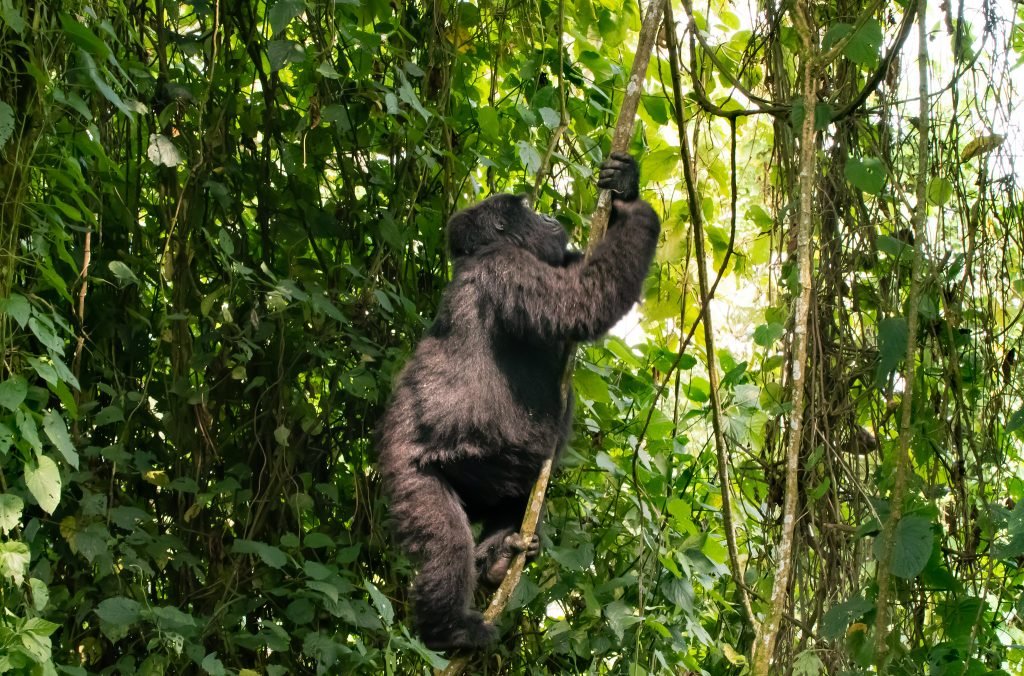
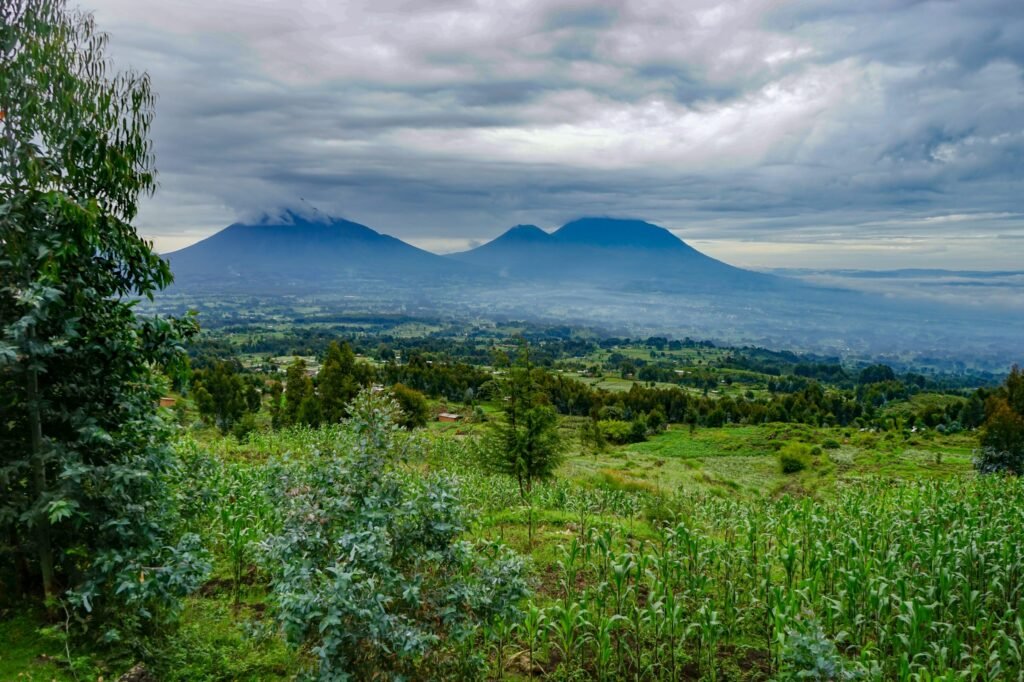
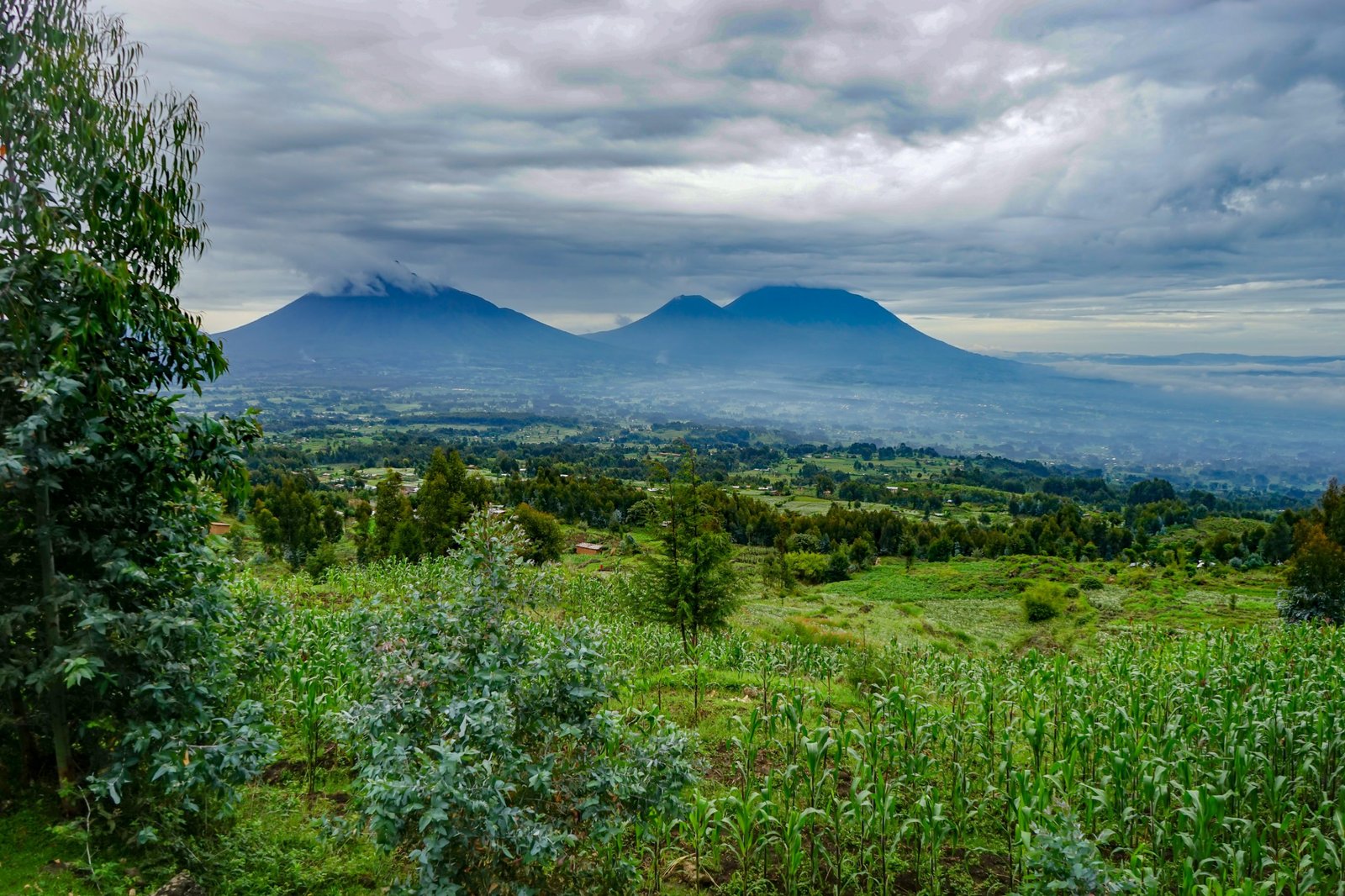
Altitude. Volcanoes National Park sits high in the Virunga mountains, and the trekking routes climb higher still. Travellers arriving from sea level notice the altitude quickly — it makes the same walk feel harder than it would at home, and breathlessness comes on sooner. This is the factor most often underestimated by visitors from lowland countries.
Terrain. The forest paths are steep, uneven, often muddy, and frequently leave the established trail entirely as trackers follow the gorillas through vegetation. There are roots, rocks and fallen timber underfoot. Balance matters as much as stamina.
Duration. The walk to the gorillas is unpredictable. It can take under an hour; it can take several hours, depending on where the family has moved overnight. Once the family is located, trekkers spend one hour with the gorillas, then walk back. The total day is not a fixed length, and that uncertainty is part of what makes the trek harder to plan for than a fixed-distance walk.
Cold mornings. Briefings happen before dawn at altitude, and the forest is cold and often wet. Warm layers, waterproofs and gloves are not optional for older trekkers.
Early starts. The day begins with a very early departure from accommodation to reach park headquarters in time for the briefing. For travellers who sleep poorly or take time to get moving in the morning, this is worth factoring in rather than treating as a detail.
How Rwanda Assesses Fitness
Volcanoes National Park does not simply allocate trekkers to families at random. The morning briefing includes an assessment of fitness, and groups are matched to families whose ranging area suits their ability. This is not a formal examination — it is a conversation between the guides and the trekkers — but it is a real part of the process and it works best when trekkers are honest.
The practical implication is important: say what you can actually do. Travellers who overstate their fitness in the hope of a “better” family often end up on a harder trek than they can comfortably manage, and the day becomes a struggle rather than a pleasure. Travellers who describe their ability accurately are usually allocated a more suitable route and often enjoy the day more, even if the family is in easier terrain.
The park also offers adaptations for trekkers who need them — porters, and in some cases a sedan chair service where trekkers are carried on a litter through the forest. Availability, cost and arrangement requirements vary and should be confirmed with the operator at the time of booking rather than assumed. The Rwanda gorilla trekking guide covers the trek day itself in more detail.
Medical Preparation
This section is general guidance only, and it exists to prompt a conversation with a doctor rather than to substitute for one. Anyone with a heart condition, a lung condition, uncontrolled blood pressure, recent surgery, or significant mobility limitation should discuss the trek with a medical professional before booking.
The specific concerns worth raising with a doctor:
- Altitude. Volcanoes National Park is high, and the trek climbs higher. Travellers with heart or respiratory conditions need a doctor’s view on whether this is safe.
- Cardiovascular fitness. The trek is sustained exercise at altitude, not a stroll. If you have any doubt about your heart’s response to exertion, get it checked before booking.
- Balance and mobility. The terrain is uneven and sometimes steep. Conditions affecting balance, joints or mobility should be discussed in advance so that adaptations can be arranged.
- Medication. Bring enough of any regular medication for the whole trip, in original packaging with a copy of the prescription. Pharmacies near the parks are limited.
- Malaria prophylaxis. Rwanda is a malaria-risk country and most travellers are advised to take antimalarial medication. The choice of drug depends on your health history, so this is a doctor’s decision rather than a general recommendation.
- Yellow fever. Requirements depend on where you are arriving from and current regulations. Confirm current requirements before travel with your travel health provider — rules change.
Travel insurance matters more for older travellers than any other single piece of preparation. It must cover medical evacuation — the parks are remote, and serious medical situations typically require transfer to Kigali or evacuation abroad. Confirm with your insurer that gorilla trekking and any other activities you plan are covered, since standard policies often exclude them.
Practical Adaptations That Make the Day Easier
Several simple adjustments reduce the physical demand of the trek substantially, and most experienced operators will arrange them without fuss if asked.
Hire a porter. This is the most valuable adjustment available. Porters carry bags, steady trekkers on steep ground, and assist through difficult sections. They cost little and they change the day from a strain into a manageable walk. For older trekkers, a porter is effectively a second pair of hands and a set of local eyes on the terrain.
Ask for a shorter route. When booking, tell the operator that a shorter route is preferred. The park can take this into account when allocating families, and a family ranging closer to the trailhead makes a real difference on the day.
Bring trekking poles. Poles help with balance on uneven and slippery ground. If you do not own a pair, they can often be hired locally — confirm with the operator in advance rather than on the morning.
Break in your boots before travelling. New boots on a mountain trek are a reliable source of blisters and discomfort. Wear them in for several weeks before departure.
Pack light. A small daypack with water, a waterproof, camera and any medication is enough. The porter carries the heavier items.
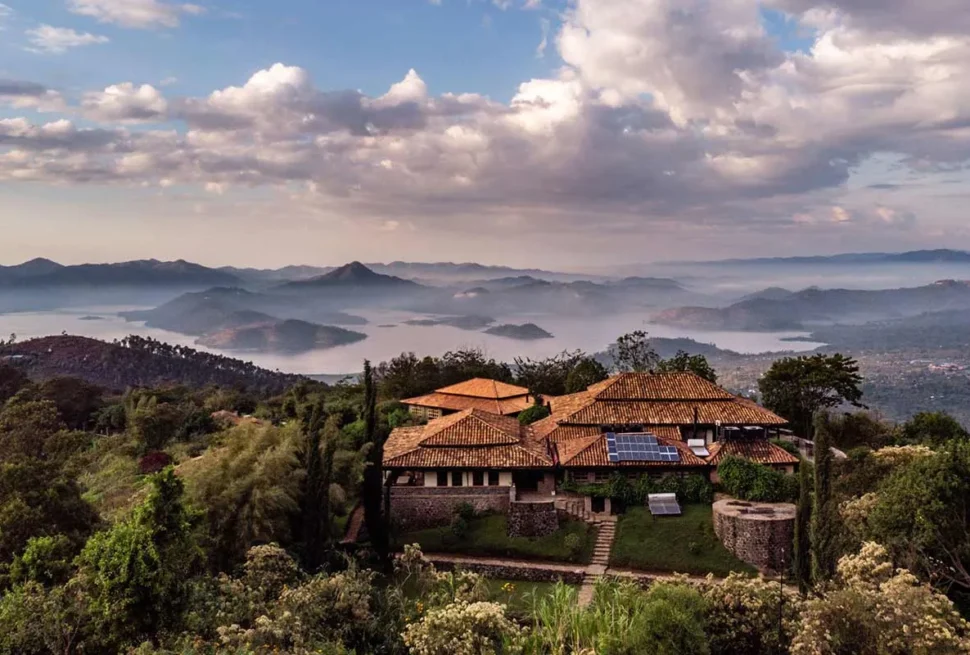
Build in an extra night. Two nights near Volcanoes National Park is the standard recommendation, and for older trekkers it is close to essential. The first night is for arrival and rest; the trek is the next morning; the second night is for recovery rather than rushing to the next stop.
Consider the timing of the trek within the trip. Trekking early in the trip, when energy and acclimatisation are freshest, is often easier than trekking at the end. If the itinerary includes other demanding activities, the gorilla trek is best positioned before them rather than after.
What If the Trek Isn’t Suitable?
Some travellers, after honest assessment, will decide that the trek is not the right choice. That is a legitimate decision, not a failure, and Rwanda offers a range of alternatives that do not require the same physical commitment.
Golden monkey trekking runs in the same park and is generally shorter and at lower altitude than the gorilla trek. It is not the same experience — golden monkeys are a different species and the encounter is busier rather than still — but it is a genuine wildlife encounter rather than a consolation. Confirm current age and fitness rules with the operator.
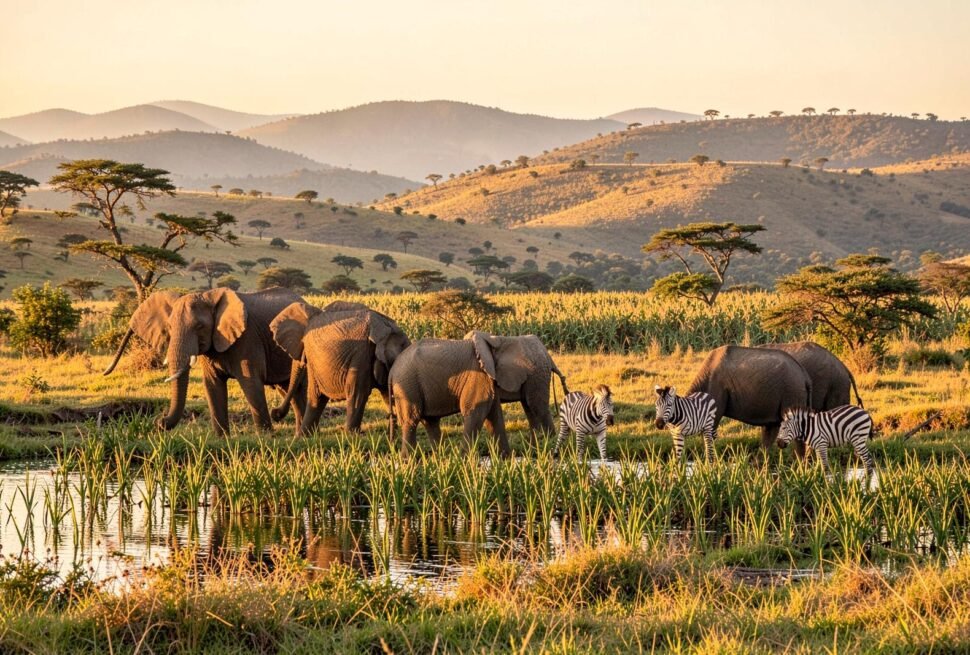
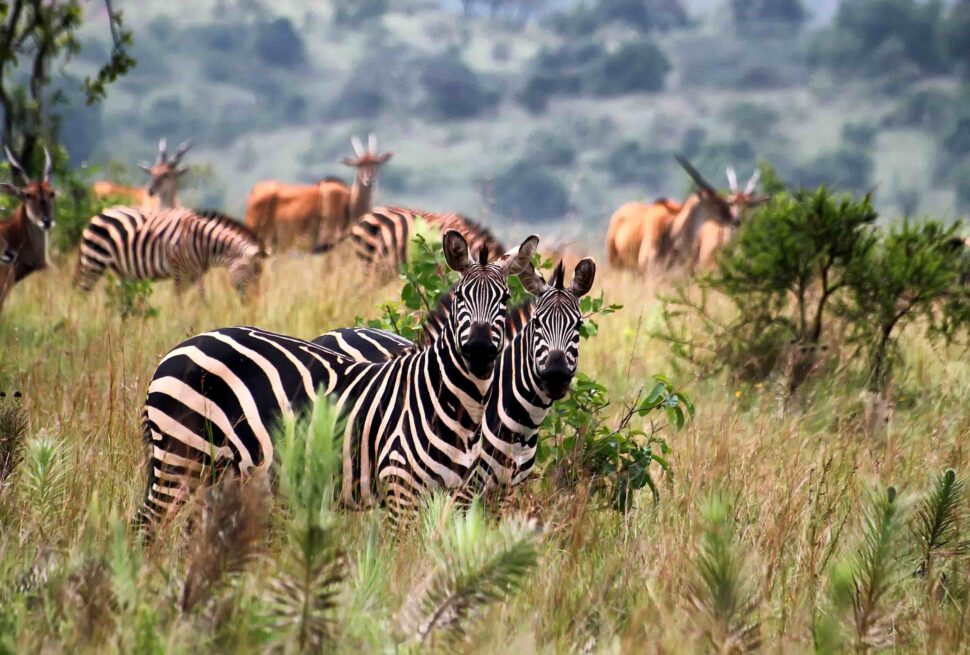
Akagera National Park offers savannah game drives, boat safaris on Lake Ihema, and birding. None of these require walking, and the vehicle-based format suits travellers with mobility limitations far better than a forest trek. The Akagera National Park safari guide covers what the park offers.
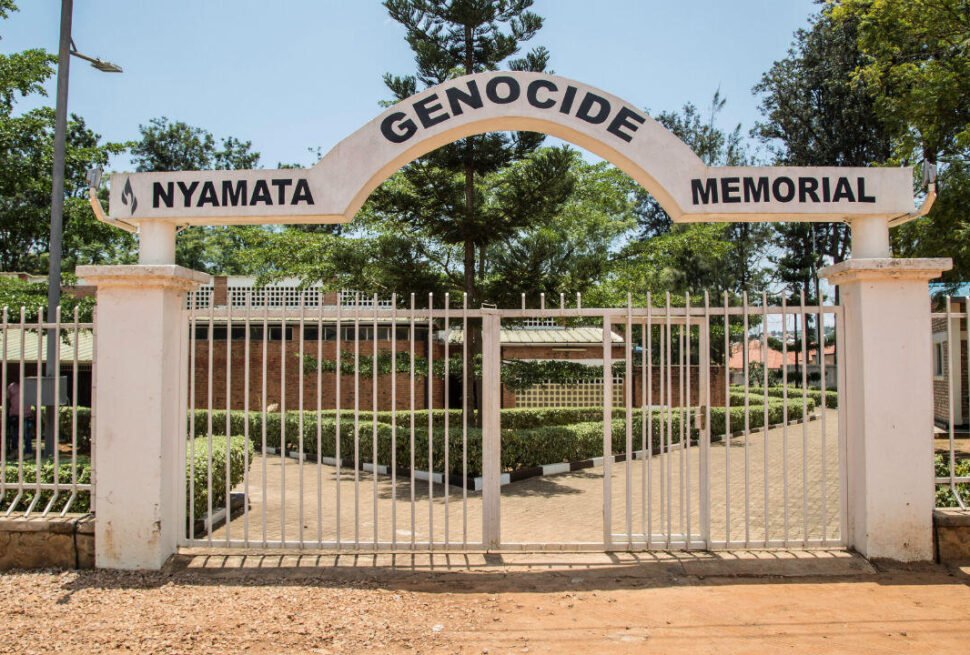
Kigali offers museums, markets and the Genocide Memorial, which many visitors find the most significant part of their Rwanda trip regardless of whether they trek.
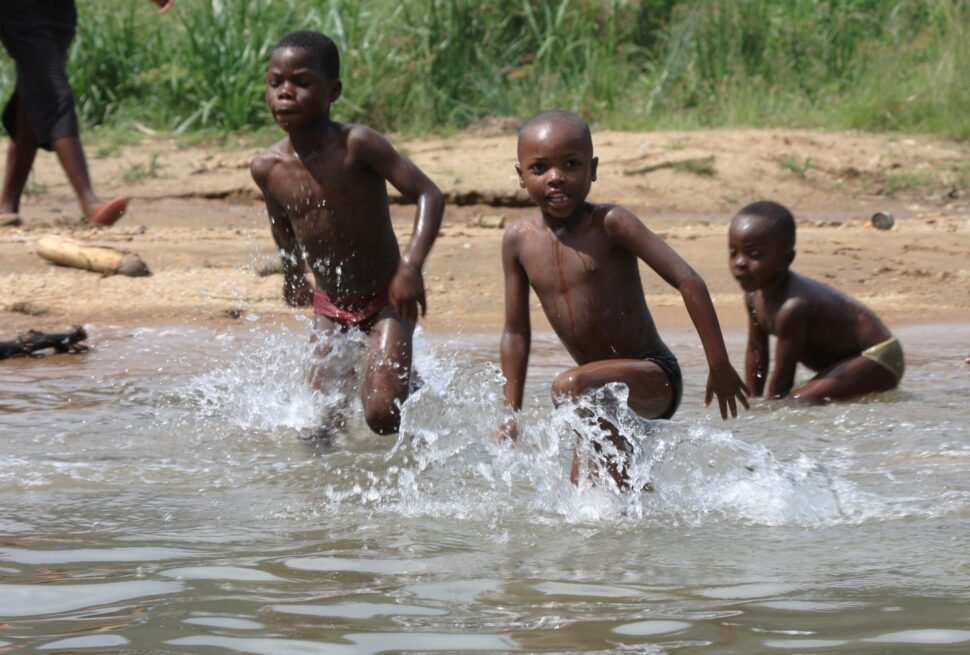
Community and cultural visits around Volcanoes National Park can be arranged through most lodges and involve walking but not trekking — worth asking about specifically.
For travellers travelling with a partner or family group where only some members trek, the standard arrangement is a split day: trekkers go to the forest, non-trekkers do something else with a guide, and everyone reconvenes in the afternoon. This preserves the trip for the whole group rather than dividing it.
What It Costs
The permit is the fixed cost and does not vary with age or fitness. Everything else is variable and depends on the standard of accommodation, the number of nights and how the trip is structured.
| Element | Where | Seniors note | Price (per person) |
|---|---|---|---|
| Gorilla trekking permit — Rwanda | Volcanoes National Park | Same price regardless of age; no low-season discount | From $1,500 |
| Gorilla trekking permit — Uganda (for comparison) | Bwindi Impenetrable NP and Mgahinga Gorilla NP | From $800 standard; from $600 in April, May and November | From $800 (From $600 in April, May and November) |
| Gorilla habituation experience — Uganda (for comparison) | Rushaga sector, Bwindi only | Four hours; more demanding than a standard trek | From $1,500 |
| Rwanda e-visa | Applied for at irembo.gov.rw | Fixed | $50 single entry / $70 multiple entry |
| East African Tourist Visa | Uganda + Kenya + Rwanda | Fixed; does not cover Tanzania | $100 (90 days, multi-entry) |
| Porter hire | Volcanoes National Park | Strongly recommended for older trekkers | Confirm current rate when booking |
| Travel insurance with medical evacuation | Varies by insurer | Essential; age affects premium | Confirm current rates with your insurer |
| Accommodation, transfers, park fees | All areas | Two nights near the park is recommended | Confirm current rates when booking |
The porter row is included deliberately. For a few dollars, a porter substantially reduces the physical strain of the trek and improves the day. It is the best value in the entire budget for older trekkers, and there is no reason to skip it.
The insurance row is also flagged for a reason: premiums rise with age, and some policies exclude trekking activities above certain altitudes or fitness levels. Reading the policy terms carefully before travelling is worth more than finding the cheapest quote.
Permit prices and visa fees are set by the respective authorities and revised periodically — verify current rates before travel. Official sources are the Rwanda Development Board for Rwanda and the Uganda Wildlife Authority for Uganda. The Uganda permit is relevant to comparison because its low-season rate of $600 is the only genuine discount in the region’s gorilla pricing.
One clarification worth repeating: the Uganda–Russia visa waiver announced in October 2026 covers diplomatic and service passports only. It does not apply to ordinary tourist passports and has not yet entered into force.
When to Go
Rwanda’s drier windows, broadly June to September and December to February, give firmer trails and easier trekking conditions. For older trekkers, firmer trails matter more than for younger ones — a muddy, slippery path is harder to manage at any age and considerably harder with joint or balance concerns.
The wetter months bring muddier trails, more rain, and thinner crowds. They do not bring a permit discount in Rwanda — the $1,500 price is the same in any month — so there is no financial reason to trek in the wet season unless availability is the constraint.
December and the New Year period are the tightest dates of the year, with July close behind. Availability is not guaranteed at short notice — book well in advance, particularly for the dry months. The permit booking guide explains why the permit date must be secured before anything else is booked.
Frequently Asked Questions
Rwanda gorilla trekking for seniors
Yes. There is no upper age limit, and thousands of travellers over 60 trek every year. What the park assesses is fitness and mobility, not age. Anyone with reasonable fitness and no medical contraindication can usually complete the trek with the right preparations.
How fit do you need to be for gorilla trekking?
Fit enough to walk at altitude on forest terrain for an unpredictable number of hours, on uneven and sometimes muddy ground. If you can do a hilly two to three hour walk at home, you are likely to manage. If in doubt, speak to a doctor and consider a fitness programme in the months before departure.
Is there an upper age limit for gorilla trekking?
The only age rule is a minimum of 15 years. No upper age limit is published, and trekkers are assessed on fitness and mobility rather than age. Confirm current requirements with the park at the time of booking.
What happens if I can’t walk the whole trek?
Porters can help, and in some cases a sedan chair service is available where trekkers are carried on a litter. Availability and cost vary, so confirm with the operator at the time of booking rather than assuming. The park’s fitness assessment at the morning briefing also affects which family you are allocated to, so be honest about your ability.
How much does gorilla trekking in Rwanda cost for seniors?
The permit is from $1,500 per person, the same regardless of age. Porter hire, insurance and accommodation are additional. Travel insurance premiums rise with age, and it is worth confirming that your policy covers trekking activity.
Is the trek too much for someone with bad knees?
This depends on the severity of the condition and should be discussed with a doctor. Trekking poles, a porter and a family allocated to easier terrain make a substantial difference. If knee problems are significant, discussing a sedan chair option in advance with the operator is worth doing.
Can I do gorilla trekking with a heart condition?
This is a doctor’s decision, not an operator’s. Altitude and exertion both affect the heart, and trekkers with any cardiac condition should have the trek specifically assessed by a medical professional before booking.
What if my partner can’t trek but I can?
The standard arrangement is a split day: the trekking member joins the group, and the non-trekking member spends the day with a guide doing something else — a community visit, a lake, or a slower-paced activity. Everyone reconvenes afterwards. This is common and operators arrange it routinely.
How to Book
For older trekkers, the booking process is the same as for anyone else with two additions: secure the permit date first, and be honest about fitness and any medical considerations at the time of enquiry rather than at the park. Afraeka Adventures is a licensed Ugandan operator based in Entebbe and Kampala, running safaris and primate trekking in Uganda, Rwanda, Kenya and Tanzania since 2018.
Contact Afraeka Adventures at info@afraekaadventures.com or use the enquiry form on our website with your dates, group size, and any fitness or mobility information that would help the trip to be planned appropriately. Useful starting points:
- Rwanda gorilla trekking — the trekking day explained
- Rwanda gorilla trekking permit booking — securing the permit date
- Rwanda gorilla trekking accommodation — where to base yourself
- Gorilla trekking age limit — the 15-year minimum and family groups
- Rwanda safaris — the wider picture
- Akagera National Park safari — the non-trekking alternative
- All tour packages
- Enquiry form