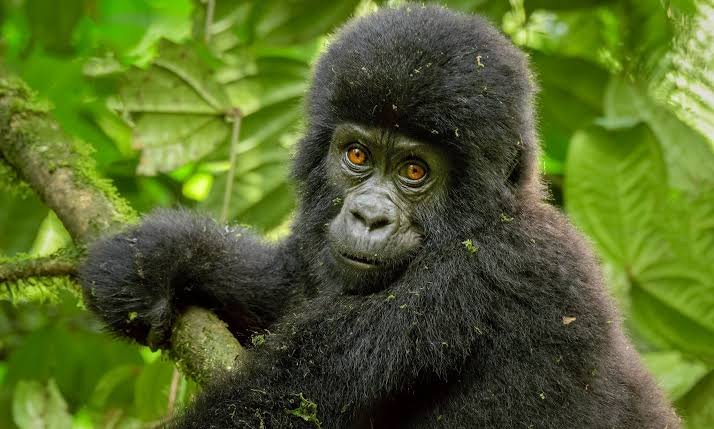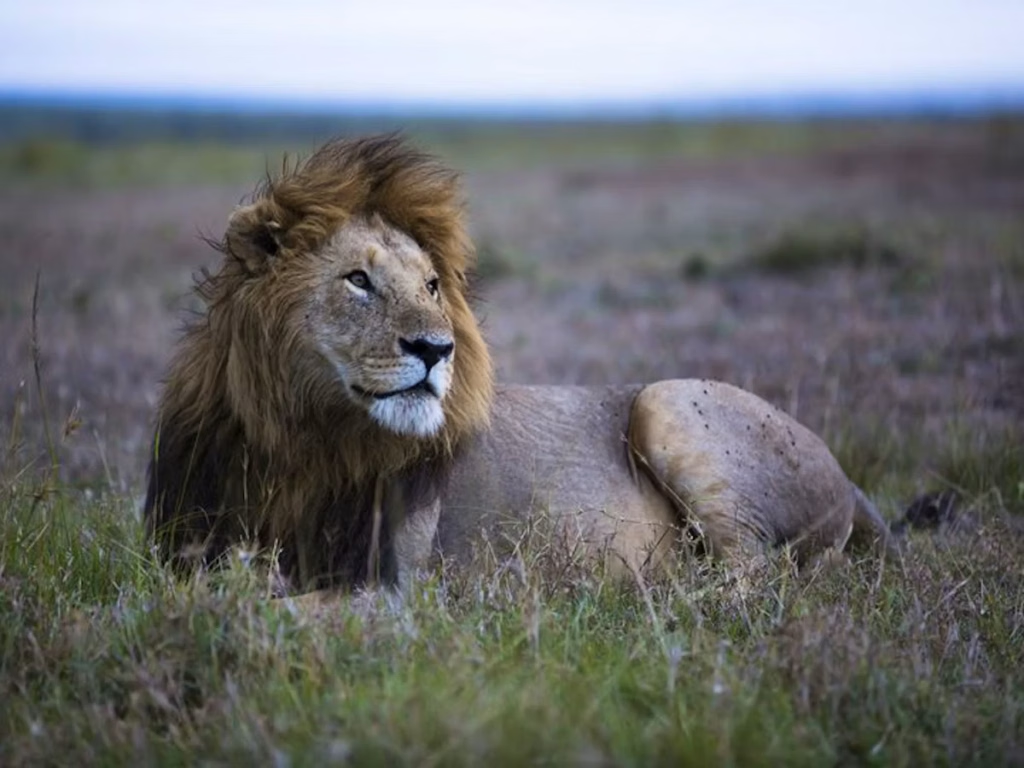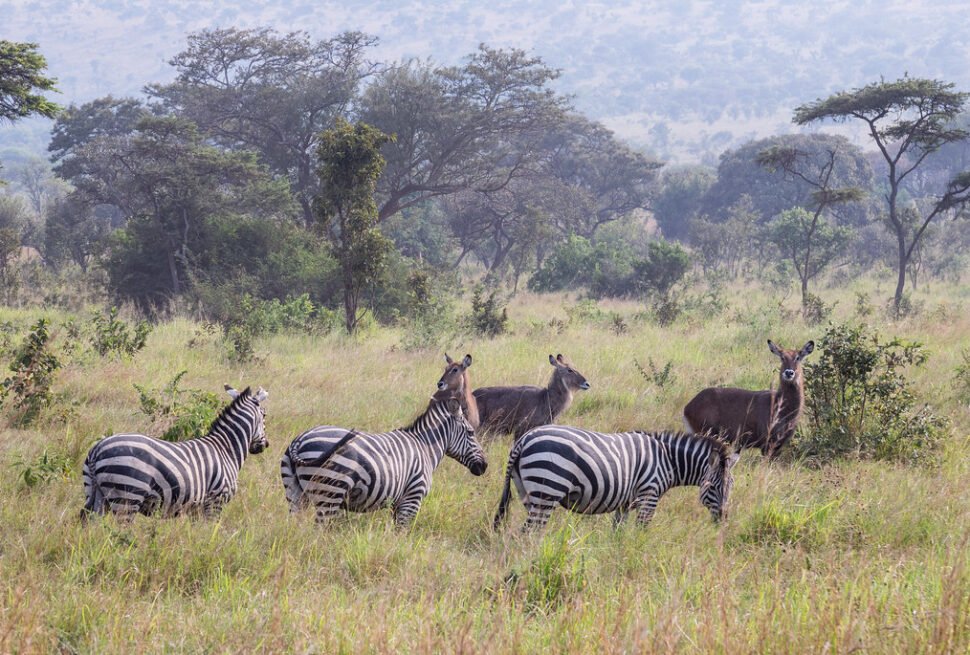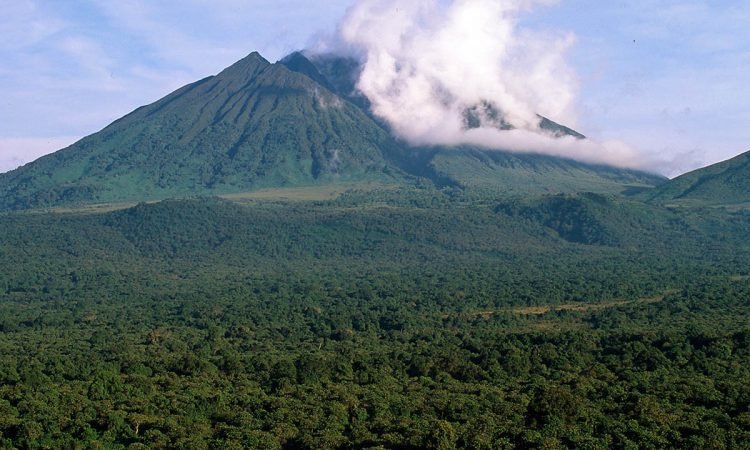
A Rwanda vs Kenya safari is not a comparison between two versions of the same trip. The two countries offer different wildlife, different landscapes and different trip styles. Rwanda is small, compact and primate-focused, with mountain gorillas in Volcanoes National Park and savannah game in Akagera. Kenya is large, savannah-led and classic-safari territory, with the Masai Mara, Amboseli and the annual migration. Gorillas are in one of them and not the other, which is the single fact that decides most trips before anything else is considered.
This guide sets out the honest comparison: what each country actually offers, where each wins, what the cost difference looks like, and the trip lengths and logistics that suit each. It is not a re-description of either country’s parks — the Rwanda safaris and Kenya safaris pages cover those. This is about choosing between them.
The Short Answer
Three questions decide it, and they matter in this order.
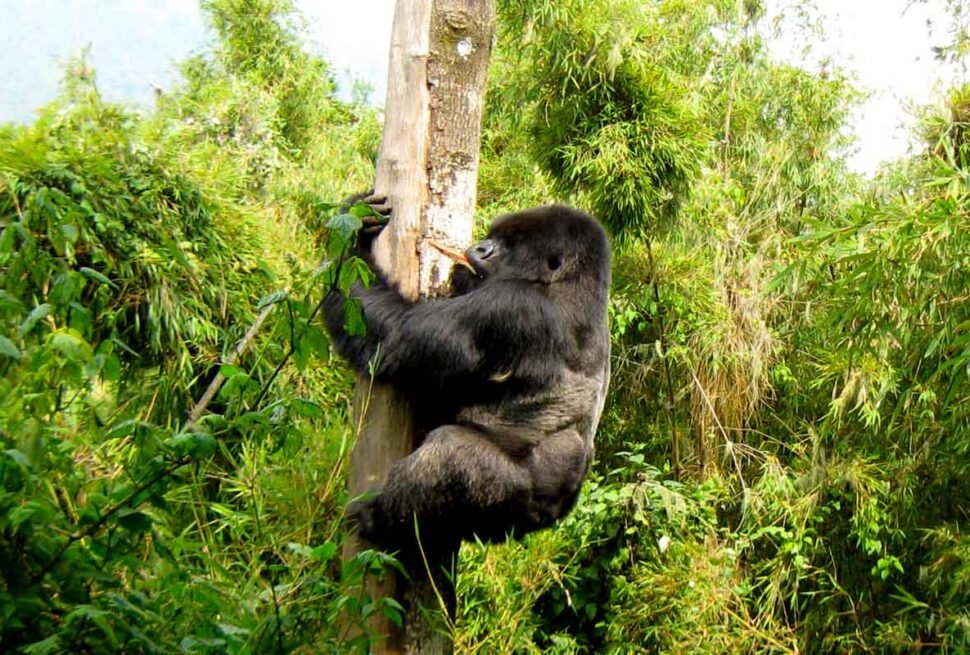
Do you want to see mountain gorillas? If yes, Rwanda. Gorillas are not found in Kenya at all — they exist only in Uganda, Rwanda and the Democratic Republic of Congo. Kenya has exceptional wildlife, but no mountain gorillas. This is not a matter of degree.
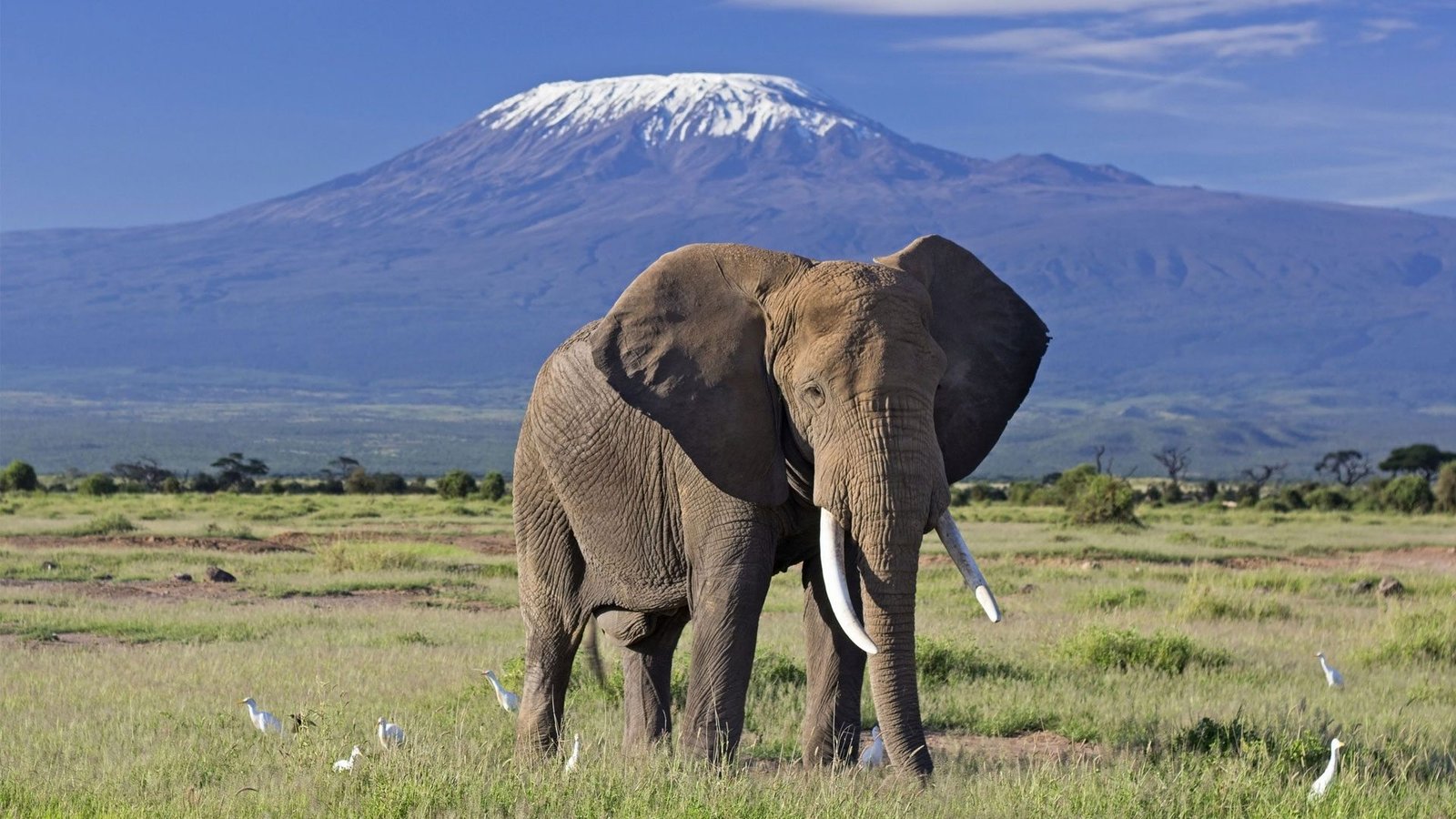
Do you want the classic savannah safari? If yes, Kenya. The Masai Mara is one of the most productive big-game areas in Africa, and Amboseli offers elephant viewing against Kilimanjaro. Rwanda has savannah at Akagera, and it is excellent, but it is not the Mara in scale or predator density.
How much time do you have? Under ten days, either country works on its own but combining them is tight. Ten days or more, a Rwanda-and-Kenya combination becomes genuinely viable — gorillas in one country and savannah in the other.
Everything else is secondary.
What Each Country Actually Offers
| Rwanda | Kenya | |
|---|---|---|
| Signature experience | Mountain gorilla trekking in Volcanoes National Park | Masai Mara game viewing, the Great Migration |
| Mountain gorillas | Yes — Volcanoes National Park only | No |
| Other primates | Golden monkeys (Volcanoes), chimpanzees and colobus (Nyungwe) | No mountain primates; some monkey species at lower densities |
| Savannah parks | Akagera National Park (elephant, buffalo, lion, rhino, giraffe, zebra) | Masai Mara, Amboseli, Tsavo, Laikipia conservancies |
| Landscape variety | Volcanic mountains, montane rainforest, savannah, lakes | Savannah, escarpment, coastal extension (Diani, Lamu) |
| Typical trip length | 4–7 days covers gorillas plus one other park | 7–10 days covers Mara plus Amboseli or the coast |
| Gateway airport | Kigali (KGL) | Nairobi (NBO) |
| Driving distances | Compact; shorter transfers between parks | Larger; significant road transfers or internal flights |
The pattern is clear. Rwanda is the country for primates and a compact multi-ecosystem trip. Kenya is the country for savannah and the classic safari experience at scale. Neither is a substitute for the other.
Gorillas: The Deciding Factor for Most Travellers
For most travellers weighing Rwanda against Kenya, gorillas are the reason the question arises. That makes the permit economics the first thing to understand.
Rwanda’s gorilla permit is from $1,500 per person and carries no low-season discount — it is the same in every month of the year. That is the highest gorilla permit in the region, and it is the single largest fixed cost of any Rwanda trip.
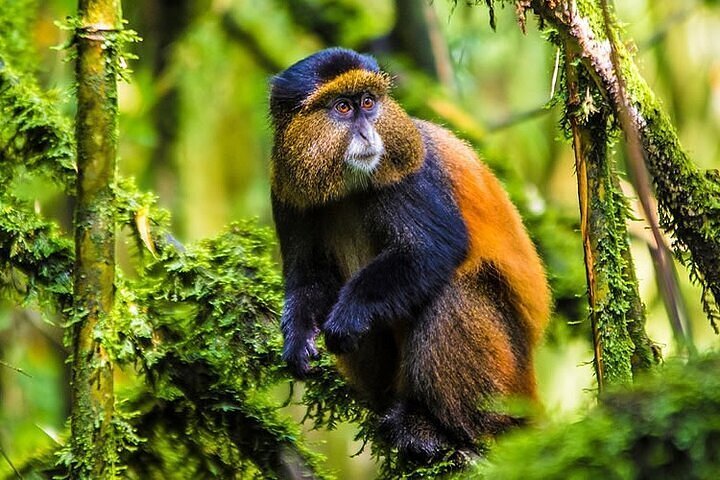
Rwanda also offers golden monkey trekking in Volcanoes National Park, which adds a second primate experience without a second park transfer. Golden monkey permits are set by the Rwanda Development Board and are separate from gorilla permits; confirm the current rate when booking. It is a genuinely different experience — smaller animals, faster movement, often above eye level — and it works well as the morning before or after the gorilla trek.
Rwanda’s trekking rules are fixed: minimum age 15, maximum eight visitors per gorilla family, one hour with the gorillas on a standard trek. Permits are date-specific and capped, and availability is not guaranteed at short notice.
For travellers who want gorillas but for whom Rwanda’s permit cost is prohibitive, Uganda is the alternative — its gorilla permit is from $800, reduced to $600 in April, May and November, and it offers a four-hour habituation experience at $1,500. The Uganda gorilla trekking guide covers that option. Uganda is not in the Rwanda-vs-Kenya comparison directly, but it is the natural third option for a traveller who has decided gorillas are the priority and is working out which country to trek in.
For Kenya specifically, the position is simple: gorillas are not available. Any trip that includes gorillas necessarily includes Rwanda or Uganda, not Kenya.
Savannah: Where Kenya Wins
On savannah, Kenya has the stronger hand, and it is worth being honest about the gap.
The Masai Mara is one of the most productive big-game areas in Africa. Lion, leopard, cheetah, elephant, buffalo and a wide range of antelope are all present and viewable, and the Mara sits within the wider Serengeti-Mara ecosystem through which the annual wildebeest migration moves. The Mara’s conservancy model — private and community conservancies adjacent to the national reserve — permits off-road driving, night drives and walking safaris that are restricted in the reserve itself.
Amboseli, in southern Kenya, offers elephant viewing at close range against a backdrop of Kilimanjaro. It is a different landscape from the Mara and pairs naturally with it in a Kenya itinerary.
Rwanda’s savannah park is Akagera National Park, in the east of the country. It is excellent and has been significantly restored over the last decade, with reintroduced lion and rhino populations on top of the resident elephant, buffalo, giraffe and zebra. It is a genuine savannah experience. But it is smaller than the Mara, its predator densities are lower, and it does not hold the scale of big-game viewing that Kenya’s top parks do.
The honest framing: if savannah is the priority, Kenya. If gorillas are the priority and savannah is a bonus, Rwanda’s Akagera is a genuinely good bonus rather than a consolation.
Trip Length and Logistics
The two countries reward different trip lengths, which matters for the decision.
Rwanda’s compactness is its main logistical advantage. Kigali is a short drive from Volcanoes National Park, and the main parks are within manageable transfer distances. A four-night Rwanda trip can cover gorillas and a second activity without rushing. A seven-night Rwanda trip can cover gorillas, Akagera and Nyungwe. This makes Rwanda particularly good for travellers adding a primate leg to a wider East Africa trip, or for short trips where every day matters.
Kenya’s scale requires more time. The Masai Mara is a substantial drive or a short flight from Nairobi, and Amboseli is in a different direction entirely. A 7–10 day Kenya trip is the realistic minimum to see the two headline parks properly. Adding the coast adds another 2–3 days. The Kenya vs Tanzania safari comparison is relevant if you are also considering Tanzania for savannah, but for the Rwanda-Kenya decision, the key point is that Kenya needs more days than Rwanda to deliver its best.
For combinations: ten days is the realistic minimum to combine Rwanda and Kenya. Gorillas in Rwanda and the Mara in Kenya is the most efficient shape — flight from Kigali to Nairobi, or Nairobi to Kigali, is short. This works better than combining Rwanda with Tanzania, because the Mara is closer to Rwanda than the Serengeti is. The East Africa multi-country safaris page covers wider combinations.
Rwanda vs Kenya Safari: What It Costs
The cost comparison is not straightforward, because Rwanda has a single fixed permit that dominates the budget while Kenya’s costs are more variable. The table separates the two.
| Element | Rwanda | Kenya | Price (per person) |
|---|---|---|---|
| Entry authorisation | e-visa at irembo.gov.rw | eTA at etakenya.go.ke | Rwanda: $50 single / $70 multiple. Kenya: from $30 |
| East African Tourist Visa | Covered | Covered | $100 (90 days, multi-entry, covers Uganda + Kenya + Rwanda; does not cover Tanzania) |
| Gorilla permit | From $1,500 (no low-season discount) | Not available | Rwanda: from $1,500 |
| Gorilla habituation experience | Not offered | Not available | — |
| Golden monkey permit | Volcanoes NP | Not applicable | Confirm current rate when booking |
| Park entry fees | Volcanoes, Akagera, Nyungwe | Masai Mara, Amboseli | Confirm current rates when booking |
| Accommodation | Wide range | Wide range | Confirm current rates when booking |
The most useful cost observation: Rwanda’s fixed permit is $1,500 per person before anything else is spent. Kenya has no equivalent fixed permit cost — its budget goes into park fees, accommodation and transport, and a Kenya trip can be done at a lower per-person fixed cost even before economy decisions. For a couple on a Rwanda trip, that is $3,000 in permits alone; on a Kenya trip, that same $3,000 would cover multiple nights at good lodges.
The counterpoint: Rwanda’s compactness means fewer nights are needed to see the highlights. A four-night Rwanda trip with a $1,500 permit may cost less in total than a seven-night Kenya trip with more lodges and more transfers, even though the permit feels expensive in isolation.
For travellers combining the two, the EATV at $100 is worth comparing against separate visas: Rwanda $50 + Kenya $30 = $80, so the EATV is more expensive for a straight two-country trip. It only earns its place when Uganda is added, or when multi-entry is needed. The Uganda visa requirements guide covers the full arithmetic.
Permit prices and visa fees are set by the respective authorities and revised periodically — verify current rates before travel. Official sources are the Rwanda Development Board for Rwanda and the Kenya Wildlife Service for Kenya.
One clarification worth repeating because it circulates widely: the Uganda–Russia visa waiver announced in October 2026 covers diplomatic and service passports only. It does not apply to ordinary tourist passports and has not yet entered into force.
When to Go
Rwanda and Kenya share broadly similar dry windows — roughly June to September and December to February — which makes a combined trip easier to schedule than a trip spanning more widely separated regions.
Rwanda’s primate trekking is possible year-round because the animals are resident and habituated. What changes with the season is trail conditions and permit availability. The dry months give firmer trails and thinner undergrowth; the wetter months bring muddier conditions, better permit availability and — importantly — no permit discount in Rwanda. Rwanda’s $1,500 permit is the same in every month.
Kenya’s savannah parks are more seasonal. The dry months give better game viewing because vegetation thins and animals concentrate around water. The migration’s timing is a separate consideration — if seeing the migration is the priority, timing determines the itinerary. Confirm current migration expectations with an operator who tracks it rather than relying on a general pattern.
For a combined trip, the two countries’ dry windows overlap reasonably well. July and August are strong for both, though they are also peak demand and require booking months ahead.
Frequently Asked Questions
Can you see gorillas in Kenya?
No. Mountain gorillas are found only in Uganda, Rwanda and the Democratic Republic of Congo. There is no gorilla trekking in Kenya. Any trip that includes gorillas must include Rwanda or Uganda.
Is Rwanda or Kenya better for a first safari?
Kenya is the more conventional first-safari choice — savannah, the Masai Mara, classic game drives. Rwanda is a better first safari if gorillas are the priority, or if you want a compact multi-ecosystem trip with primates, savannah and forest in a short time.
How do Rwanda and Kenya safari costs compare?
Rwanda has a fixed $1,500 gorilla permit that dominates the budget; Kenya has no equivalent fixed permit, with costs driven by park fees, accommodation and transport. A short Rwanda trip can cost less in total than a longer Kenya trip, despite the permit. Compare like for like and confirm current rates when booking.
Can you combine Rwanda and Kenya in one trip?
Yes, and it works well at 10 days or more. Gorillas in Rwanda and the Mara in Kenya is the most efficient combination, because the flight between Kigali and Nairobi is short. The EATV covers both countries but is only worth it if Uganda is also included.
Is Rwanda more expensive than Kenya?
Not necessarily in total. Rwanda’s permit is higher per person, but the compactness means fewer nights and fewer transfers. Kenya’s per-day costs can be higher for accommodation and internal flights. It depends on the specific trip.
Is Rwanda safe for tourists?
That depends on your nationality and itinerary, and the authoritative source is your own government’s travel advisory. The site’s Is Rwanda Safe for Tourists guide covers what a licensed operator can add on top of that advisory.
Which has better wildlife — Rwanda or Kenya?
Different wildlife, not better or worse. Rwanda wins on primates (gorillas, golden monkeys, chimpanzees) and on compact multi-ecosystem access. Kenya wins on savannah game and predator density, particularly in the Masai Mara. The right choice depends on which wildlife matters more to you.
How many days do you need for a Rwanda or Kenya safari?
Rwanda: 4–7 days for gorillas plus one or two other parks. Kenya: 7–10 days for the Mara plus Amboseli or the coast. Combined: 10 days or more. The site’s Uganda trip length guide and East Africa trip length guide cover the logic in more detail.
How to Book
Decide between gorillas (Rwanda) and savannah (Kenya) first, or commit to combining both if the time allows. Then secure the gorilla permit date first, since it is the constraint that determines the shape of any trip involving Rwanda. Afraeka Adventures is a licensed Ugandan operator based in Entebbe and Kampala, running safaris and primate trekking in Uganda, Rwanda, Kenya and Tanzania since 2018.
Contact Afraeka Adventures at info@afraekaadventures.com or use the enquiry form on our website with your dates, group size and which wildlife matters most to you. Useful starting points:
- Rwanda safaris — gorillas and Akagera
- Kenya safaris — Masai Mara, Amboseli and the Great Migration
- Rwanda gorilla trekking — the main Rwandan trekking product
- Kenya vs Tanzania safari — if you are also considering Tanzania
- East Africa multi-country safaris — combined routes across the region
- All tour packages
- Enquiry form